Colorectal cancer is now the second leading cause of cancer-related deaths in the United States, as reported by the American Cancer Society (ACS). Emerging research indicates a troubling trend: while rates of colorectal cancer have decreased among individuals aged 65 and older, they have surged among those under 50. In fact, according to the American College of Surgeons, individuals born in the 1990s are twice as likely to develop this form of cancer compared to those born in the 1950s. In light of these findings, the ACS revised its recommended age for colorectal cancer screening from 50 to 45 in 2018.
A recent study published in JAMA Oncology points to a possible dietary factor contributing to this alarming rise: a high intake of ultra-processed foods (UPFs). Researchers analyzed data from over 29,000 women and discovered that those consuming the most UPFs had a 45% increased risk of developing adenomas, a type of pre-cancerous polyp, compared to those with the lowest UPF consumption.
Understanding Ultra-Processed Foods and Their Risks
Dr. Andrew T. Chan, a gastroenterologist at the Mass General Brigham Cancer Institute and a professor at Harvard University, emphasized the alarming trend in the American diet. “More than 50% of calories consumed by Americans now come from ultra-processed foods, and that parallels the increases we are seeing in early-onset colorectal cancer,” he stated.
To conduct the study, Dr. Chan and his team examined 24 years of data from the Nurse’s II Study, focusing on 29,105 female nurses under the age of 50 who had no prior history of cancer (excluding nonmelanoma skin cancer) or colorectal polyps. Participants completed food-frequency questionnaires every four years and underwent two lower endoscopies before turning 50.
The findings revealed that, on average, these women consumed 5.7 servings of UPFs daily, accounting for 35% of their caloric intake. Those with the highest UPF consumption (approximately 10 servings per day) had a significantly higher chance—45%—of developing adenomas compared to those who consumed fewer UPFs (around three servings per day). Notably, no link was found between UPF intake and serrated lesions, another type of precancerous growth.
The Composition and Impact of Ultra-Processed Foods
Ultra-processed foods are defined by the NOVA food classification system, which categorizes foods based on their processing level. UPFs typically contain unnatural additives such as high fructose corn syrup, artificial flavors, and enhanced salt or sugar levels. According to the U.S. Food and Drug Administration (FDA), approximately 70% of the American food supply consists of these products.
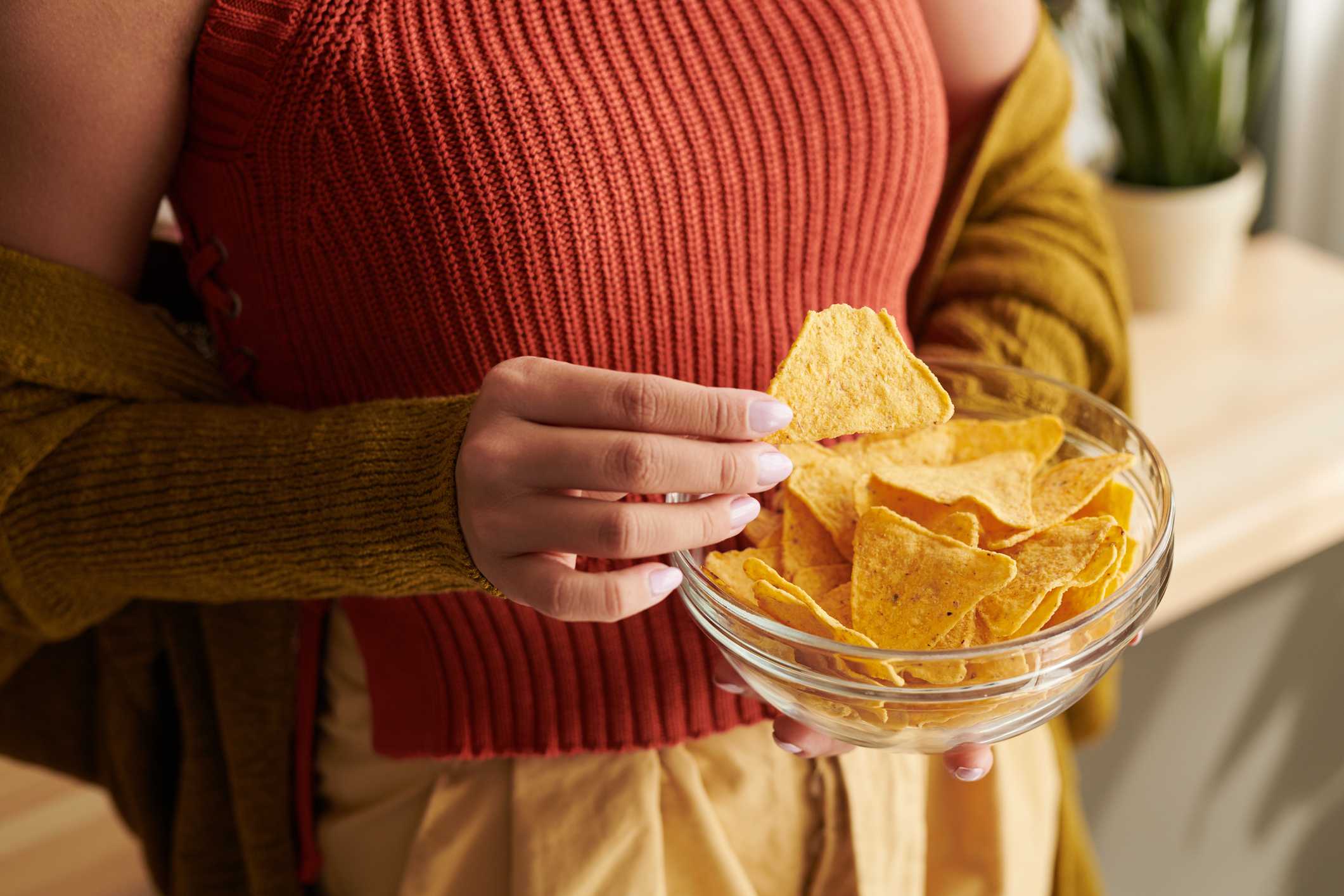
Dr. Chan describes UPFs as items designed for long shelf life and convenience. Common examples include packaged snacks, sugar-sweetened beverages, frozen meals, and certain sauces or condiments that may contain UPF ingredients.
The health implications of consuming these foods are significant. Dr. Chan noted that ultra-processed foods may contribute to chronic inflammation, metabolic syndrome (including diabetes), and obesity—all recognized risk factors for colorectal cancer. Furthermore, they can disrupt the balance of beneficial gut bacteria, potentially damaging the intestinal lining. A study published in Cancers supports this, suggesting that microbial imbalances may promote inflammation and interfere with normal cellular functions, leading to cancer.
While diet alone does not fully explain the increasing incidence of colorectal cancer in younger populations, it plays a crucial role. Dr. Chan urges individuals to consider dietary modifications as part of a broader approach to reducing cancer risk.
The takeaway for the public is clear: focusing on a diet rich in plant-based, fiber-filled foods—such as fruits, vegetables, legumes, nuts, and whole grains—while limiting or avoiding red and processed meats can be beneficial. Maintaining a healthy weight and regular physical activity are also essential components of cancer prevention. For those at average risk, the ACS recommends beginning colorectal cancer screenings at age 45.
As researchers continue to explore the connections between diet and health, this study underscores the importance of considering what we eat as part of a proactive approach to reducing cancer risks.