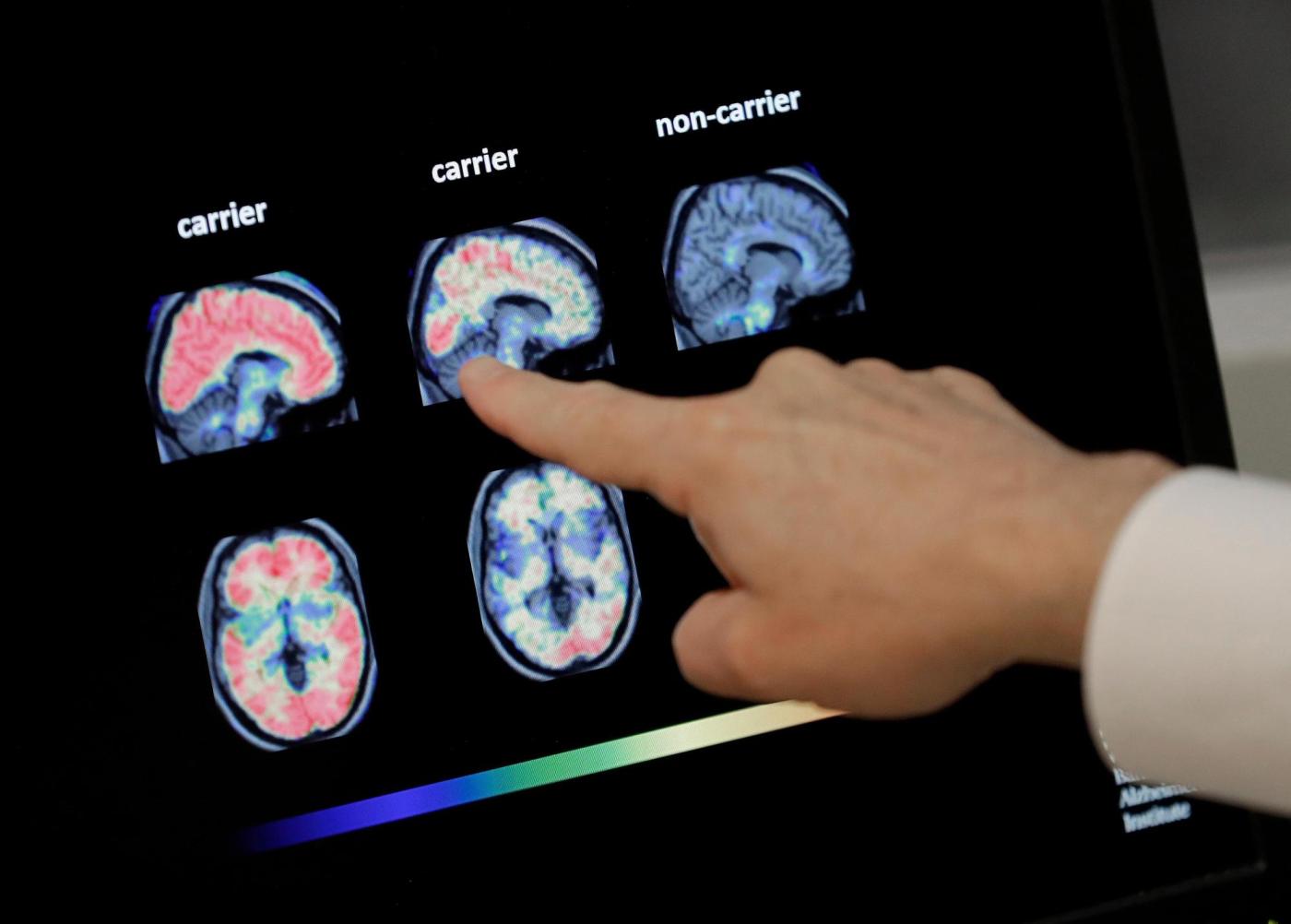
A recent study from the Boston University CTE Center has revealed a concerning link between chronic traumatic encephalopathy (CTE) and dementia. The research indicates that individuals diagnosed with CTE face a significantly higher risk of developing dementia, with those in advanced stages of CTE having four times the likelihood of receiving a dementia diagnosis. This finding underscores the urgency for increased awareness and action regarding both CTE and dementia as public health issues.
The study, which is the largest of its kind, establishes that CTE should be recognized as a new cause of dementia. This revelation is particularly alarming for current CTE sufferers, those who have endured repetitive head impacts, and their families. The potential for a future diagnosis of dementia changes the landscape of care and support needed for these individuals.
According to the Centers for Disease Control and Prevention, over 11 million adults in the United States provide unpaid care for someone affected by dementia. In 2023, caregivers collectively dedicated approximately 18.4 billion hours to support individuals with dementia. With the aging population, the National Institutes of Health estimates that the number of new dementia cases will double by 2060. The economic implications are staggering, with the total cost of Alzheimer’s disease and related dementias projected to reach $781 billion in the U.S. this year alone.
Implications for Care and Policy
The growing number of dementia patients presents a pressing demand for specialized care. Currently, fewer than 5% of nursing home beds are allocated for dementia special care units. This shortage raises concerns about the capacity to provide adequate support to those affected, further highlighting the need for a strategic response.
As the number of dementia cases increases, so does the requirement for caregiving and specialized nursing facilities. The consequences of inaction could amplify the existing burdens on families, healthcare systems, and the economy. It is imperative that society takes proactive steps to address these challenges now to ease future pressures.
Medical advancements have been made in treating dementia, particularly in slowing cognitive decline in early-stage Alzheimer’s disease. Dr. Alosco, a prominent researcher in this field, stated, “Establishing that cognitive symptoms and dementia are outcomes of CTE moves us closer to being able to accurately detect and diagnose CTE during life, which is urgently needed.” This statement reflects the potential for improved diagnostics and treatment pathways that may emerge from ongoing research.
A Call for Legislative Action
Given the urgency of these findings, it is crucial that research into dementia, Alzheimer’s, and CTE becomes a priority for lawmakers. There is an immediate need to investigate the predictors of dementia, develop effective medications, and address the underlying causes. This includes enhancing protective measures in sports and ensuring military personnel are safeguarded against head injuries.
The time to act is now. The anticipated surge in dementia cases by 2060 provides a critical window for the nation to respond effectively. By prioritizing funding and research efforts similar to those initiated during the COVID-19 pandemic, significant strides can be made in managing and preventing these diseases.
As a society, we can choose to confront this issue collaboratively, rather than relegating it to the background amid political divisions. The future of countless individuals and the health of our communities depend on a united effort to tackle the growing challenges posed by dementia and CTE.