A significant outbreak of measles is currently impacting the United States, marking the largest resurgence of the disease since 1992. According to the Centers for Disease Control and Prevention (CDC), there have been 2,065 reported cases and three fatalities attributed to measles in 2023 alone. The alarming rise in infections comes as vaccination rates decline, raising concerns that the country may lose its measles elimination status as soon as this month.
The MMR vaccine, which protects against measles, mumps, and rubella, has an overall vaccination rate of 92.5 percent across the nation. However, certain states are lagging behind; for the 2023-2024 school year, only 89 percent of kindergartners in Utah were vaccinated, along with 92 percent in South Carolina and just 89 percent in Arizona. This decline in vaccination coverage poses a serious risk as the MMR vaccine is 97 percent effective in preventing infection for those who receive both doses, while a single dose offers a 93 percent efficacy rate.
Consequences of Low Vaccination Rates
The World Health Organization (WHO) defines measles elimination as a country that has not experienced sustained transmission of the virus within a twelve-month period. The U.S. has reported new cases of measles every week in 2025, according to the CDC. In stark contrast, global measles cases have decreased by 88 percent since 2000, with 81 countries achieving elimination status by the end of 2024. In 2025, an additional 15 countries, primarily in the Pacific and parts of Africa, reached similar milestones.
Dr. Renee Dua, a medical adviser, emphasized that the current outbreak in the U.S. is a direct result of falling childhood vaccination rates. “Measles requires about 95 percent community immunity to prevent spread, and many regions are now below that threshold,” she stated. Dr. Dua noted that the consequences are tangible, leading to preventable outbreaks, hospitalizations, and fatalities from diseases that were once well-controlled.
Measles is regarded as the most infectious disease in the world, with unvaccinated individuals facing a 90 percent chance of infection upon exposure, which can occur simply by sharing the same air as an infected person. The disease manifests through flu-like symptoms, followed by a rash that typically begins on the face and spreads across the body. Severe complications can include pneumonia, seizures, brain inflammation, and even death, with statistics indicating that three in every 1,000 individuals who contract measles will die.
Public Health Implications
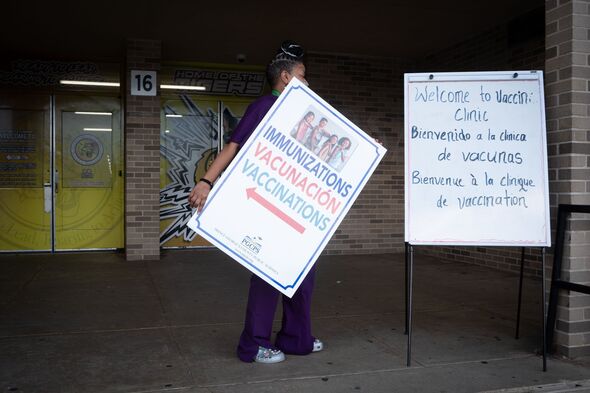
As the outbreak continues to unfold, public health officials are urging communities to reconsider vaccination strategies to protect against this highly contagious virus. The critical need for increased vaccination coverage is evident, as the current situation demonstrates the potential for rapid disease spread in populations with insufficient immunity.
Efforts to educate the public about the importance of the MMR vaccine and its proven effectiveness are essential in reversing the trend of declining vaccination rates. Without a concerted effort to improve community immunity, the U.S. risks not only losing its measles elimination status but also facing severe public health challenges in the years to come.