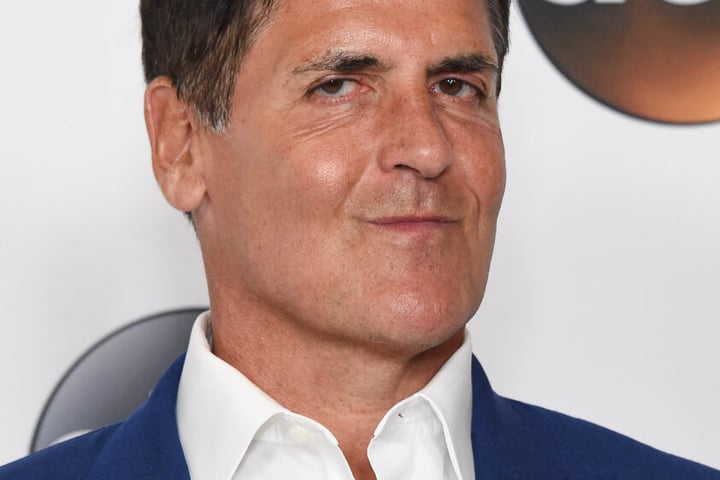
Mark Cuban has publicly challenged Elon Musk regarding the influence of insurance companies and Pharmacy Benefit Managers (PBMs) on healthcare. On March 15, 2025, the owner of the Dallas Mavericks made a series of provocative posts on X, questioning whether these entities wield more control over healthcare than federal authorities. His comments come in response to Musk’s earlier comparison of government healthcare to receiving medical care from the Department of Motor Vehicles (DMV).
Cuban’s remarks highlighted his concerns about the dominance of insurance firms and PBMs, suggesting they restrict access to innovative healthcare solutions. He wrote, “What insurance companies and PBMs do you use for your companies? Wanna bet they have more control over your healthcare than the feds ever could? Wanna bet they won’t let you use Grok or Optimus for your own employees? Wanna bet they won’t let you publish your contracts? The regulatory capture in the industry by the biggest players is worse than what the government would do to healthcare. Prove me wrong.”
Cuban’s posts sparked significant discussion around the limitations placed on healthcare innovations by established players in the industry. He emphasized that the insurance sector’s influence often overshadows potential advancements in patient care, raising critical questions about accessibility and transparency within the healthcare system.
In response to Cuban, Michael Dahle praised Musk, stating that the insurance provided by Musk’s companies is extensive and beneficial. “I am a recipient of that insurance. They cover way more than normal. He has not skimped on that,” Dahle noted, illustrating the contrasting perspectives on healthcare provision between the two entrepreneurs.
This exchange reflects a broader debate surrounding the role of insurance companies and PBMs in healthcare. Critics have increasingly voiced concerns that these entities prioritize profit over patient welfare, thereby complicating the implementation of innovative healthcare solutions. Both Cuban and Musk represent influential voices in this discussion, each advocating for different approaches to healthcare management.
The conversation takes place against a backdrop of heightened scrutiny of the healthcare industry, as stakeholders call for greater transparency and reform. Cuban’s challenge to Musk not only underscores the complexities of the current healthcare landscape but also highlights the ongoing struggle for change in an industry often resistant to innovation.
As this dialogue continues, the impact of insurance companies and PBMs on healthcare remains a pivotal issue, with significant implications for patients and providers alike. Cuban’s willingness to confront established norms suggests a potential shift in how healthcare solutions might be evaluated and adopted in the future.