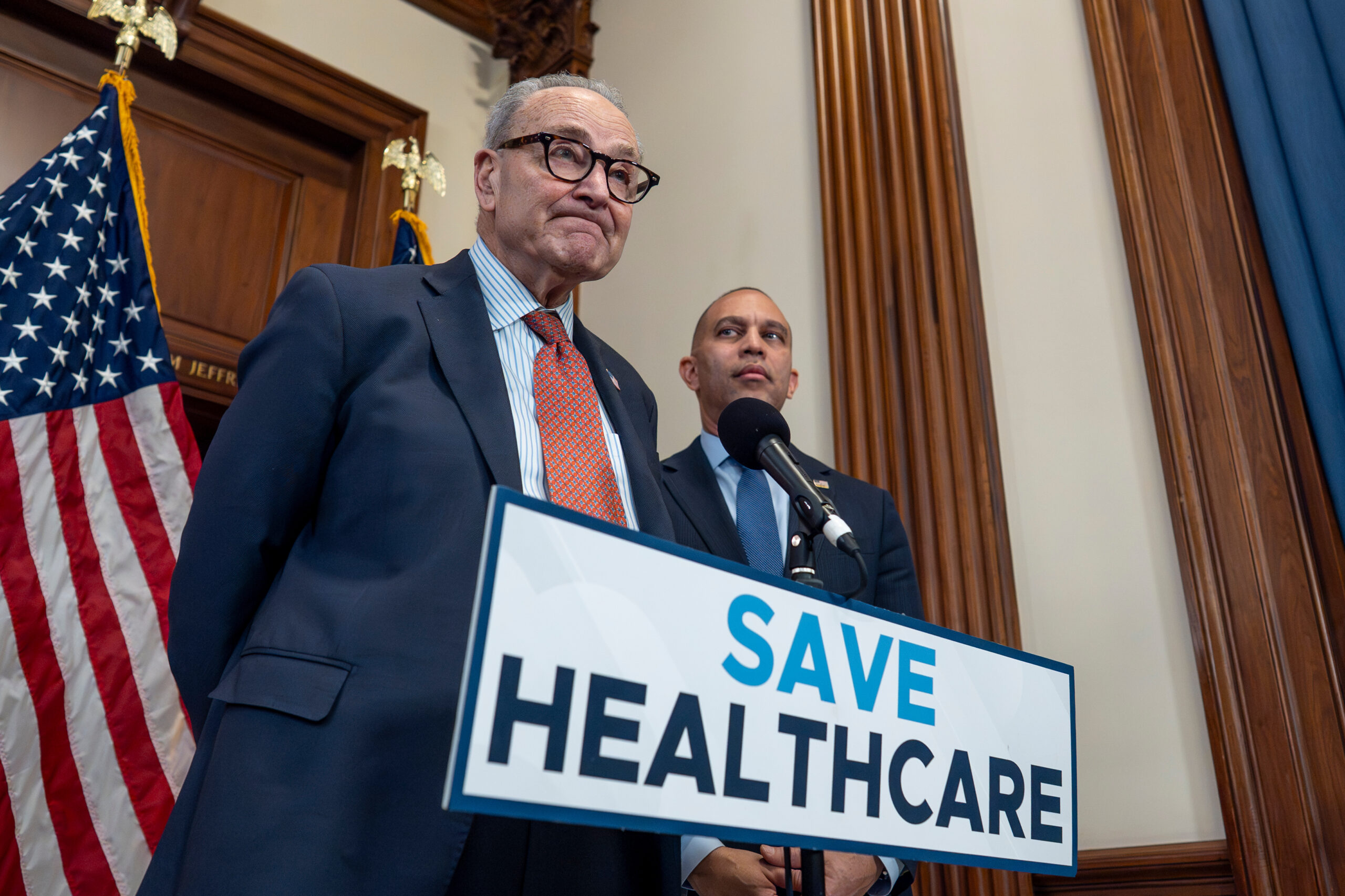
The debate surrounding health care subsidies in the United States continues to face significant challenges, particularly concerning abortion access. Lawmakers are under pressure from both abortion-rights and anti-abortion groups, which are warning that their stances could have repercussions in the upcoming midterm elections scheduled for November 2024.
Competing interests have emerged as the two sides mobilize their bases. Abortion-rights advocates argue that access to reproductive health care, including abortion, is essential for comprehensive health care coverage. They maintain that any attempt to restrict these services within health care subsidies could alienate voters who prioritize reproductive rights.
Conversely, anti-abortion groups emphasize that they represent a substantial segment of the electorate that is staunchly opposed to abortion. They assert that lawmakers who endorse subsidizing abortion services risk losing support in their districts. The stakes are high, as both factions prepare to exert influence over legislators’ decisions in the lead-up to crucial elections.
Political Landscape Influenced by Health Care Policies
The political landscape is increasingly shaped by health care policies, particularly those that involve abortion services. According to a recent survey by the American Medical Association (AMA), nearly 70% of Americans believe that health care should include access to reproductive services. This statistic highlights the potential political fallout for lawmakers who may oppose such provisions.
On the other hand, the National Abortion Federation (NAF) reports that a significant number of voters view the restriction of abortion access as a violation of personal rights. This polarization creates an environment where politicians must navigate carefully to maintain support from their constituents.
As the midterms approach, lawmakers are expected to weigh the implications of their decisions regarding health care subsidies. Abortion-rights groups are likely to mobilize voters to support candidates who favor expanded reproductive health services. Meanwhile, anti-abortion advocates are preparing to leverage their influence to challenge those who support subsidizing abortion.
The conflict illustrates a broader struggle within American politics, where health care and reproductive rights intersect. With the potential for significant voter turnout driven by these issues, lawmakers must consider the long-term effects of their positions on health care subsidies.
Future Implications for Health Care and Elections
Looking ahead, the impact of these debates on the midterm elections is expected to be profound. Both abortion-rights and anti-abortion groups are ramping up their efforts to sway public opinion and mobilize voters. The outcome of these elections could significantly influence not only health care policy but also the future of reproductive rights in the United States.
As the discussions unfold, the potential for a shifting political landscape remains. With both sides gearing up for battle, the next few months will be critical as lawmakers navigate the complex intersection of health care, abortion rights, and voter sentiment. The decisions made now will resonate far beyond the midterm elections, shaping the future of health care access in the country.