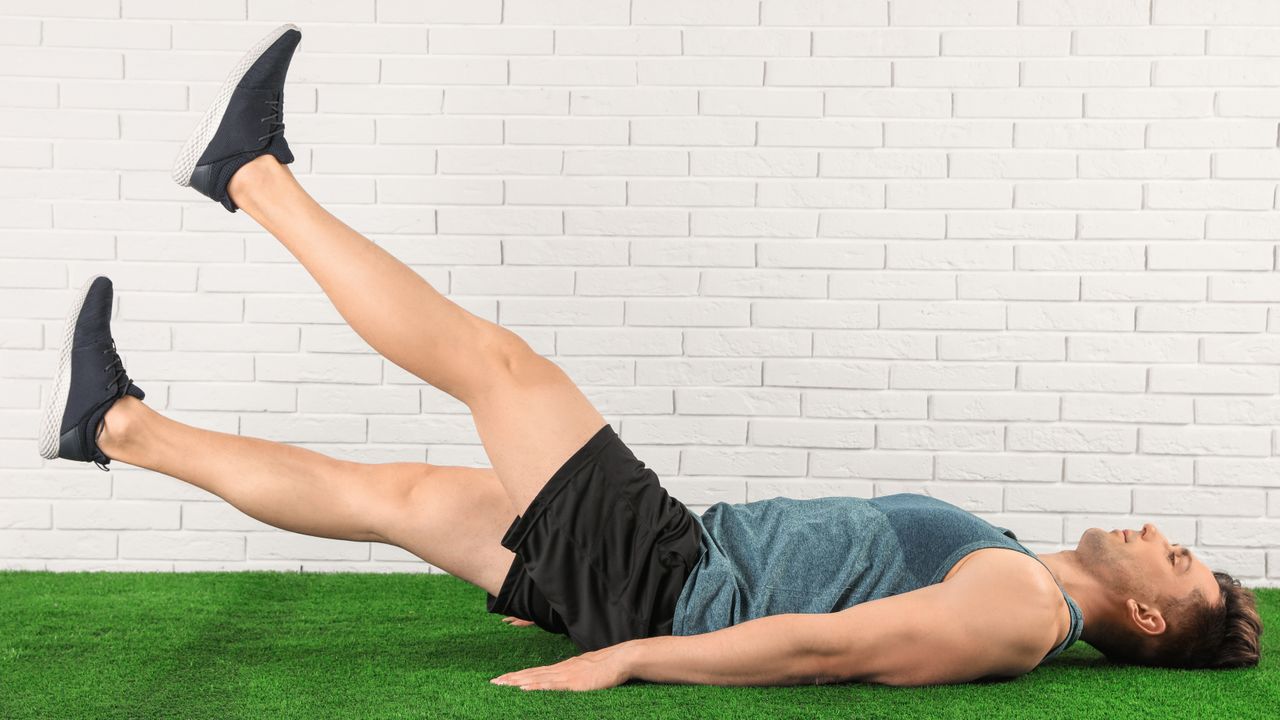
A recent personal challenge to perform flutter kicks daily for one week yielded surprising results. Initially perceived as a light exercise, the flutter kick quickly proved to be an effective workout targeting the lower core muscles, including the rectus abdominus, which is crucial for overall stability and posture.
Understanding the Exercise
The technique behind flutter kicks is straightforward. One lies flat on the ground, elevates their legs approximately eight inches, and moves them up and down while pressing the lower back into the floor. While it appears simple, the execution demands significant core strength and control.
Despite its ease of appearance, flutter kicks are a powerful exercise that can enhance core stability and posture. The benefits extend beyond aesthetics, as a strong core is essential for preventing back pain and improving overall health. Achieving visible results, such as defined abs, also typically requires a combination of cardiovascular exercise and a balanced diet.
Week of Challenges
Starting the challenge with confidence, I completed three sets of 30 seconds on the first day. I felt little discomfort, leading me to initially doubt the effectiveness of the exercise. However, when I slowed down my movements, the challenge intensified significantly. On day two, I increased each set to 45 seconds, where I found myself struggling to maintain form and control.
By day three, I noticed a distinct change. Even with only two and a half minutes of flutter kicks under my belt, I felt a noticeable strain in my lower abs. This was a welcome departure from the sensations experienced during traditional sit-ups or planks. As the week progressed, I continued to increase the duration, reaching three sets of one minute by day four. Each session became increasingly difficult, yet the benefits were evident.
Throughout the week, I discovered that flutter kicks engage not just the lower core but also muscles across the torso. The workout effectively targets various areas, from the hips to the sternum, enhancing overall muscle engagement. It became clear that the flutter kick is a valuable addition to any fitness routine, complementing other exercises such as the hollow hold and leg raises.
Despite the simplicity of the move, the challenge remained formidable until the last day. I found myself glancing at my timer, eagerly anticipating the end of each set, yet feeling accomplished with each successful completion.
In conclusion, the flutter kick is deceptively challenging and an effective core workout that can be performed anywhere. Its ability to strengthen core muscles while also improving posture makes it a worthwhile exercise for anyone looking to enhance their fitness regime. With its ease of execution, it is highly recommended for individuals at any fitness level.
For those interested in exploring new exercise routines, the flutter kick may just become your new go-to core workout.