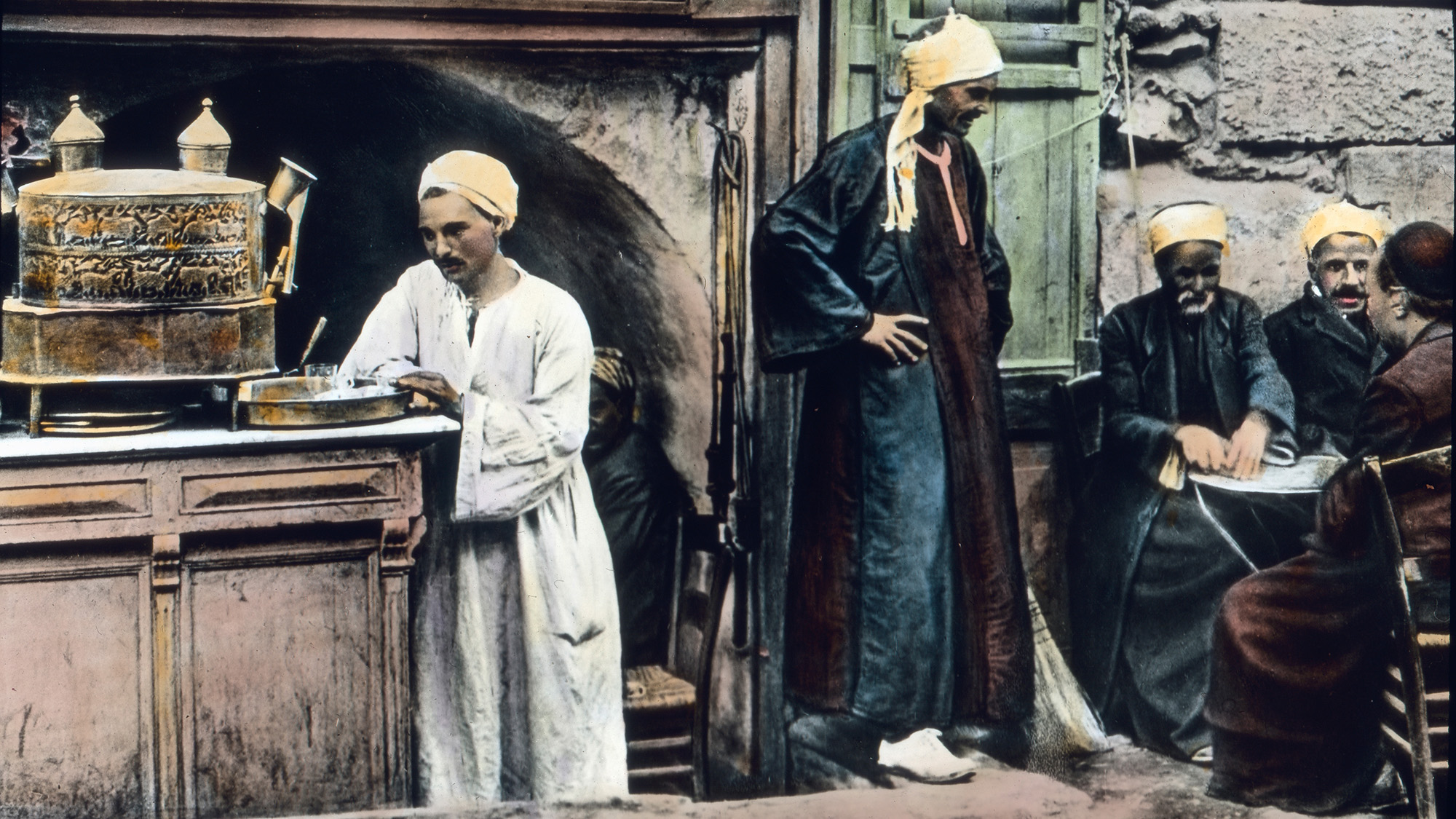
Coffee, a beverage cherished by millions around the globe, has not always enjoyed a status free from scrutiny. Throughout history, various regimes have deemed coffee drinking illegal, sometimes with severe consequences, including death. This article explores notable instances when coffee faced bans and the motivations behind these actions.
Mecca: The First Coffee Ban
By the early 16th century, coffee had established its presence in Mecca, where coffeehouses became popular gathering spots. In 1511, Meccan official Kha’ir Beg led an effort to ban coffee, citing health concerns and claiming that the beverage incited unruly behavior among patrons. He convened scholars to support his proposal, arguing that coffee intoxicated the mind and harmed the body.
Despite Kha’ir Beg’s efforts, the Sultan Al-Ashraf Qansuh al-Ghuri swiftly countered his decree. The sultan permitted private coffee drinking, allowing the people of Mecca to continue their enjoyment of coffee and eventually reopening coffeehouses. This early instance of governmental intervention illustrates the tension between authority and social practices surrounding coffee.
Ottoman Empire: Execution for Coffee Drinking
Over a century later, the climate surrounding coffee in the Ottoman Empire took a drastic turn under the rule of Sultan Murad IV. This ruler, fearing that coffeehouses could incite rebellion, declared a ban on coffee in 1633, imposing the death penalty on anyone found drinking coffee in public. Murad IV’s paranoia stemmed from being placed on the throne following uprisings, leading him to see coffeehouses as potential breeding grounds for dissent.
Historical accounts describe Murad IV as a brutal enforcer of this law, reportedly executing coffee drinkers himself. His reign marked one of the most extreme responses to coffee consumption, highlighting how political fears can drive oppressive laws.
Sweden’s Repeated Coffee Prohibitions
In Europe, coffee faced skepticism, particularly in Sweden, where it was banned on five separate occasions between 1756 and 1817. The most notable ban came under King Gustav III, who believed coffee was detrimental to health and initiated bizarre experiments to determine its safety. While the story of his twin convict experiment—where one drank coffee and the other tea—has been largely dismissed as myth, the king’s actions reflect a broader apprehension about coffee’s effects on society.
The underlying motive for these bans often related to economic concerns. As Michal Salamoni, a researcher at Umeå University, explains, the prohibitions aimed to counteract trade deficits caused by importing coffee from colonial territories. Enforcement of these bans involved police actions against coffee drinkers and sellers, demonstrating the lengths to which authorities would go to regulate consumption.
Prussia: The Coffee-Sniffing Enforcers
In 1777, Frederick the Great of Prussia expressed his disdain for coffee in a detailed critique, lamenting the drain on national wealth caused by his subjects’ coffee consumption. He believed the beverage should be reserved for the elite, while ordinary citizens should stick to beer. To address this perceived inequality, Frederick established a royal coffee monopoly, prohibiting citizens from importing or roasting their own coffee beans.
This led to rampant smuggling, prompting the creation of a clandestine group known as the “Kaffeeschnüffler,” or coffee-sniffers. Comprised mainly of war veterans, these enforcers roamed the streets to detect the scent of illicitly roasted coffee. Those caught faced hefty fines, with part of the penalty going to the sniffer. Frederick’s measures reveal how economic motivations can intertwine with social control regarding popular beverages.
While modern society largely accepts coffee, with its health benefits widely recognized, the beverage’s tumultuous past reminds us of the lengths authorities have gone to control social habits. Today, coffee remains a staple in daily life, illustrating both its enduring popularity and the freedom of choice that many enjoy. As history demonstrates, the quest for coffee has often involved significant sacrifice, reflecting its deep-rooted cultural significance across nations.