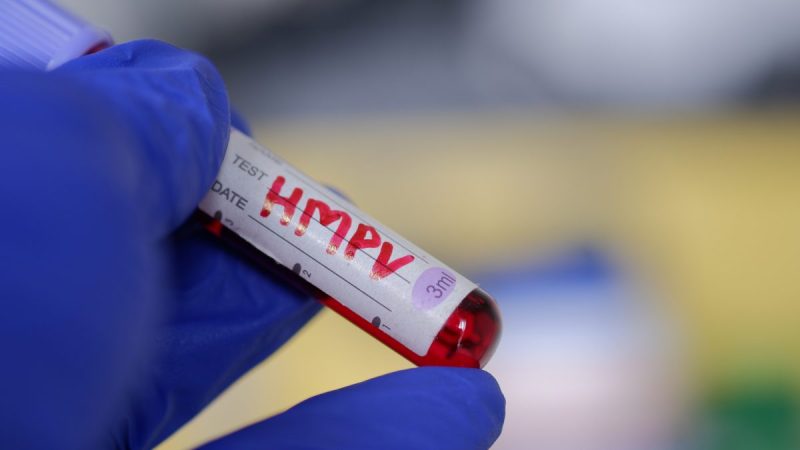
An alarming rise in cases of Human Metapneumovirus (HMPV) has been reported across the United States, raising concerns among health officials and the public alike. Unlike influenza, there is currently no vaccine or specific treatment for HMPV, which can lead to respiratory illness, particularly in vulnerable populations such as young children and the elderly.
The Centers for Disease Control and Prevention (CDC) has noted that HMPV is a common virus that typically circulates during the winter and spring months. However, this year, it appears to be more widespread than in previous years, coinciding with an increase in other respiratory viruses. As of late 2023, the CDC has confirmed significant spikes in reported cases across various states, highlighting the need for increased awareness and preventive measures.
Understanding HMPV and Its Impact
HMPV was first identified in the Netherlands in 2001, and it has since been recognized as a significant cause of respiratory infections, especially in children. Symptoms of HMPV include cough, fever, and wheezing, which can escalate into more severe respiratory issues, particularly for those with pre-existing health conditions.
According to the CDC, HMPV is transmitted through respiratory droplets when an infected person coughs or sneezes. This makes it highly contagious, mirroring the transmission patterns seen with influenza and COVID-19. In light of the ongoing rise in cases, public health officials are urging individuals to practice good hygiene, including frequent handwashing and avoiding close contact with those who are ill.
Monitoring and Prevention Efforts
As health authorities continue to monitor the situation, they emphasize the importance of vaccination against other respiratory viruses, particularly influenza and COVID-19, which can complicate the clinical picture for those infected with HMPV. While there is no vaccine for HMPV itself, protecting against other respiratory illnesses can help reduce the overall burden on healthcare systems.
In addition to preventive measures, healthcare providers are advised to be vigilant in identifying and managing HMPV cases, especially during the peak respiratory season. The CDC recommends that healthcare facilities enhance their surveillance efforts and report any significant increases in respiratory illness cases to local health departments.
The rise of HMPV serves as a stark reminder of the ongoing challenges posed by respiratory viruses. As the healthcare community navigates these challenges, the emphasis on public education and preventive strategies remains crucial in safeguarding community health.
As cases continue to rise, staying informed about HMPV and other respiratory viruses will be vital for individuals and families across the United States. While there may be no specific vaccine or treatment for HMPV at this time, awareness and proactive health measures can help mitigate the spread and impact of this respiratory virus.