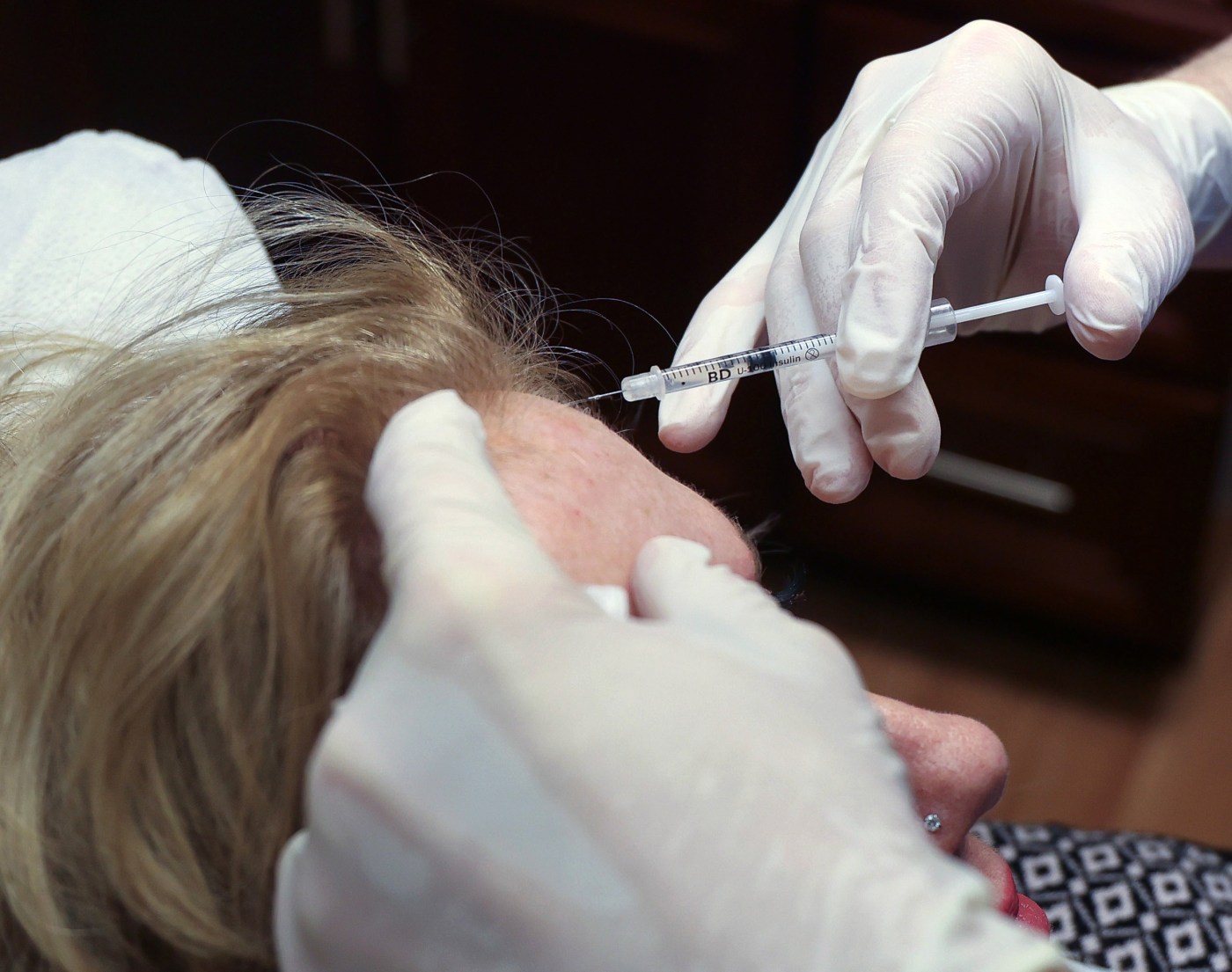
The lack of adequate oversight in Florida’s med spa industry has raised serious concerns regarding patient safety. A recent lawsuit filed by Samar El Hussein against The Refinery Medspa in West Melbourne highlights these issues. El Hussein claims she suffered severe burns during a laser hair removal procedure that was conducted without proper medical supervision, as mandated by Florida law. Despite having a physician listed as the medical director, no doctor was present during the procedure.
Florida law requires that medical procedures involving lasers be performed under the direct supervision of a licensed physician, yet many med spas operate with minimal regulatory oversight. The Florida Legislature has attempted to address these gaps, but efforts to introduce reform bills have repeatedly failed. State Representative Anne Gerwig, who filed a bill aimed at increasing transparency in med spa operations, emphasized the need for consumers to know the medical professionals associated with these establishments. “Some of the procedures that are regularly performed at these facilities require medical oversight by licensed doctors,” she stated.
The situation in Florida is further complicated by a 2025 study published in the journal Plastic and Reconstructive Surgery. This research indicated widespread non-compliance with state requirements for medical directors, revealing that many med spas employ directors who are either inadequately qualified or located far from the facilities they supervise. Dr. Andrew Rosenthal, a plastic surgeon and president of the Florida Society of Plastic Surgeons, remarked, “There’s no way to have oversight when you have a doctor on the west coast overseeing a spa on the east coast. It’s the Wild West.”
The South Florida Sun Sentinel recently conducted an analysis of medical license information for over 10,000 doctors across Florida’s ten largest counties. It found that anyone can own a med spa in the state, and the rules governing their operation are often vague. Most med spas are staffed by non-physicians, such as nurse practitioners and aestheticians, who perform a range of cosmetic procedures. While many of these treatments, like Botox and laser hair removal, are popular, they carry risks that can result in severe complications when not supervised appropriately.
El Hussein’s case is not isolated. Over the past five years, at least two dozen lawsuits have been filed against Florida med spas, alleging injuries from poorly administered procedures. These incidents create a troubling pattern of negligence, raising alarms about the safety of cosmetic treatments. Louiza Tarassova, a lawyer specializing in med spa malpractice cases, represents El Hussein and has noted the widespread disregard for the necessary medical supervision. “People see it as more of a technicality,” she stated, highlighting a concerning attitude toward compliance.
The industry’s growth has been exponential, with the number of med spas in the United States rising from 8,899 locations in 2022 to 10,488 in 2023, according to the American Med Spa Association. This rapid expansion has created a lucrative market for medical directors, often leading to arrangements where physicians are contracted for minimal oversight. For instance, Dr. Vinson DiSanto was reportedly serving as the medical director for a med spa while residing in California, raising questions about the adequacy of his supervision.
Despite the inherent risks associated with cosmetic procedures, regulation remains lax. Florida does not specifically categorize med spas in its statutes, making it difficult to enforce compliance. Dr. Andrew Rosenthal emphasizes the necessity of on-site supervision, stating, “There’s no substitute for being on site.” Poor oversight can lead to serious injuries, such as burns and complications from filler injections, underscoring the urgent need for reform.
The Florida Board of Medicine oversees disciplinary actions against physicians, but many argue that enforcement of existing regulations is lacking. Investigations typically focus on unlicensed practitioners or counterfeit medical products rather than the compliance of medical directors. This gap in enforcement may exacerbate the risks faced by patients seeking cosmetic treatments.
The tragic death of Jenifer Cleveland in Texas in July 2023 after receiving IV therapy from an unlicensed practitioner has prompted calls for stricter regulations in the med spa industry nationwide. Her case has drawn attention to the necessity for legislative action to ensure patient safety in med spas.
As the Florida med spa industry continues to thrive amid minimal oversight, the push for reform remains a critical issue. Advocates for safer practices stress the need for clear regulations and rigorous enforcement to protect consumers. Without these changes, the potential for injury and malpractice will likely persist, leaving patients vulnerable in what should be a regulated medical environment.
In conclusion, the current landscape of Florida’s med spas reveals a pressing need for increased scrutiny and regulation. As the industry grows, so too must the standards governing it, ensuring that patient safety remains a top priority.