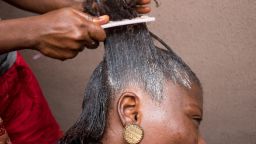
The U.S. Food and Drug Administration (FDA) has missed its deadline to propose a ban on formaldehyde and certain formaldehyde-releasing chemicals in hair-straightening products, which are commonly used by Black women. The FDA had initially set the action date for December 31, 2025, but has yet to finalize the proposed rule. An FDA spokesperson stated that the rule remains a priority for the agency, which plans to announce updates through its Unified Agenda.
According to David Andrews, acting chief science officer at the Environmental Working Group, the FDA has repeatedly pushed back the timeline for this rule. The initial deadline was set for October 2023 and has since been extended multiple times, now landing on December 31, 2025. Andrews highlighted the risks associated with formaldehyde, a known carcinogen that can lead to respiratory issues, skin sensitization, and increased asthma risk. He emphasized that every delay endangers the health of salon workers and consumers exposed to these harmful chemicals.
In 2021, salon workers collaborated with the Environmental Working Group and Women’s Voices for the Earth to petition the FDA for regulatory action against formaldehyde in hair products. This push came in response to growing concerns about the chemicals’ links to cancer, particularly among Black women, who are disproportionately affected by the use of these products.
The Biden administration signaled its intent to consider a ban on formaldehyde in cosmetic products, including chemical hair relaxers and pressing treatments. Yet, despite these indications, the FDA has not taken formal action. Andrews noted that the lack of repercussions for missed deadlines undermines public trust in the FDA’s ability to protect health.
Health Risks and Regulatory Challenges
To initiate the regulatory process, the FDA must formally publish the proposed rule in the Federal Register, allowing for public comment. Following this, the agency would review the comments before deciding to finalize or withdraw the rule. The Trump administration had previously identified toxins and harmful chemical exposures as priorities for the Department of Health and Human Services.
Studies have indicated a concerning relationship between the frequent use of hair-straightening products and increased risks of hormone-related cancers, including uterine, ovarian, and breast cancers. Dr. Lauren Wise, a professor of epidemiology at Boston University School of Public Health, has conducted research on the risks associated with these products. She pointed out that Black women are diagnosed with uterine fibroids at significantly higher rates than their White counterparts.
Wise’s recent study published in the American Journal of Epidemiology explored the connection between hair relaxer use and the incidence of uterine fibroids. She noted that temporary hair relaxers are suspected to contain higher levels of formaldehyde than permanent ones, raising additional health concerns.
Calls for Immediate Action
Legislators have expressed frustration over the FDA’s delays, urging the agency to act swiftly. U.S. Representatives Shontel Brown, Nydia Velázquez, and Ayanna Pressley have voiced their support for the proposed ban. Brown articulated the urgency of the matter, stating, “Do we care about Black women getting cancer or do we not?” She criticized the repeated delays and emphasized the need for immediate action to protect public health.
Andrews stated that finalizing the proposed rule would not only reduce harm but also ensure equitable protections for consumers and salon workers. The FDA’s continued inaction has raised serious questions about its commitment to safeguarding public health, particularly for communities most affected by these products.
As the situation develops, many await clearer communication from the FDA regarding the future of the proposed ban on formaldehyde in hair-straightening products. The health implications for consumers, especially Black women, remain a pressing concern that demands prompt regulatory attention.