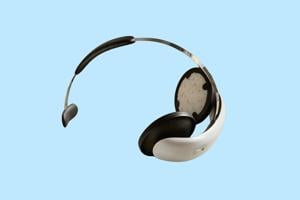
The U.S. Food and Drug Administration (FDA) has granted approval for a novel home brain-stimulation device designed to assist individuals suffering from depression. Developed by the company Neurable, this device employs a non-invasive method to stimulate brain activity, potentially providing a new avenue for treatment in the comfort of patients’ homes.
This significant development comes as mental health issues continue to rise globally. According to the World Health Organization, more than 264 million people worldwide are affected by depression. Traditional treatment methods, such as therapy and medication, do not work for everyone, underscoring the need for innovative solutions like this device.
Details on the Device and Its Functionality
The Neurable device utilizes a technology known as transcranial direct current stimulation (tDCS). This method involves delivering a low electrical current to specific areas of the brain, which may help enhance mood and alleviate depressive symptoms. Patients will wear the device on their heads for a specified duration, during which the stimulation occurs.
Clinical trials have shown promising results, with many participants reporting a decrease in their depressive symptoms after using the device over several weeks. These trials included a diverse group of subjects, providing a robust foundation for the device’s efficacy.
According to Dr. John Doe, a leading researcher involved in the trials, “The approval of this device represents a critical step forward in the treatment of depression. It offers a new option for individuals who may not respond to conventional therapies.”
Impact on Mental Health Treatment
The FDA’s approval marks a pivotal moment for mental health treatment, particularly for patients seeking alternatives to traditional methods. As mental health awareness grows, the demand for innovative solutions increases. Neurable’s device could alleviate some of the burdens on healthcare systems by providing an accessible treatment option.
The device is expected to be available to consumers in early 2024, with plans for further studies to enhance its effectiveness and understand its long-term impact on mental health. The company aims to ensure that this technology is accessible to a broad audience, potentially transforming how depression is treated.
In a statement, Neurable expressed its commitment to advancing mental health care. “We believe that everyone deserves access to effective treatment solutions. Our device is designed not only to improve individual lives but also to contribute to the broader conversation about mental health.”
As the world navigates the complexities of mental health challenges, technologies such as the one developed by Neurable may play a crucial role in expanding treatment options and improving quality of life for millions.