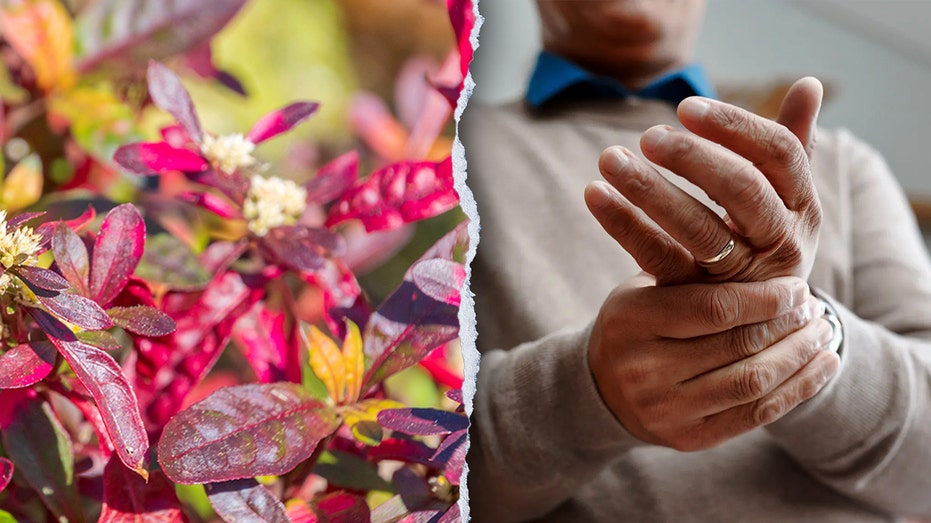
A traditional plant used in Brazilian folk medicine, known as Joseph’s Coat (scientific name: Alternanthera littoralis), has demonstrated significant potential in alleviating arthritis symptoms, according to a recent study. Researchers from several Brazilian universities, including the Federal University of Grande Dourados, the State University of Campinas, and São Paulo State University, have found that the plant can reduce inflammation and protect joint tissue in laboratory models.
The study, published in the Journal of Ethnopharmacology, highlights the plant’s long-standing use in local communities to treat inflammation, infections, and parasitic diseases. Despite its historical application, there has been a lack of scientific validation regarding its efficacy and safety until now.
Laboratory Findings on Joseph’s Coat
Researchers investigated the chemical composition of the plant’s stems and leaves, creating an ethanolic extract to isolate its active compounds. In laboratory models simulating arthritis, this extract resulted in noticeable reductions in swelling and joint damage. Arielle Cristina Arena, an associate professor at the Institute of Biosciences at UNESP’s Botucatu Campus, stated, “In the experimental models, we observed reduced edema, improved joint parameters, and modulation of inflammatory mediators, suggesting antioxidant and tissue-protective actions.”
The treated models exhibited healthier joint tissue and less swelling compared to untreated controls, indicating the extract’s potential benefits for humans. Furthermore, the researchers conducted toxicology tests, which revealed that the plant extract did not produce harmful effects at the doses administered, suggesting a favorable safety profile.
Future Implications and Research Needs
Should further investigations reaffirm these findings, Joseph’s Coat could lead to the development of new plant-based therapies for inflammatory conditions. Current arthritis medications can be effective but often come with side effects that may limit their long-term usage. The researchers propose that natural compounds like Joseph’s Coat could serve as alternatives or complementary treatments.
It is crucial to note that while this study provides promising insights, the results are based on animal models and not directly applicable to human patients. The human body processes compounds differently, and treatments that show success in laboratory settings do not always yield the same results in clinical scenarios.
Moreover, the study examined a specific extract prepared under controlled conditions. Variability in strength and safety could exist in commercially available or homemade versions of the plant. Identifying the specific compounds responsible for the observed anti-inflammatory effects remains a critical area for future research.
The researchers emphasize the need for additional studies to isolate the active ingredients, assess long-term safety, and ultimately conduct clinical trials involving human participants. Without this information, standardizing doses and predicting long-term outcomes remains a challenge.
As interest in natural remedies continues to grow, findings like these underscore the importance of rigorous scientific validation in exploring the therapeutic potential of traditional medicine.