The competition for television resolution appears to have reached a conclusion, with the focus shifting firmly towards 4K technology. According to reports from FlatPanelsHD, LG has officially ceased production of all 8K televisions, marking the end of its manufacturing with the discontinuation of the Z3 model in 2023. This decision leaves Samsung as the sole remaining producer of 8K televisions, yet the company did not include any 8K models in its recent lineup announcement at the Consumer Electronics Show (CES) last month.
While LG describes its actions as a “temporary hold,” indicating a willingness to resume production if customer interest revives, many industry observers view this as a significant blow to 8K technology. The situation is reminiscent of the decline of 3D TVs in 2017, when production halted due to lack of consumer demand.
Pricing and content availability have played crucial roles in this shift. 8K televisions have traditionally been much more expensive than their 4K counterparts. Additionally, there is currently no established broadcast or disc format for 8K content, limiting usage to upscaled 4K material. Even among the limited selection of 8K models, many do not support a compressed 8K signal over HDMI 2.1, further restricting their utility.
A recent study by researchers at Cambridge University adds to the discussion, suggesting that the average human eye cannot discern the difference between 4K and 8K resolutions at typical viewing distances—approximately 2.4 meters (or 8 feet) for most living rooms. As a result, manufacturers are increasingly prioritizing advancements in picture quality rather than merely increasing resolution.
With the retreat from 8K, television makers are now concentrating on enhancing overall viewing experiences. This includes developing technologies that improve brightness, contrast, and color richness, as well as better upscaling and processing for lower-resolution content.
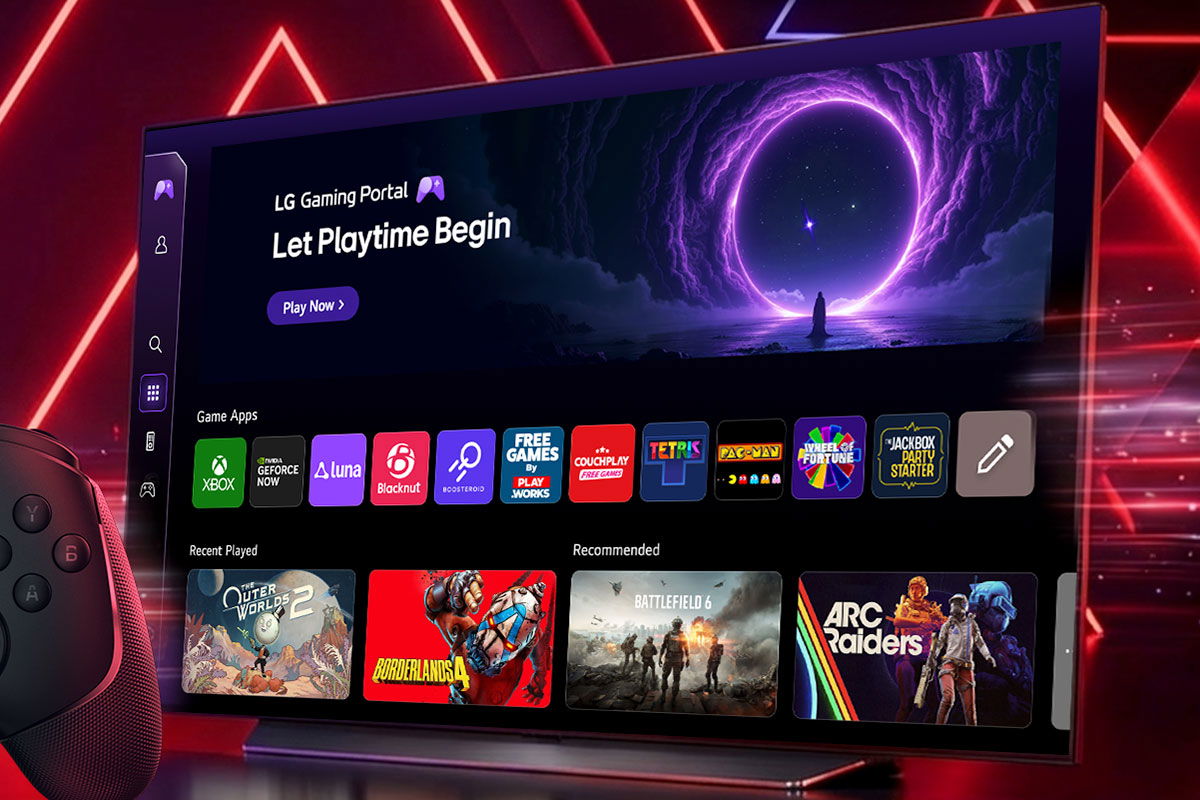
In a parallel initiative, LG has also introduced its “Designed for LG Gaming Portal” certification program, aimed at optimizing gaming experiences through enhanced latency, connectivity, and interoperability between gaming controllers and the LG Gaming Portal interface. This move underscores the company’s commitment to fostering a more engaging experience for gamers, even as it steps back from the high-resolution race.
As the market settles into a new phase, it remains to be seen how consumer preferences will evolve and how manufacturers will respond to the changing landscape of television technology.