Nearly six years after its troubled theatrical debut, The Snowman has emerged as an unexpected success on global streaming platforms. Originally released on October 20, 2017, the film, directed by Tomas Alfredson, was met with harsh criticism, deemed a cautionary tale of studio interference and flawed storytelling. This time, however, audiences are engaging with the film, sparking a renewed interest that has surprised many.
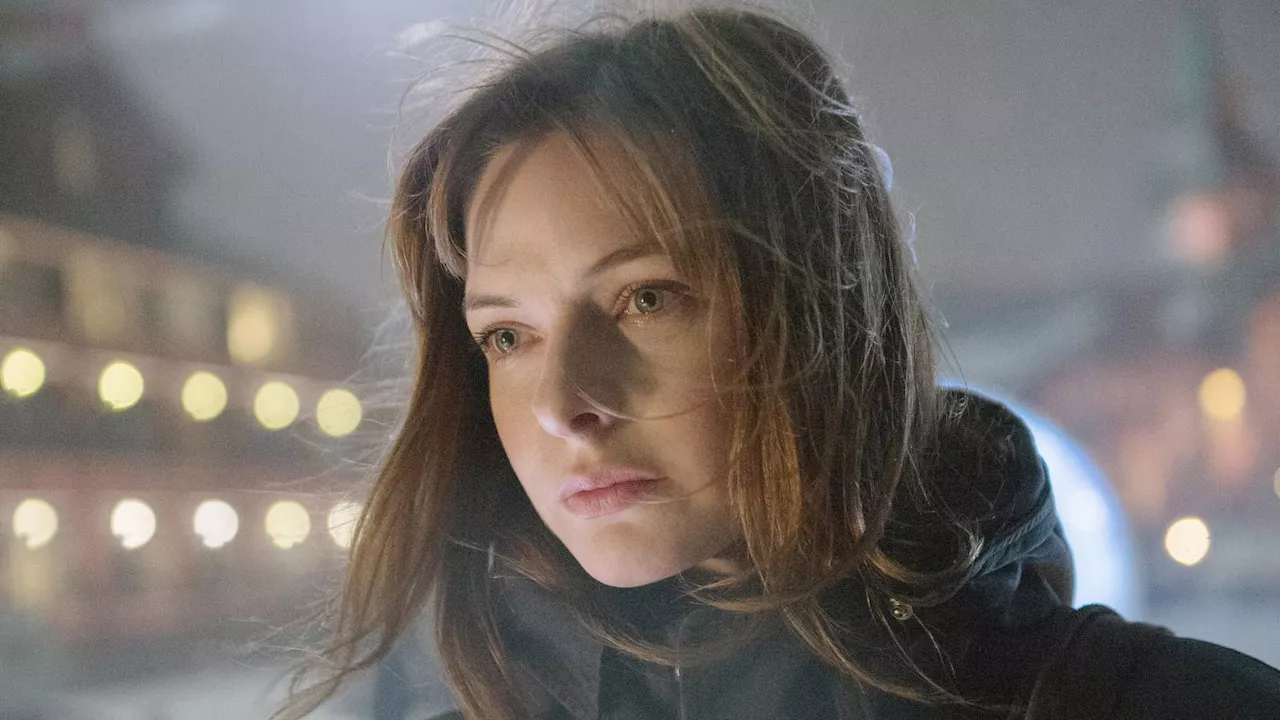
The crime thriller features Michael Fassbender as the troubled Norwegian detective Harry Hole, with Rebecca Ferguson playing his ambitious partner, Katrine Bratt. While the film had all the makings of a captivating Nordic noir—a prestigious cast, chilling atmosphere, and a serial killer theme—it struggled to resonate upon its initial release. Critics highlighted its incoherent plot and tonal inconsistencies, which Alfredson later attributed to significant portions of the script not being filmed.
As viewers revisit The Snowman on streaming platforms, the very flaws that once led to its dismal reception have transformed into a source of intrigue. Audiences are drawn to the film, curious to witness its shortcomings firsthand. Many are captivated by the eerie atmosphere and striking locations, despite the film’s narrative challenges.
Despite a disappointing critical reception, which included a review from Collider that labeled it a “disastrous misstep,” the film’s peculiar charm has found a new audience. Critics expressed that the film, while featuring a strong cast, ultimately fell apart due to its lack of narrative coherence. Themes of broken families and childhood neglect were hinted at but never explored in depth, leaving viewers with a sense of confusion and dissatisfaction.
In a particularly scathing critique, the Collider review noted, “The worst part of The Snowman is when you’re halfway through the film and you realize no answer is going to make this tedious picture come together.” The film’s protagonist, Harry Hole, was described as a brilliant but self-destructive detective whose character development failed to support those traits convincingly.
Despite its shortcomings, the film’s unique elements—such as the unsettling imagery of snowmen—have resonated with some viewers, contributing to its status as a guilty pleasure. The combination of curiosity about its failures and appreciation for its aesthetic appeal has led to a resurgence in viewership.
As streaming continues to reshape the way audiences consume content, The Snowman stands as a testament to the idea that even critically panned films can find new life. The film’s journey from box office disappointment to streaming hit raises questions about how viewer perceptions can evolve with context and medium.
In summary, The Snowman may not have achieved acclaim upon its release, but its unexpected popularity on streaming platforms highlights the evolving nature of film appreciation in the digital age. With audiences now engaging with the film’s eerie visuals and curious narrative, its status as a misunderstood work continues to grow.