Netflix has once again faced backlash over the cancellation of its cult-favorite series, The OA. The show, which ran for two seasons from 2016 to 2019, captivated audiences with its complex narrative and rich themes, only to leave them hanging with an unresolved cliffhanger. Fans have expressed their frustration not only over the abrupt end of the series but also over what they see as a broader trend of streaming platforms prioritizing metrics over creative storytelling.
The Unique Appeal of The OA
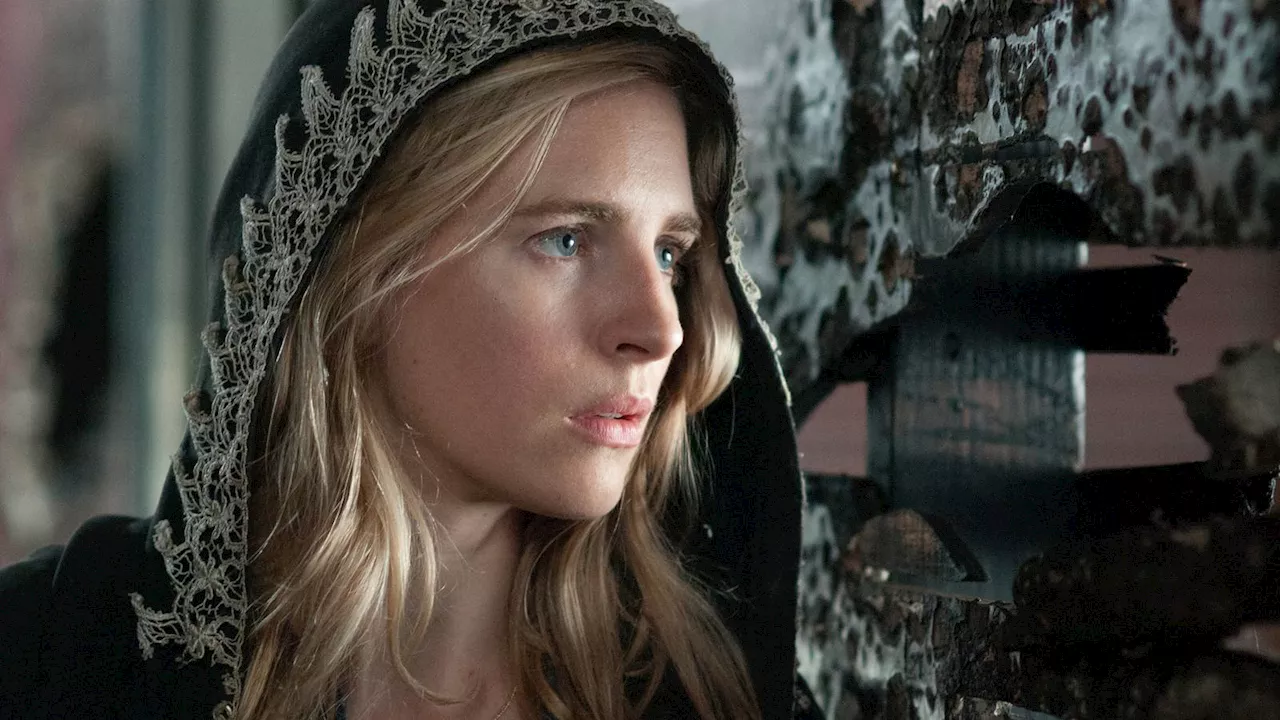
The OA, created by Brit Marling and Andrew Haigh, is notable for its unconventional plot. The story revolves around Prairie, a young woman who returns home after being missing for seven years, now miraculously able to see. As the narrative unfolds, it delves into themes of angel mythology, the multiverse, and the transcendent power of dance. Viewers quickly find themselves immersed in a narrative that defies traditional sci-fi tropes.
Despite its innovative approach, The OA faced challenges in maintaining viewership, which ultimately contributed to its cancellation. The show ended on a particularly enigmatic note in season two, featuring Prairie and other characters on a film set while using the actors’ real names. This meta twist left fans in disbelief and discontent, with many unable to predict the series’ future direction.
Critics and audiences alike lauded The OA, as evidenced by its scores on Rotten Tomatoes, which stand at 84% for critics and 83% for viewers. The series has been praised for its cinematography and emotional depth, making it a worthwhile watch even for those who might be hesitant due to its unresolved ending.
Industry Implications and Fan Reactions
In an interview with The New York Times, Marling voiced her disappointment over the cancellation. She described the disruption in creative spaces caused by the industry’s shift to streaming during the pandemic, labeling it “a broken business model.” Her sentiments highlight a growing concern among creators about the volatility of streaming platforms and their impact on artistic expression.
The cancellation has not only frustrated fans but has also sparked online protests, showcasing the deep emotional investment viewers have in the series. Many argue that the decision to cancel was driven by low viewership numbers relative to the show’s high production costs, which raises questions about the sustainability of niche storytelling in an era dominated by data-driven decisions.
As Netflix continues to navigate these challenges, the fate of similarly ambitious projects hangs in the balance. With the market open for new streaming platforms, there is potential for other services to fill the creative void left by The OA and similar shows that push the boundaries of genre storytelling.
While the conclusion of The OA is disappointing for many, it remains a testament to the series’ unique vision and execution. For viewers seeking a blend of genres with a supernatural twist, The OA stands as a significant, albeit unfinished, chapter in the landscape of modern television.