A high-profile science fiction film on Netflix, boasting a budget of $320 million and a substantial marketing push, has failed to resonate with audiences, resulting in disappointing viewership figures. In stark contrast, a newly released thriller series has surged in popularity, quickly becoming one of the platform’s most-watched offerings. The success of this series underscores the notion that engaging storytelling can prevail over mere production expenditure.
Box Office Disappointment
The much-anticipated film, which was heavily promoted, garnered overwhelmingly negative reviews from critics. Viewers expressed dissatisfaction with its execution, leading to a significant decline in its viewership shortly after release. The film’s inability to connect with audiences highlights a growing trend where even significant financial investments may not guarantee success in an increasingly competitive streaming landscape.
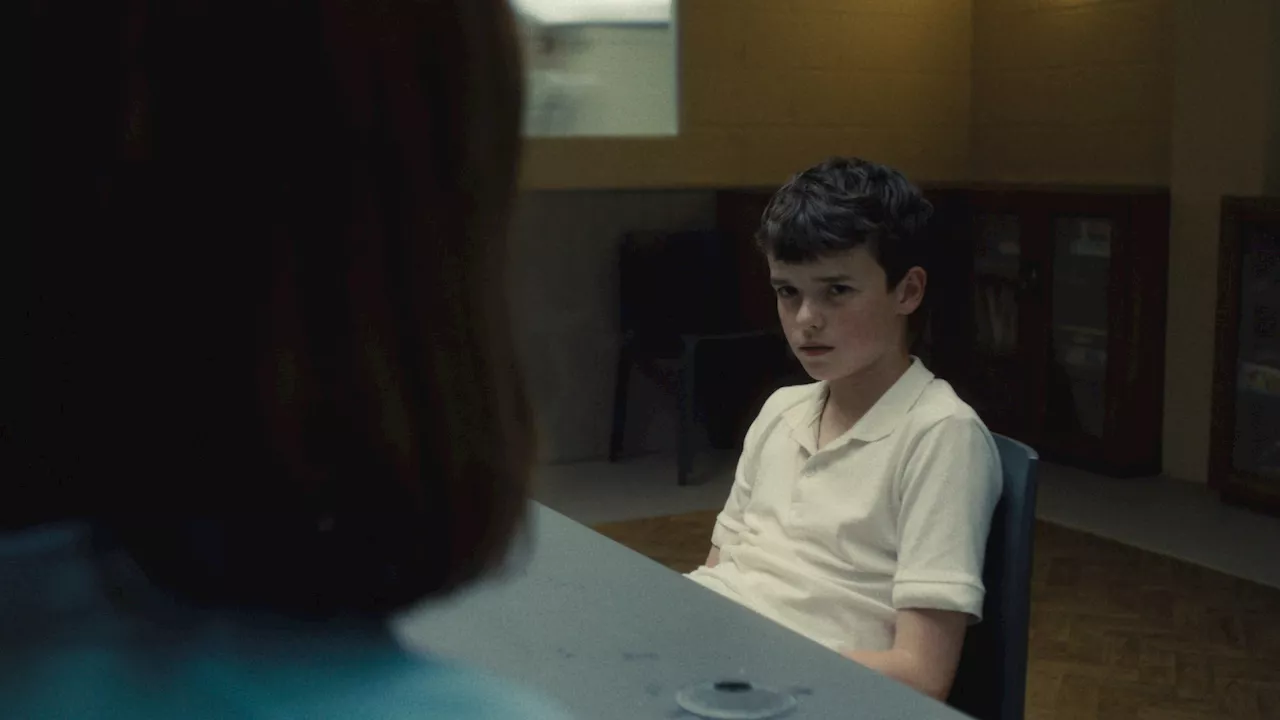
Conversely, the thriller series has captured the attention of both viewers and critics alike. The show tackles pressing societal themes, such as online bullying and the influence of far-right ideologies, resonating deeply with contemporary audiences. Its timely subject matter, combined with compelling character development and a gripping narrative, has generated widespread acclaim, resulting in multiple awards and record-breaking viewer numbers.
Market Dynamics
The contrasting performances of these two projects illustrate the unpredictable nature of entertainment consumption. While the film aimed to attract a wide audience with its high-budget approach, the series found success by delivering a relatable and engaging story. This shift in viewer preference suggests that quality content may be more valuable than sheer financial might.
As streaming platforms continue to evolve, understanding audience preferences becomes crucial. Netflix’s experience with both projects serves as a reminder that successful content must resonate on a personal level, regardless of the budget allocated. The entertainment industry may need to recalibrate its strategies to prioritize storytelling over expenditure, ensuring that future productions engage and retain audiences effectively.
In conclusion, the disappointing outcome of Netflix’s expensive film juxtaposed with the soaring popularity of its thriller series demonstrates a significant lesson in the realm of streaming entertainment. As platforms navigate this dynamic landscape, the focus may need to shift toward creating compelling narratives that reflect the realities and concerns of modern viewers.