Nathan Bedford Forrest, a Confederate cavalry general during the American Civil War, remains a figure of both military innovation and deep controversy. His unconventional tactics significantly impacted military strategies, influencing future leaders such as German Field Marshal Erwin Rommel. Forrest’s methods not only altered the course of battles but also shaped the legacy of warfare itself.
Forrest’s Military Innovations
Forrest’s approach to cavalry warfare marked a departure from traditional tactics. While cavalry units typically charged directly into battle, he utilized his troops as a mobile fighting force. This strategy allowed his men to quickly establish themselves as an infantry brigade upon arrival, supported by fast-moving artillery units. His tactics caused major disruptions for Union forces, notably delaying General Ulysses S. Grant’s campaign against Vicksburg and hindering General William T. Sherman’s advance on Atlanta.
One of Forrest’s most impressive feats occurred during the Battle of Paducah in March 1864. His cavalry, numbering around 2,500, covered an astonishing 100 miles in just 50 hours. This rapid movement bewildered Union troops and led to the destruction of crucial supplies. Sherman, exasperated by Forrest’s effectiveness, reportedly declared, “That devil Forrest needs to be killed, I don’t care if it costs 10,000 lives and bankrupts the Federal Treasury!”
Controversial Legacy
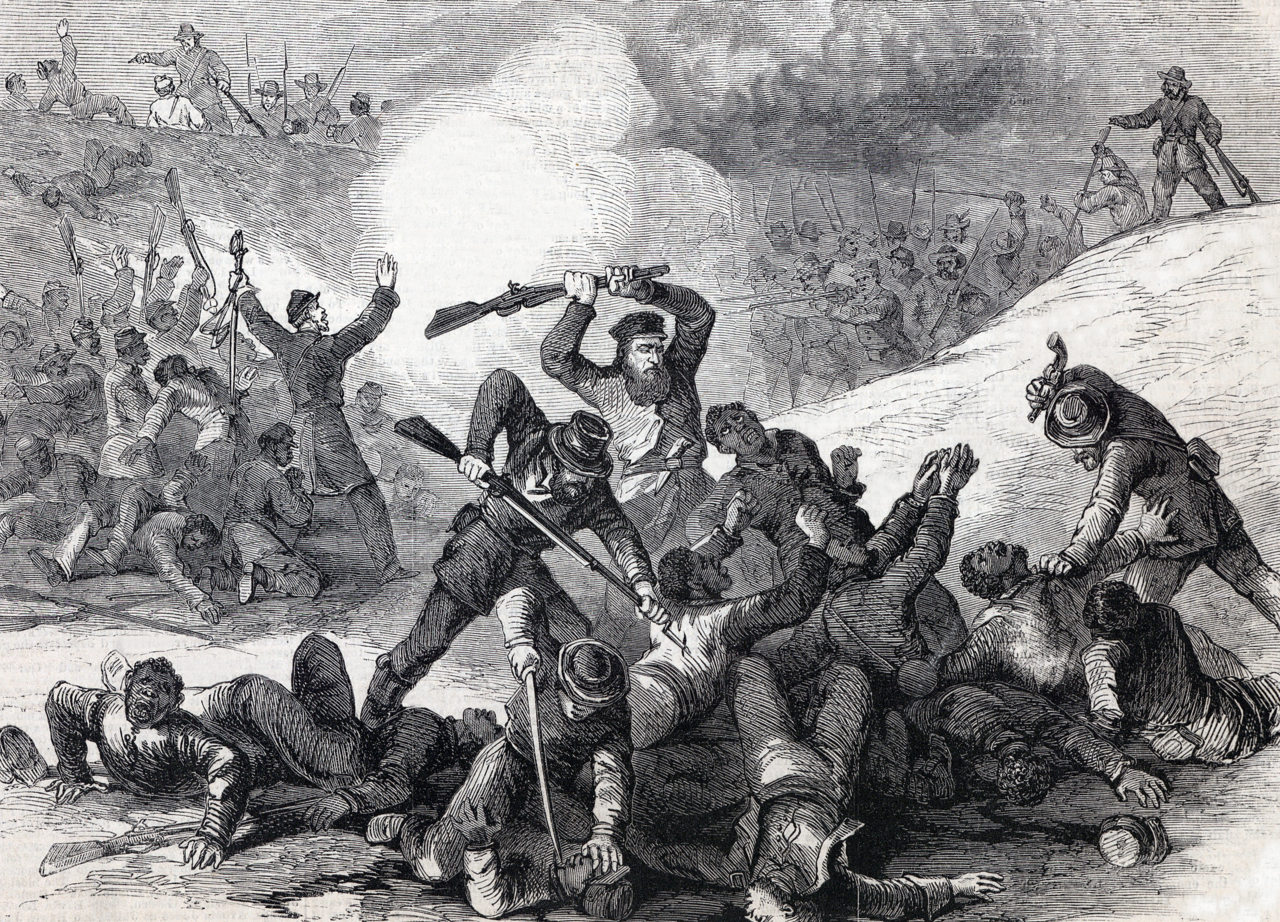
Beyond his military accomplishments, Forrest’s legacy is marred by his actions and beliefs regarding race. Prior to the war, he engaged in the slave trade, viewing enslaved individuals as property. His infamous command of “No Quarter” during the assault on Fort Pillow in April 1864 resulted in the massacre of captured Black soldiers, an event that has led to ongoing debates about the extent of his responsibility for the atrocities committed.
Forrest’s post-war life further complicates his legacy. He is often associated with the Ku Klux Klan, where he allegedly served as the first Grand Dragon. This role cemented his status as a divisive figure, symbolizing the ongoing racial tensions in the United States even after the Civil War had concluded.
Enduring Influence
Forrest’s impact extends beyond the battlefield. His unorthodox tactics are said to have influenced Rommel’s strategies in World War II, particularly in the development of the Blitzkrieg approach. Rommel’s ability to maneuver large numbers of troops and equipment quickly across vast distances echoed Forrest’s earlier successes.
Historically, Forrest is often compared to other military greats like Alexander the Great and Napoleon. Both Shelby Foote, a noted Civil War historian, and his own family recognize his duality as a military genius and a controversial figure. His great-granddaughter’s remark about their family’s view of Abraham Lincoln highlights the complex sentiments that surround Forrest’s legacy.
The state of Tennessee, where Forrest was born, reflects this complexity. He has more parks, schools, and buildings named after him than three of the state’s presidents combined: Andrew Jackson, Andrew Johnson, and James Polk. Such honors provoke discussions about how history remembers figures with complicated legacies.
As Tom Hanks humorously noted in the film “Forrest Gump,” the name itself evokes a mixture of admiration and discomfort. Nathan Bedford Forrest remains a haunting figure in American history, emblematic of the struggle between military innovation and the dark realities of racial violence. His story is a reminder of the multifaceted nature of historical figures, whose legacies can inspire both reverence and revulsion.