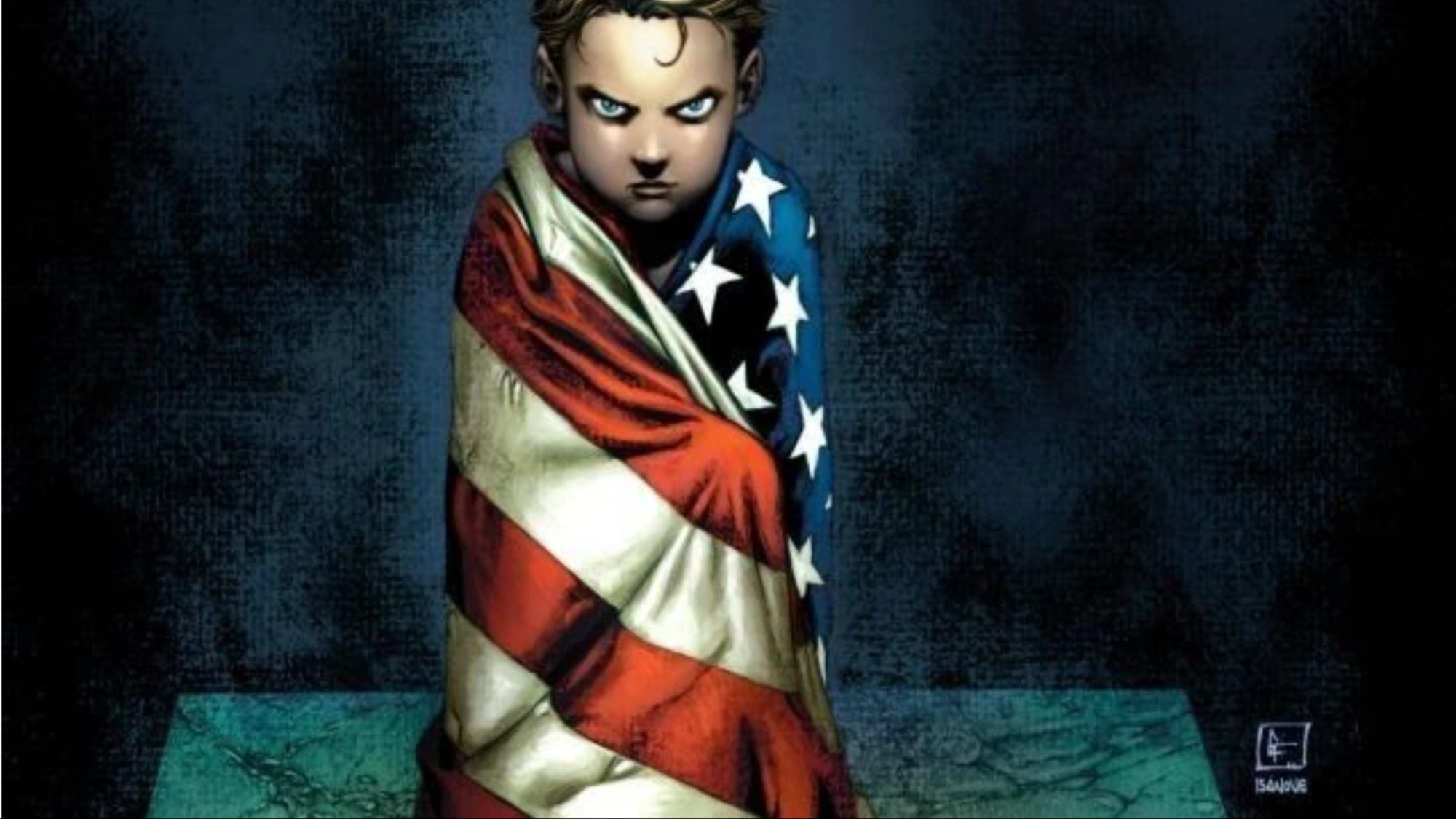
Supreme Power, a comic book series released by Marvel Comics in 2001, sought to redefine the landscape of mature superhero narratives. Created by writer J. Michael Straczynski and artist Gary Frank, the series was a modern reimagining of the 1984 classic Squadron Supreme. Despite its initial acclaim, it has since faded into relative obscurity, overshadowed by other notable works in the genre.
Marvel’s foray into mature readers’ comics began with its MAX line, introduced under the editorial leadership of Joe Quesada. This initiative aimed to reclaim the publisher’s foothold in the comic book market, particularly in response to the success of DC’s Vertigo imprint. While DC established a reputation for thought-provoking and innovative storytelling, Marvel’s attempts remained largely centered around violent superhero narratives that did not resonate as deeply with mature audiences.
The series followed Hyperion, a superpowered individual raised by the government to become a weapon. As superhumans began to emerge, Hyperion’s story evolved into a commentary on government control and the moral complexities associated with power. The narrative delved into relevant sociopolitical themes, particularly in the post-9/11 era, where issues of authority and societal trust were at the forefront of public consciousness.
The Legacy of Squadron Supreme
The original Squadron Supreme series is often regarded as one of the finest tales from the 1980s. It depicted a group of superheroes, modeled after the Justice League, who decided to impose their version of order on society after defeating their greatest rivals. This concept of a “benevolent” dictatorship raised profound ethical questions about governance, freedom, and the nature of heroism.
Straczynski’s retelling in Supreme Power drew upon these themes while introducing new characters and conflicts. The series was notable for its exploration of race and power dynamics, particularly through the character of Knighthawk, a wealthy Black man challenging systemic racism. The interplay between Hyperion and his adversaries transformed the narrative into a broader commentary on societal issues, making it relevant not only within the realm of comics but also in contemporary discussions.
The 18-issue run received positive feedback from fans and critics alike, praised for its storytelling and artistic execution. Gary Frank’s illustrations contributed significantly to the series’ appeal, showcasing a level of detail and dynamism that complemented Straczynski’s narrative. Despite its initial success, Marvel’s decision to transition the series into a standard line ultimately undermined its mature themes.
A Missed Opportunity for Marvel
Marvel’s decision to shift Supreme Power from a mature readers’ format to a more mainstream comic came as a disappointment to many fans. The series had the potential to delve deeper into the complex themes it had introduced, but the pivot to a more commercial approach resulted in a truncated storyline that left readers wanting more. The shift to a regular line ended after just seven additional issues, leaving unresolved plotlines and missed opportunities for character development.
The impact of this decision is still felt among fans today, who reflect on what could have been—a profound exploration of morality and power in the superhero genre. While later attempts to revive the Supreme Power universe, such as Ultimate Power, failed to capture the original’s magic, the initial series remains a significant work in Marvel’s history.
In retrospect, Supreme Power serves as a powerful reminder of the challenges faced by comic book publishers in balancing commercial interests with creative integrity. It stands as a testament to what can happen when a unique vision is compromised in pursuit of higher sales. As readers continue to seek out insightful and mature storytelling in comics, Supreme Power remains a compelling example of what the genre can achieve when given the freedom to explore complex themes without restraint.
What are your thoughts on Supreme Power? Share your views in the comments section and join the ongoing conversation about its legacy in the comic book community.