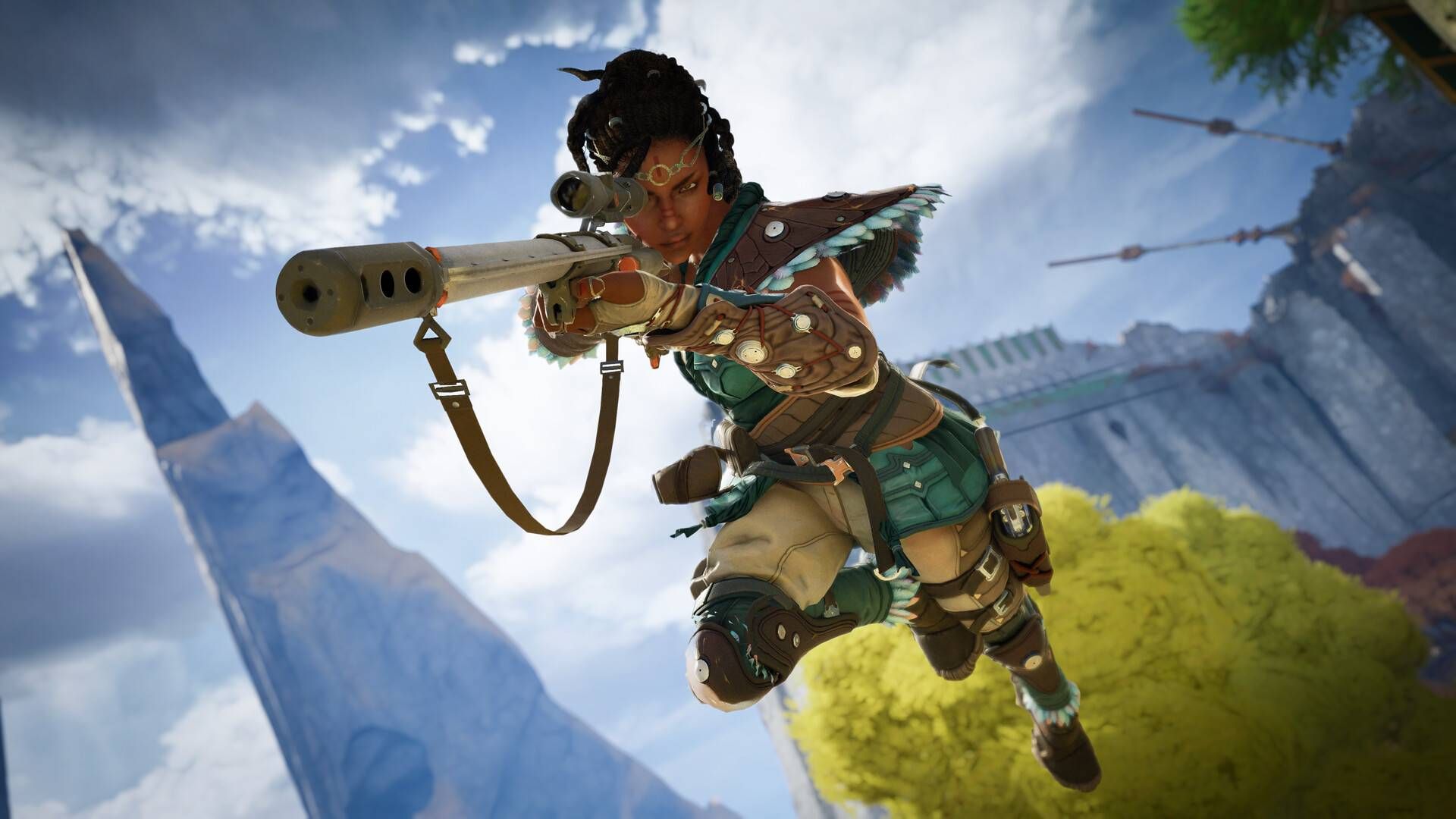
Highguard, the debut game from Wildlight Entertainment, has garnered mixed reviews following its launch. Initially unveiled at The Game Awards last year, the game was anticipated as a team-based multiplayer shooter. However, players have expressed disappointment, particularly with the solo experience, which many reviewers describe as lacking and frustrating.
The game is designed for teams of three to engage in combat while attempting to destroy their opponents’ bases, reminiscent of mechanics seen in both first-person shooters and Multiplayer Online Battle Arenas (MOBAs). Critics argue that Highguard suffers from an identity crisis, attempting to merge too many gaming genres without successfully integrating them.
Gameplay Experience and Mechanics
In essence, Highguard combines elements from various popular games. Players can fortify bases in a manner similar to Rainbow Six Siege, utilize hero abilities akin to Overwatch, and engage in resource gathering reminiscent of survival games. While these concepts may sound appealing, critics highlight that they contribute to awkward pacing and a disjointed gaming experience.
The match structure is described as tedious. Upon starting, players select their loadouts and have a brief period to reinforce their bases. This is followed by a lengthy exploration phase, where players search for weapons, armor, and “vesper,” the in-game currency. During this time, the gameplay often feels stagnant, with little action until the crucial Shieldbreaker item spawns. This item is pivotal for launching raids against enemy bases, but critics note that the excitement is fleeting, particularly if one team is more organized than the other.
Players engaging solo frequently report a lack of engagement, feeling isolated in an expansive map that does not cater to their team size. Many reviewers have remarked that Highguard appears to be better suited for cooperative play. One player noted, “The few games I played with a friend, constantly calling out where enemies are, were by far the best time I had with the game.”
Design Flaws and Future Potential
Despite its potential, Highguard has several design flaws that detract from the overall experience. Notably, there are no player statistics, reporting mechanisms for unsportsmanlike conduct, or a ranked play option. Although some graphical and accessibility settings have been added post-launch, the absence of these features at release led to criticism regarding the game’s readiness.
Feedback suggests that the game might benefit from structural changes. For instance, removing or reworking the wall fortification mechanics could allow for more engaging gameplay. Some reviewers propose introducing player-versus-environment (PvE) elements to maintain activity throughout matches, rather than experiencing long periods of inactivity.
The overall sentiment is that Highguard feels like an early access title that requires further iteration. Many players have expressed that while the foundational mechanics show promise, they are not engaging enough to sustain interest over time. The game is now available on PlayStation 5, Windows PC, and Xbox Series X.
In conclusion, while Highguard exhibits some solid gameplay concepts, its current execution leaves much to be desired. As it stands, the game may struggle to carve out its niche in a competitive market filled with titles that offer more polished experiences.