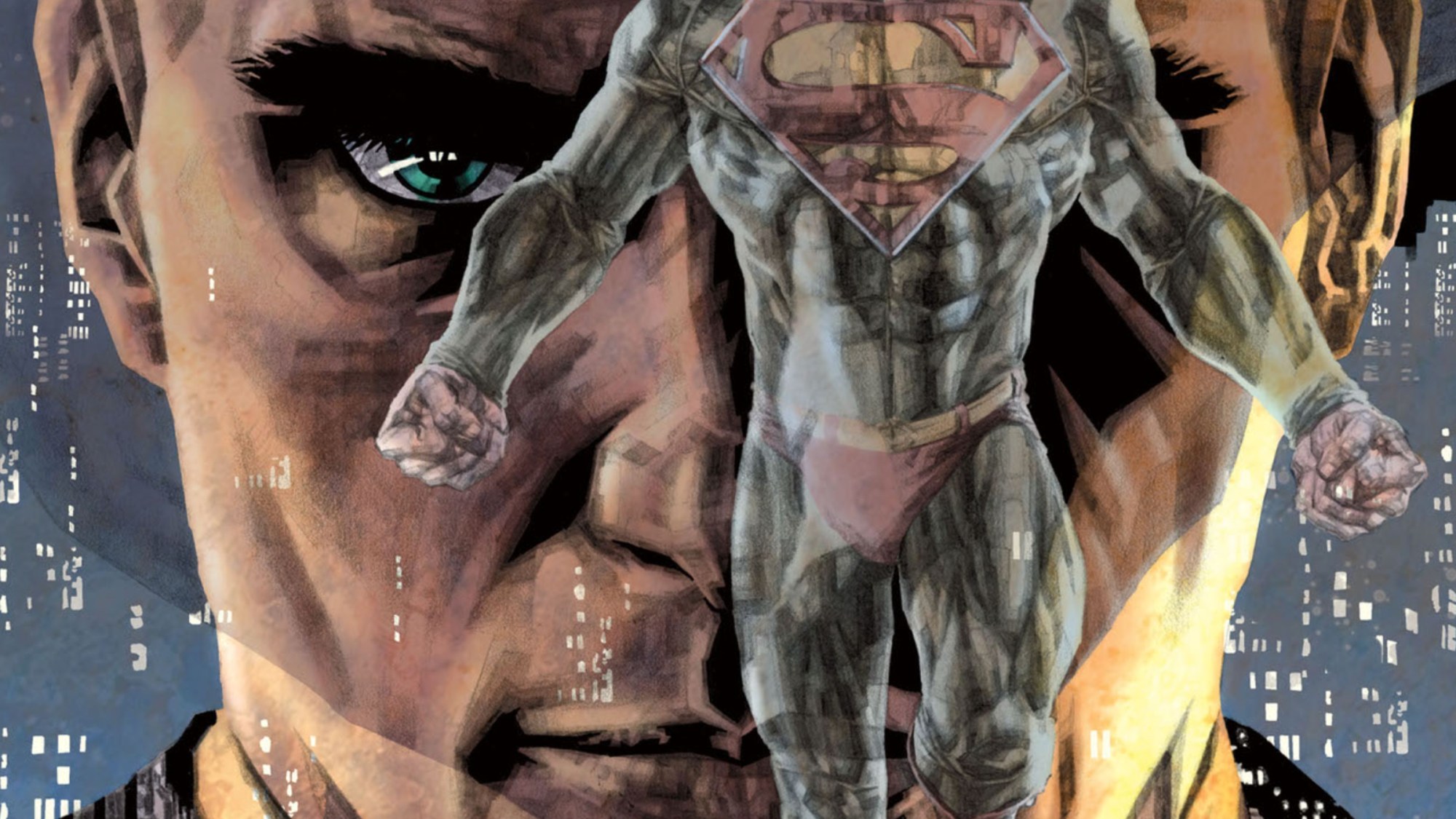
In the latest release of Absolute Superman #16, the dynamic between Superman and his adversaries takes a new twist as Hawkman steps into the spotlight. In this iteration of the narrative, set in the Absolute Universe, Superman faces a unique challenge not from his traditional nemesis, Lex Luthor, but from a fellow hero questioning his approach to heroism. This development marks a significant shift in the multiverse’s portrayal of Superman’s character and the moral dilemmas he encounters.
Superman, known for his unwavering commitment to justice, is confronted by Hawkman, who introduces himself with a warning about the perils of superhero life. Their meeting occurs after Superman’s recent heroic deeds, including the defeat of the notorious villain Ra’s al Ghul. Hawkman, portrayed by writer Jason Aaron and artist Juan Ferreyra, seeks to mentor Superman, suggesting that collaboration with powerful figures, even those with questionable morals, is essential for survival in their universe.
Clashing Ideologies in Heroism
Hawkman’s philosophy starkly contrasts with Superman’s ideals. He argues that instead of battling formidable foes like Lazarus, Superman should ally with them to ensure his longevity as a hero. This perspective highlights a troubling aspect of heroism in the Absolute Universe, where maintaining the status quo often outweighs the pursuit of justice. Superman, however, is resolute in his belief that true heroism involves challenging corrupt systems, even if it means standing alone.
The tension escalates when Metropolis comes under attack from the Absolute Parasite, forcing the two heroes to confront their differences head-on. Hawkman, unsatisfied with Superman’s refusal to heed his advice, employs his mace against him. This confrontation not only showcases their physical abilities but also underscores their conflicting views on heroism. Superman’s frustration with Hawkman’s lack of urgency in addressing the immediate threat reveals the depth of their ideological divide.
As they grapple with their differences, the comic illustrates a compelling narrative about the nature of good and evil. Hawkman’s past actions, including the controversial killing of Oliver Queen, cast doubt on his moral standing. He believes in working within the system, even if it requires compromising his ideals, while Superman strives to dismantle the very structures that perpetuate corruption.
The Future of Their Rivalry
The introduction of this rivalry provides a fresh perspective that may resonate more deeply than Superman’s longstanding conflict with Lex Luthor. While Luthor embodies the classic villain archetype, Hawkman represents a more complex antagonist—a peer who challenges Superman’s understanding of what it means to be a hero. This complexity invites readers to reflect on the broader implications of heroism in a flawed world.
The issue concludes with a cliffhanger that suggests further developments in their relationship. As they prepare to face the Absolute Parasite together, there remains a question of whether Superman can influence Hawkman’s views or if they are destined to remain at odds. This narrative opens the door for rich storytelling that explores the intricate balance between power, responsibility, and the moral choices that define heroism.
As readers delve deeper into the Absolute Universe, the evolving relationship between Superman and Hawkman promises to challenge preconceived notions of good versus evil. Fans are left to ponder the implications of their ideological battle and what it ultimately means for the future of superhero narratives.