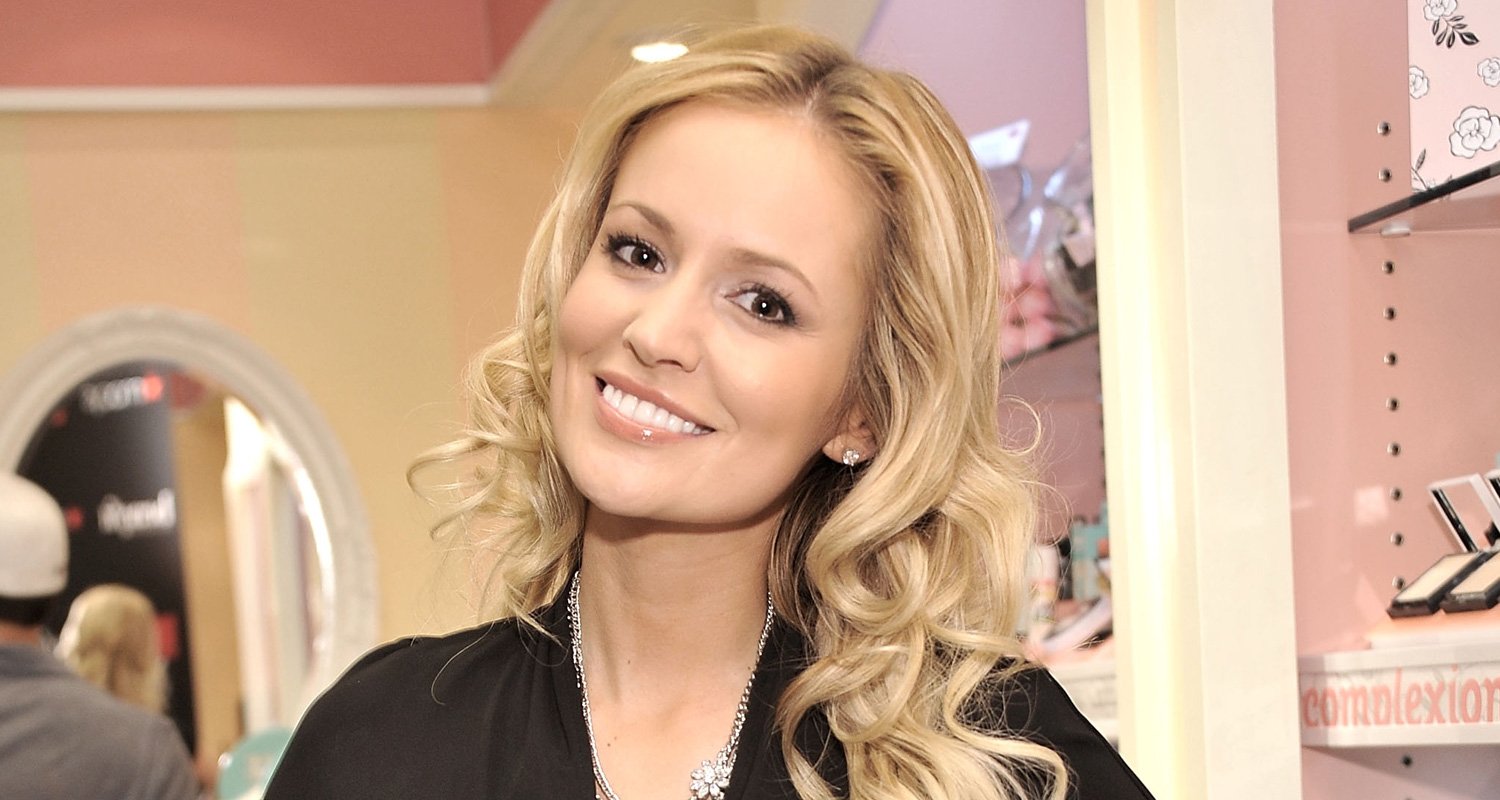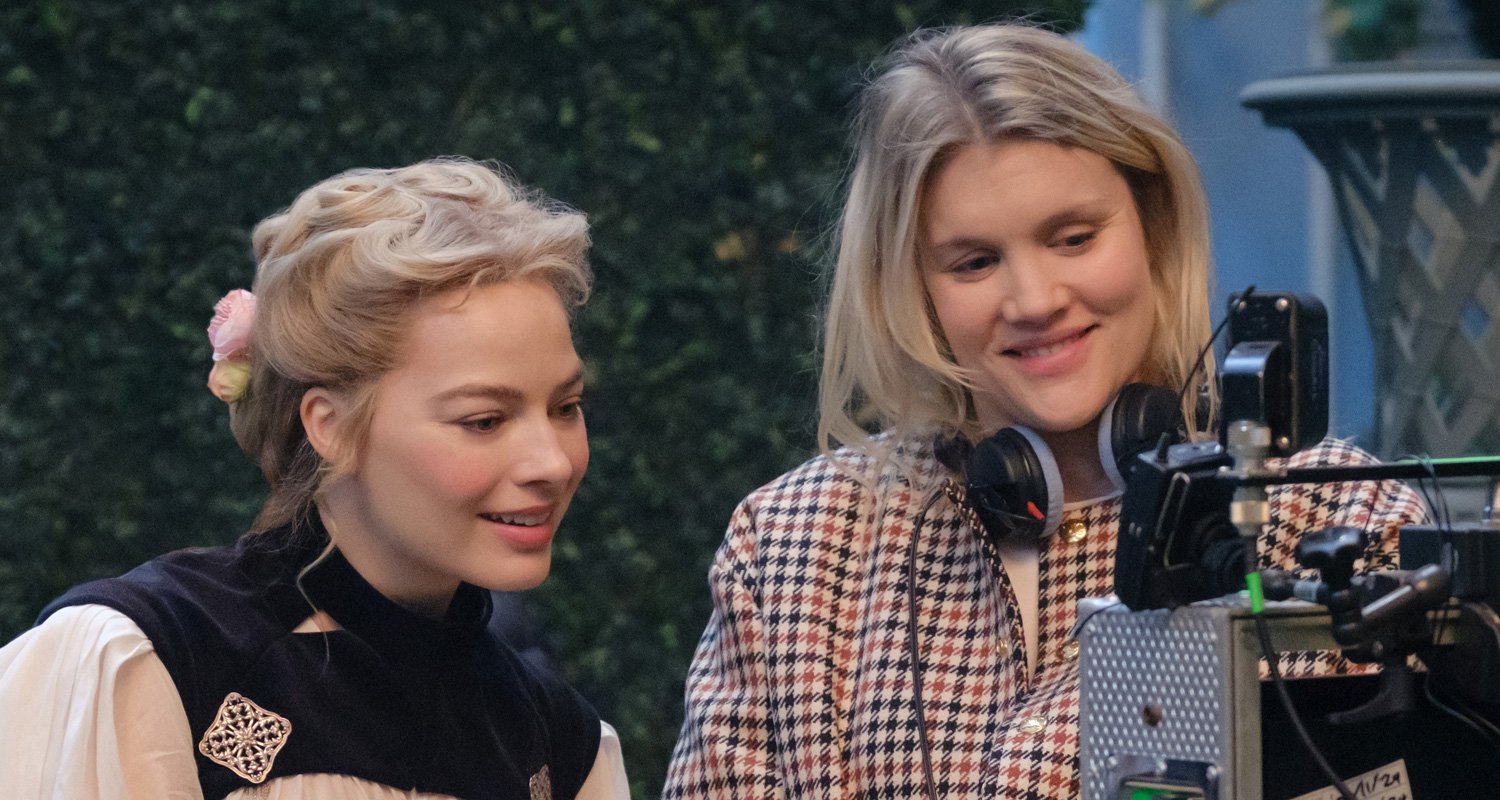
Emerald Fennell, the acclaimed writer and director, has shared insights into the significant changes she made in her adaptation of the classic novel Wuthering Heights. In her latest film, Fennell diverges from the original text, prompting discussion and debate among audiences and critics alike.
In a recent interview with Entertainment Weekly, Fennell explained that her approach to the adaptation was driven by a desire to create a personal interpretation of the narrative rather than a straightforward retelling. “It was funny, you know, I think the things that I remembered were both real and not real,” she remarked, highlighting the blend of nostalgia and creativity that influenced her vision. The filmmaker acknowledged that she consolidated certain characters and plot elements to focus on what she deemed essential for her version.
Creative Interpretation Over Literal Adaptation
Fennell recognized early in the project that she wanted to evoke the emotional resonance of the book. “I wanted to make something that was my response and interpretation to that book and to the feeling of it,” she stated. This led her to prioritize specific themes and relationships, particularly the iconic connection between Cathy and Heathcliff.
She pointed out that many adaptations, including famous works like Kate Bush‘s song and Balthus‘ lithographs, tend to emphasize this central relationship. “That’s really the moment that draws to an end in the book,” she explained, indicating that her focus on the first half of the story stems from this narrative structure.
Fennell admitted that this approach required making “hard decisions” about which characters and scenes to include. “If you’re making a movie, and you’ve got to be fairly tight, you’ve got to make those kinds of hard decisions,” she noted.
Future Visions and Audience Reactions
Reflecting on the constraints of a film format, Fennell expressed a desire for a more expansive exploration of the story. “I would do a mini series and encompass the whole thing over 10 hours, and it would be beautiful,” she said, suggesting that a longer format would allow for a deeper examination of the material.
As audiences prepare to experience Fennell’s adaptation, reactions to the changes have varied. Some viewers embrace her fresh perspective, while others express concern over the liberties taken with the source material. Critics are already weighing in on the film, analyzing how Fennell’s artistic choices will resonate with both fans of the book and newcomers alike.
The release of Fennell’s Wuthering Heights adaptation marks an important moment in the ongoing dialogue about literary adaptations in cinema. As the film continues to garner attention, it remains to be seen how her interpretation will be received and what impact it will have on future adaptations of classic literature.