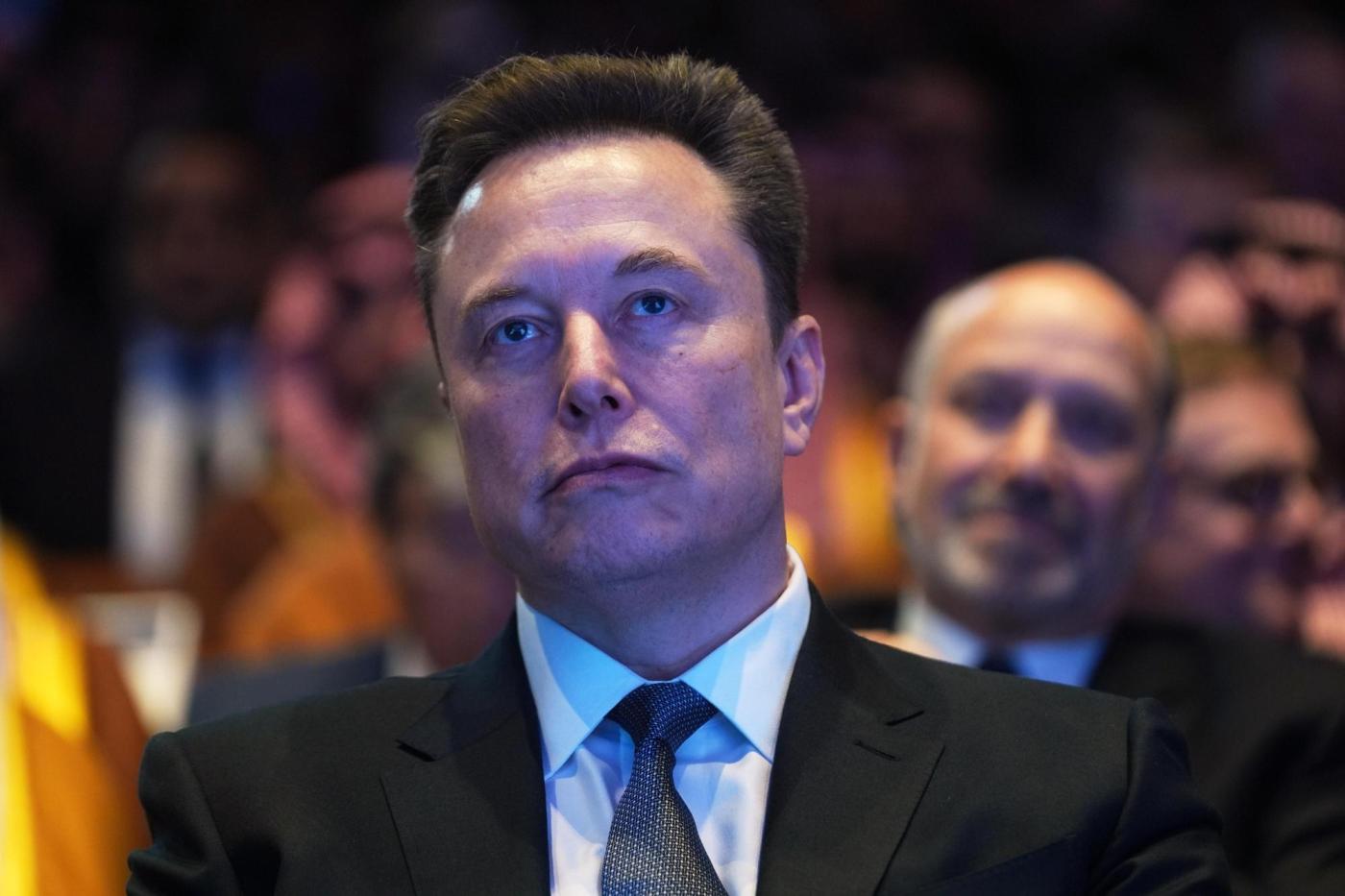
In a recent interview, Elon Musk described his experience leading the Department of Government Efficiency as “somewhat successful,” expressing reluctance to undertake similar efforts in the future. Speaking with Katie Miller, an aide and conservative influencer, Musk reflected on the challenges he faced while managing the controversial agency, which he left earlier this year.
Musk’s Mixed Feelings on Government Efficiency Work
Musk, the CEO of Tesla and SpaceX, acknowledged that his involvement with the DOGE initiative significantly impacted his businesses. He noted, “We were a little bit successful. We were somewhat successful,” highlighting the agency’s struggles to achieve its ambitious goals. Despite these challenges, he maintained a level of support for the efficiency measures introduced under the Trump administration.
When pressed by Miller on whether he would pursue a similar path again, Musk responded, “I don’t think so. … Instead of doing DOGE, I would have, basically, built … worked on my companies.” He reflected on the repercussions of his focus on government initiatives, stating, “They wouldn’t have been burning the cars,” referring to consumer protests against Tesla vehicles.
Financial Implications and Future Prospects
Despite the difficulties associated with DOGE, Musk’s financial prospects have improved since his departure from the administration. Recently, Tesla shareholders approved a pay package that could position Musk to become the world’s first trillionaire. This potential windfall underscores the contrast between his government work and his corporate endeavors.
During the interview, which lasted over 50 minutes, Musk and Miller discussed various topics, including artificial intelligence, social media, and even fashion. While Miller did not delve into the specifics of how DOGE operated, Musk claimed that the agency saved approximately $200 billion annually by reducing “zombie payments” through improved automation and coding in federal payouts.
However, this figure is significantly lower than Musk’s earlier projections, which suggested that the efficiency commission could yield savings in the trillions. The discrepancies in these estimates highlight the complexity and challenges of implementing large-scale government reforms.
As Musk continues to navigate his roles in both the private and public sectors, his reflections on the DOGE initiative reveal a blend of ambition and caution. While he acknowledges some successes, his inclination to focus on his companies suggests a preference for direct involvement in industries where he has seen substantial growth and innovation.