A growing number of celebrities are taking a stand against sexism, transphobia, and other forms of discrimination, using their platforms to call out harmful behavior from individuals and organizations. Recent incidents have spotlighted how stars are not shying away from confronting issues that resonate deeply with their audiences.
Sabrina Carpenter recently criticized the Trump administration for using her song “Juno” in a video related to ICE (Immigration and Customs Enforcement). The video, posted on X (formerly Twitter), features imagery of anti-ICE protests juxtaposed with lyrics that Carpenter deemed inappropriate. She stated, “this video is evil and disgusting. Do not ever involve me or my music to benefit your inhumane agenda.”
Similarly, Olivia Rodrigo expressed her outrage after the Department of Homeland Security posted a video set to her song “all-american bitch.” This video, which included clips of detained immigrants, prompted Rodrigo to assert, “don’t ever use my songs to promote your racist, hateful propaganda.” Following her protest, the song was removed from the video.
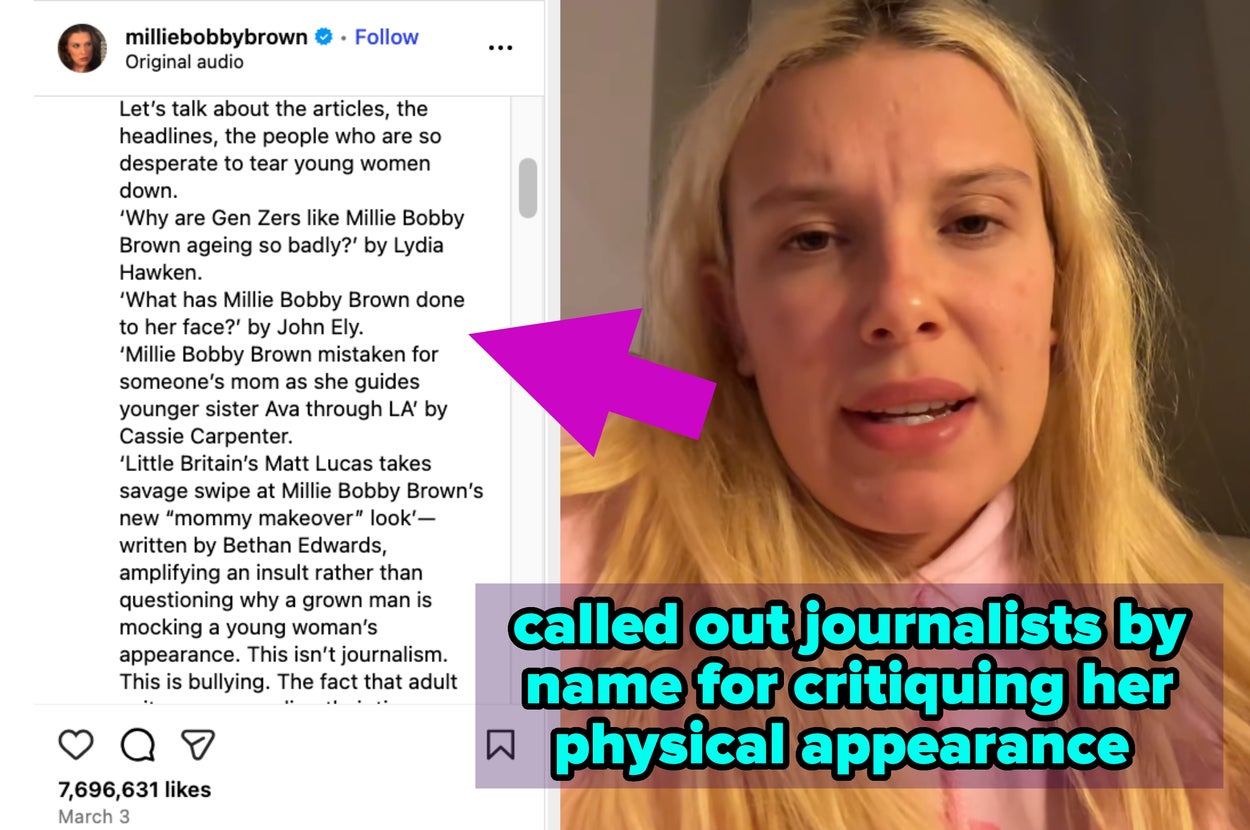
In a powerful Instagram post, Millie Bobby Brown confronted media scrutiny regarding her appearance, calling out journalists who criticized her for aging. She stated, “This isn’t journalism. This is bullying… I will not be shamed for how I look, how I dress, or how I present myself.” Brown’s comments highlight a concerning trend of public figures facing undue criticism for personal choices.
The music industry has also seen its share of confrontations. Hayley Williams openly condemned country artist Morgan Wallen for his past racist remarks, stating, “I’m always talking about Morgan Wallen, I don’t give a shit.” This bold assertion came after Wallen faced backlash for using a racial slur. Additionally, fellow artist Maren Morris criticized Wallen for a lack of accountability in the industry, noting, “we keep them rich and protected at all costs with no recourse.”
Morris has also taken a stand against anti-trans sentiments, specifically targeting Brittany Aldean, the wife of country singer Jason Aldean, who made controversial remarks regarding gender identity. Morris responded by calling Aldean “Insurrection Barbie” and promoting a T-shirt fundraiser to support trans rights organizations.
The entertainment world is not limited to music. In 2020, actress Samantha Ware accused Lea Michele of creating a toxic environment on the set of “Glee,” calling her behavior “traumatic microaggressions.” This prompted a broader conversation about accountability in Hollywood, with other cast members supporting Ware’s claims.
In a significant moment, Rihanna made headlines in 2018 when she demanded that her music not be played at Trump rallies, stating that she would “never be at or around one of those tragic rallies.” Her firm stance exemplifies the way artists are distancing themselves from political figures they oppose.
In 2021, Lucy Liu addressed past sexist behavior from co-star Bill Murray during the filming of “Charlie’s Angels,” stating that she refused to tolerate disrespect, even as an emerging actress. Liu’s story serves as a reminder that standing up against inappropriate behavior is essential, regardless of one’s position in the industry.
Furthermore, in response to a sexist question about her marriage to Tom Cruise, Nicole Kidman expressed her frustration over being defined by her past relationships. She highlighted the disparity in how questions are framed for men versus women, stating, “I’m not sure anyone would say that to a man.”
Additionally, Lili Reinhart criticized Kim Kardashian for promoting unhealthy dieting habits, expressing concern over the impact such messages have on young audiences. Reinhart’s comments reflect a growing awareness of the responsibilities celebrities hold as role models.
As the dialogue surrounding these issues continues, public figures like Daniel Radcliffe, Emma Watson, and Rupert Grint from the “Harry Potter” franchise have vocalized their support for the transgender community in light of J.K. Rowling‘s controversial statements. Radcliffe emphasized the need to support marginalized voices, stating, “Transgender women are women.”
In a recent revelation, actress Rebel Wilson accused comedian Sacha Baron Cohen of harassment during the filming of “The Brothers Grimsby,” sharing her experience of being threatened over a chapter in her memoir about the incident. Wilson’s bravery in sharing her story sheds light on the pervasive issues of harassment within the industry.
These examples illustrate a growing trend among celebrities to leverage their influence in the fight against discrimination and injustice. As they continue to speak out, their messages resonate with audiences, encouraging a broader societal dialogue about respect, accountability, and the importance of standing up against harmful behavior.