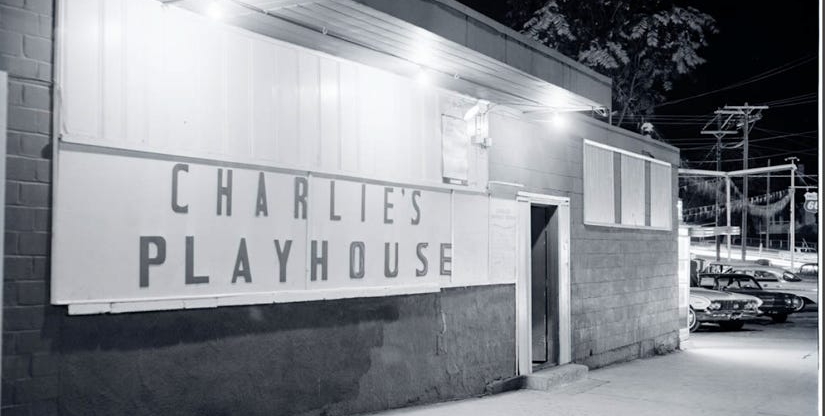
In honor of Black History Month, Austin reflects on the significant cultural contributions of Charlie’s Playhouse, a venue that became a cornerstone of the city’s Black community from its opening around 1958 until its closure in 1973. Owned by local businessman Ernest “Charlie” Gildon, the club was located at 1206 East 11th Street, an area known for its vibrant Black cultural heritage.
Before Gildon’s acquisition, the building had housed other establishments like the Show Bar and the Black Cat. During a time of segregation, Charlie’s Playhouse emerged as a vital gathering place, providing a space for live music, dancing, and socializing in a city where options for Black residents were severely limited. The venue became part of the Chitlin’ Circuit, a network of clubs across the United States that welcomed Black performers, allowing them to showcase their talents despite widespread racial discrimination.
Musical Heritage and Community Impact
Throughout the 1960s, Charlie’s Playhouse hosted live bands five nights a week, establishing itself as a hub for local musicians and national acts alike. Notably, Austin native and musical icon Blues Boy Hubbard was instrumental in defining the club’s unique sound alongside groups like The Jets. The venue also welcomed renowned acts such as Hank Ballard and The Midnighters, who are famously known for recording the original version of “The Twist.”
As societal changes began to take root in Austin, the dynamics of the club started to shift. The mid-1960s saw the advent of limited school integration, which continued to evolve until full desegregation was mandated by federal intervention around 1970. During this period, white students from the nearby University of Texas began to frequent Charlie’s, altering the atmosphere of a venue that had long been a sanctuary for the Black community. This transition led to a decline in regular Black patrons, as many began to seek out venues that had once been exclusively for their community.
“All the customers and the patrons, they left and went across the freeway,”
recalled Donald “Duck” Jennings, a frequent performer at Charlie’s and a member of The Jets, reflecting on the club’s changing audience.
In 1971, the closure of L.C. Anderson High School, the first public high school for Black students in Austin, further underscored the shifting landscape. As the city grappled with integration, Charlie’s Playhouse found itself facing an uncertain future. The club briefly operated under the name Twink’s Playhouse before closing its doors for good in early 1973. After its closure, the building underwent several transformations, becoming the Mexican restaurant La Cucaracha before ultimately being demolished.
Enduring Legacy of Charlie’s Playhouse
Today, a four-story condominium stands where Charlie’s Playhouse once thrived, yet its legacy remains an indelible part of Austin’s music history. The establishment not only offered a stage for emerging talent but also fostered a sense of community during a time of profound racial divide.
As Austin continues to grow and evolve, the memory of Charlie’s Playhouse serves as a poignant reminder of the city’s rich Black cultural heritage. The venue played a crucial role in shaping the music scene and providing a social space for African Americans during a time of segregation and racial inequality.
As we celebrate Black History Month, it is essential to honor and remember the contributions of venues like Charlie’s Playhouse that have shaped the cultural landscape of cities like Austin. Their stories remind us of the importance of community, resilience, and the enduring power of music.