The United States is significantly increasing investments in nuclear power, marking a potential revival in the sector. This initiative aligns with the clean energy goals outlined by former President Donald Trump, who has set ambitious targets for the growth of nuclear capacity. With plans supported by both public and private funding, the U.S. aims to expand its nuclear power infrastructure, encompassing a range of projects from conventional reactors to small modular reactors (SMRs).
Future Outlook for Nuclear Power
While it may take over a decade to see substantial changes in the nuclear landscape, experts are eyeing 2026 as a pivotal year for this resurgence. The current decade is projected to see the highest number of nuclear projects initiated since the 1970s, following years of stagnation. In October, the Trump administration announced a partnership with Westinghouse Electric Company and its co-owners, Brookfield Asset Management and Cameco, to develop a fleet of new large-scale reactors valued at a minimum of $80 billion. This investment will primarily target Westinghouse’s AP1000 pressurized water reactors, which can generate approximately 1.1 gigawatts (GW) of electricity each.
Despite previous delays and the high costs associated with reactor production, government funding is expected to pave the way for several new nuclear reactors. The administration hopes that lessons learned from prior setbacks will enhance the efficiency of future developments. In May 2022, Trump signed four executive orders aimed at expediting the licensing process for new reactors and reforming the Nuclear Regulatory Commission (NRC).
Global Partnerships and Technological Innovations
As part of the broader strategy, the NRC is working on regulations to implement these orders, including the removal of redundant rules that could hinder progress. The SMR sector is poised for growth in 2026 after facing licensing delays and challenges in accessing enriched uranium, particularly in the aftermath of the Russian invasion of Ukraine and subsequent sanctions.
In a notable international collaboration, the Japanese government has committed to a $550 billion trade agreement with the U.S. to bolster nuclear development. Japanese companies such as Mitsubishi Heavy Industries, Toshiba Group, and IHI Corp. have pledged up to $100 billion in investments for the construction of both AP1000 reactors and SMRs.
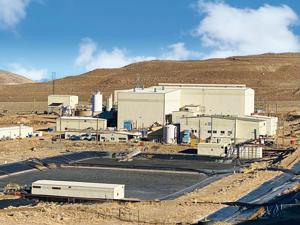
Innovative technologies are also emerging in the field. TerraPower, co-founded by Bill Gates, is advancing plans for its own fleet of SMRs. The company aims to establish the Western Hemisphere’s first Natrium reactor in Kemmerer, Wyoming, which will utilize liquid sodium for cooling, enhancing safety and efficiency. Following the completion of a final safety evaluation by the NRC in December, TerraPower is on track to proceed with its plans, pending permit approval. The facility is expected to generate between 345 MW and 500 MW of clean energy by 2030.
Several technology giants, including Facebook and Meta, have already signed contracts with nuclear energy companies to secure clean energy supplies for their data centers by the 2030s. This initiative not only supports their operational needs but also aligns with their climate objectives. The financial commitments from these tech firms are expected to accelerate the development of new conventional reactors and SMRs, contingent on NRC approvals.
To realize the potential of this nuclear renaissance, a skilled workforce will be essential. Recent years have seen a decline in employment opportunities within the sector, with many trained professionals transitioning to other energy industries due to a lack of ongoing work. The U.S. will need to invest in workforce development to rebuild its nuclear construction capabilities, reduce costs, and minimize delays.
Despite the promising outlook for 2026, the U.S. must navigate the challenges posed by a competitive global landscape. As other nations expand their nuclear capacities, the U.S. is working to reclaim its position in nuclear development. While the path forward is ambitious, the coming years will be critical in determining the success of this nuclear revival.