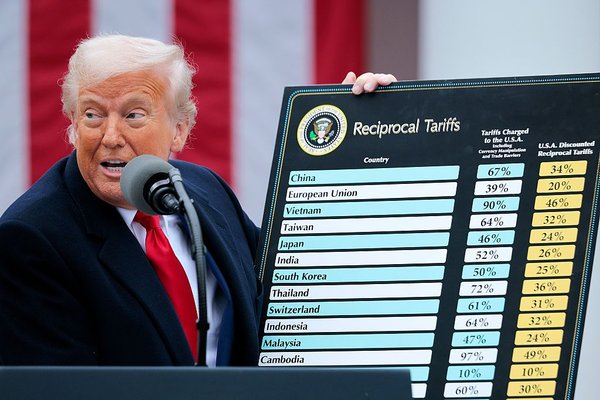
A recent report from the Congressional Budget Office (CBO) has highlighted the negative impact of tariffs imposed by former President Donald Trump on the U.S. economy. The findings suggest that these tariffs are not only ineffective in achieving their intended goals but are also causing significant economic harm by reducing growth prospects.
The CBO, an independent federal agency, released its report on October 17, 2023. It estimates that the tariffs could reduce the United States’ economic growth by as much as $1.5 trillion over the next decade. This reduction represents a decrease in the projected growth rate from 2.6% to approximately 2.4% annually.
Tariffs were introduced during Trump’s administration as part of an effort to protect American industries and reduce trade deficits. However, the CBO argues that these measures have resulted in higher costs for consumers and businesses alike. The report indicates that the increased prices of imported goods have led to a decrease in domestic consumption, ultimately contributing to slower economic growth.
The report also highlights the broader implications of the tariffs on employment and investment. According to the CBO, the economic slowdown could lead to the loss of approximately 900,000 jobs by 2024, further straining the labor market. Additionally, the uncertainty surrounding trade policies may deter foreign investment, impacting the overall business climate in the United States.
Critics of the tariffs have long maintained that the measures disproportionately affect lower-income households, which spend a larger share of their income on consumer goods. The CBO report supports these claims, noting that the tariffs have led to increased prices for essential items such as clothing, electronics, and food.
While the CBO’s findings present a strong case against the tariffs, the political discourse surrounding trade policies remains contentious. Proponents of the tariffs argue that they are necessary to protect American jobs and industries from unfair competition. However, the CBO’s analysis challenges this narrative, indicating that the long-term economic consequences may outweigh any short-term benefits.
As the United States approaches the 2024 presidential election, discussions about trade policies and their implications for the economy are likely to intensify. The CBO report serves as a critical reminder of the potential consequences of protectionist measures in an increasingly interconnected global economy.
In conclusion, the CBO report underscores the importance of evaluating the impact of tariffs on economic growth and employment in the United States. The findings highlight the need for a comprehensive approach to trade policy that balances the interests of consumers, businesses, and the overall economy, rather than relying on measures that may inflict self-harm.