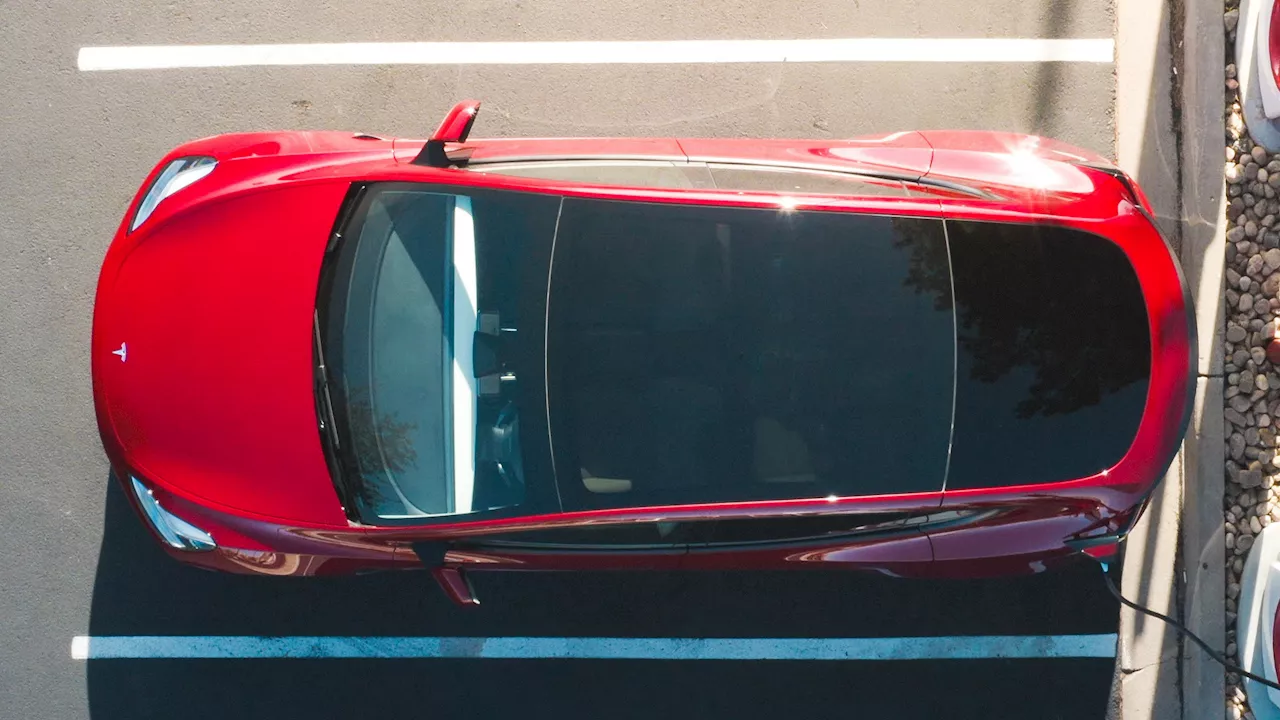
A federal judge has upheld a jury’s $243 million verdict against Tesla, rejecting the automaker’s request to overturn the decision regarding a 2019 crash involving its Autopilot system. U.S. District Judge Beth Bloom in Miami ruled that the evidence presented during the trial sufficiently supported the jury’s findings, which determined Tesla was 33% responsible for the incident. This ruling comes as Tesla prepares to launch its fully autonomous vehicles.
The jury awarded $19.5 million in compensatory damages to one victim’s family and $23.1 million to another, in addition to $200 million in punitive damages to be divided between them. The crash resulted in one fatality and several injuries. The driver of the Tesla admitted he was distracted at the time, searching for his phone when the vehicle left the roadway and struck another car. He had believed the Autopilot system would automatically brake if an obstacle was present.
Tesla’s legal strategy has often involved defending its Autopilot and Full Self-Driving systems against various claims. The company argued that the driver was solely at fault, asserting that automakers are not responsible for damages caused by reckless behavior. Tesla contended that the punitive damages awarded were excessive and asserted that it had not acted with “reckless disregard for human life” under Florida law.
Significance of the Verdict
This ruling marks a significant moment as it is the first time a federal jury has ruled on a fatal crash involving Tesla’s Autopilot technology. Historically, the company has managed to either win or reach settlements in similar cases. The decision could have broader implications as Tesla advances its plans for fully autonomous vehicles, with driverless Teslas already operating on public roads in places like Austin, Texas.
While Tesla has indicated it will appeal the decision to the Eleventh Circuit, the appellate court may not revisit the factual circumstances of the case. Instead, it could consider legal arguments surrounding the judge’s decisions and whether the damages awarded exceeded Florida’s legal limits.
According to Reuters, Judge Bloom stated that Tesla did not present any new arguments that would justify a reversal of the jury’s verdict. The case, therefore, is likely to continue as Tesla seeks to challenge the ruling, potentially setting the stage for further legal battles related to its Autopilot system.
As the automaker continues to innovate and promote its self-driving technology, this verdict serves as a reminder of the legal challenges it faces in the evolving landscape of autonomous vehicles. The outcome of the appeal could influence not only Tesla’s future operations but also the regulatory environment surrounding self-driving cars.