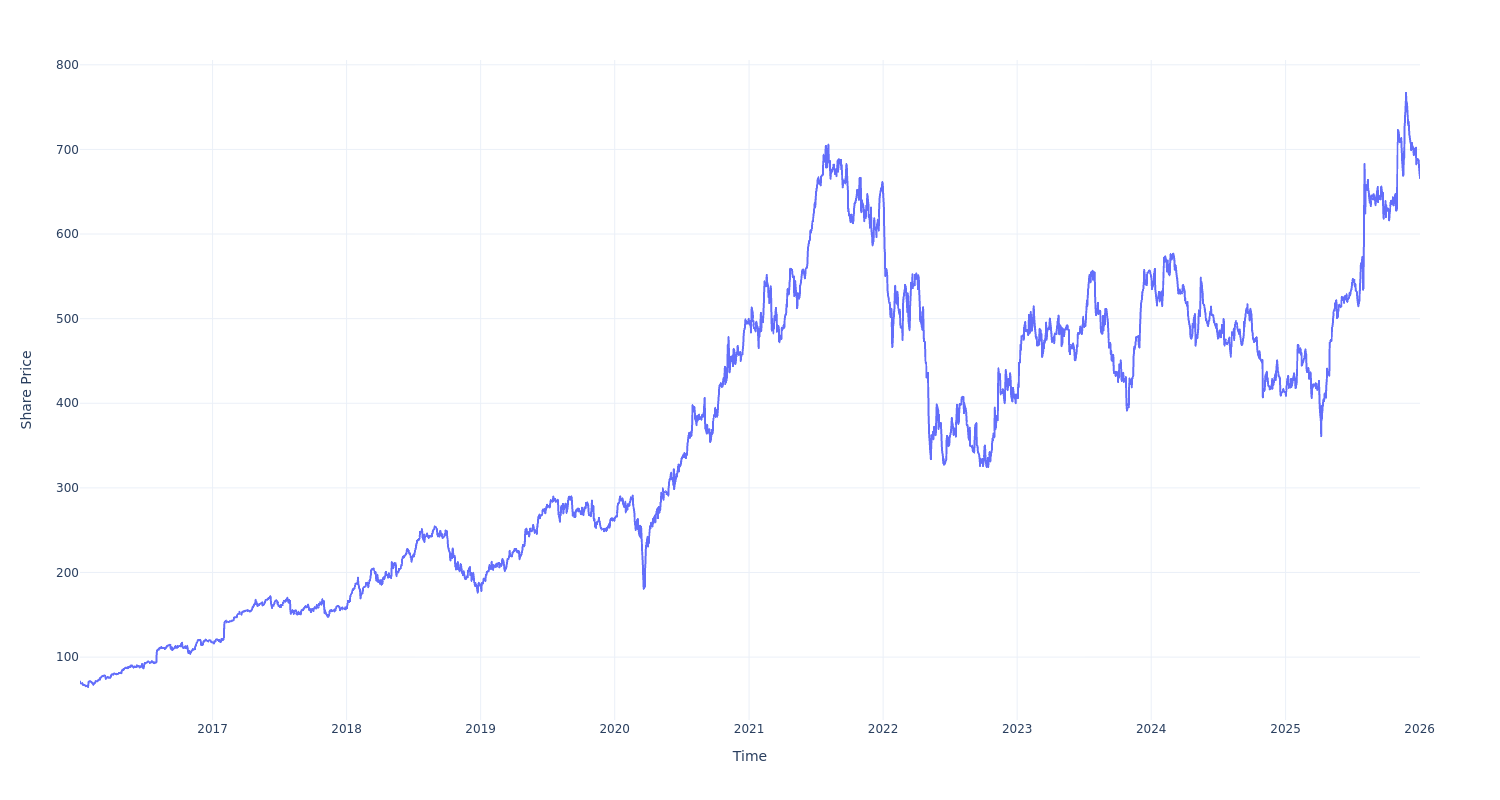
QuinStreet (NASDAQ: QNST) reported strong earnings for fiscal second-quarter 2026, surpassing management’s expectations. The company attributed this performance to robust demand in auto insurance and opportunities in home services, bolstered by the recent acquisition of HomeBuddy. On the earnings call, CEO Doug Valenti highlighted that QuinStreet “exceeded our outlook for both revenue and Adjusted EBITDA,” indicating ongoing progress in strategic initiatives across the business.
CFO Greg Wong noted that the December quarter marked the company’s “second consecutive quarter of record revenue,” despite being traditionally the lowest revenue period in their fiscal year. The results reflect a diverse performance across different client verticals, with financial services generating 75% of total revenue, amounting to $216.8 million, a slight decline of 1% year-over-year. Home services experienced a 13% increase, contributing $71 million to the quarterly revenue.
Within the financial services sector, auto insurance displayed significant strength, with a sequential growth of 6% compared to the prior quarter, although it faced a year-over-year decrease of 2% due to exceptionally high spending from insurance carriers in the previous year. Wong remarked on the growth in non-insurance financial services, including personal loans and credit cards, which rose by 10% year-over-year.
Valenti expressed optimism regarding the future of auto insurance revenue and margins, citing strong fundamentals in the marketplace and an expanding “product, market, and media” footprint. He asserted that the company is well-positioned for continued growth in this segment.
Home Services Expansion and Acquisition Insights
QuinStreet’s home services division is performing well, currently running at an annual revenue rate of nearly $300 million. Following the acquisition of HomeBuddy, this figure is expected to rise significantly, potentially reaching between $400 million and $500 million per year. Valenti referred to home services as the company’s “largest addressable market,” maintaining a strongly positive outlook for both short-term and long-term growth.
Wong detailed the terms of the HomeBuddy acquisition, which was finalized shortly after the end of the quarter in early January. The management anticipates that HomeBuddy will generate at least $30 million in Adjusted EBITDA within the first year of operation. Valenti emphasized the strategic advantages of this acquisition, particularly the introduction of auction-driven exclusive leads, which enhance QuinStreet’s media capabilities in meeting client demands.
During the call, Valenti addressed the seasonal dynamics impacting the home services market, indicating that the March quarter is typically the weakest due to weather factors, while the June and September quarters are usually the strongest.
AI Integration and Future Outlook
Responding to concerns regarding AI disruption, Valenti noted that QuinStreet has experienced “only net positive trends,” stating that AI-driven searches have created more opportunities for the company’s campaigns. He argued that fears surrounding AI disintermediation are exaggerated for many business models, emphasizing that QuinStreet’s proprietary data and technology position it well to capitalize on AI advancements.
The company has been incorporating AI into its operations since 2008, particularly in its core marketplace algorithms. Valenti asserted that QuinStreet does not depend on generic data, which could be more susceptible to AI replacement. Regarding talent acquisition, he stated that the company is not facing challenges in attracting or retaining skilled professionals.
Wong reported that QuinStreet ended the quarter with $107 million in cash and equivalents and no bank debt. The GAAP tax provision for the quarter included a one-time, non-cash benefit of $48 million related to the reversal of a valuation allowance against deferred tax assets established in fiscal 2023.
On capital allocation, Wong reiterated the company’s commitment to disciplined investment in new products, strategic acquisitions, and share repurchases. He outlined three key strategies aimed at achieving a quarterly Adjusted EBITDA margin of 10% in fiscal 2026, which include expanding higher-margin media capacity, shifting towards higher-margin products, and leveraging operational efficiencies.
Looking forward, QuinStreet continues to expect full-year revenue growth of at least 10% and Adjusted EBITDA growth of at least 20%, excluding the impact of HomeBuddy. Valenti also highlighted ongoing initiatives to broaden the insurance footprint beyond direct-carrier clicks, including leads, calls, and agent-driven models, projecting new products to generate significant variable-margin revenue in the current fiscal year.
QuinStreet, Inc. operates a technology-driven performance marketing platform that connects businesses with prospective customers across multiple verticals, specializing in data-driven lead generation for sectors such as financial services, education, insurance, healthcare, and home services. By utilizing proprietary targeting algorithms and real-time analytics, QuinStreet optimizes customer acquisition and retention through tailored digital marketing campaigns.