The ongoing legal battle over Missouri’s $50 million private school voucher program, known as MOScholars, took center stage in Cole County Circuit Court this week. The trial revealed that over 98% of scholarships awarded this school year are financed by taxpayers, prompting questions about the program’s funding sources and eligibility checks.
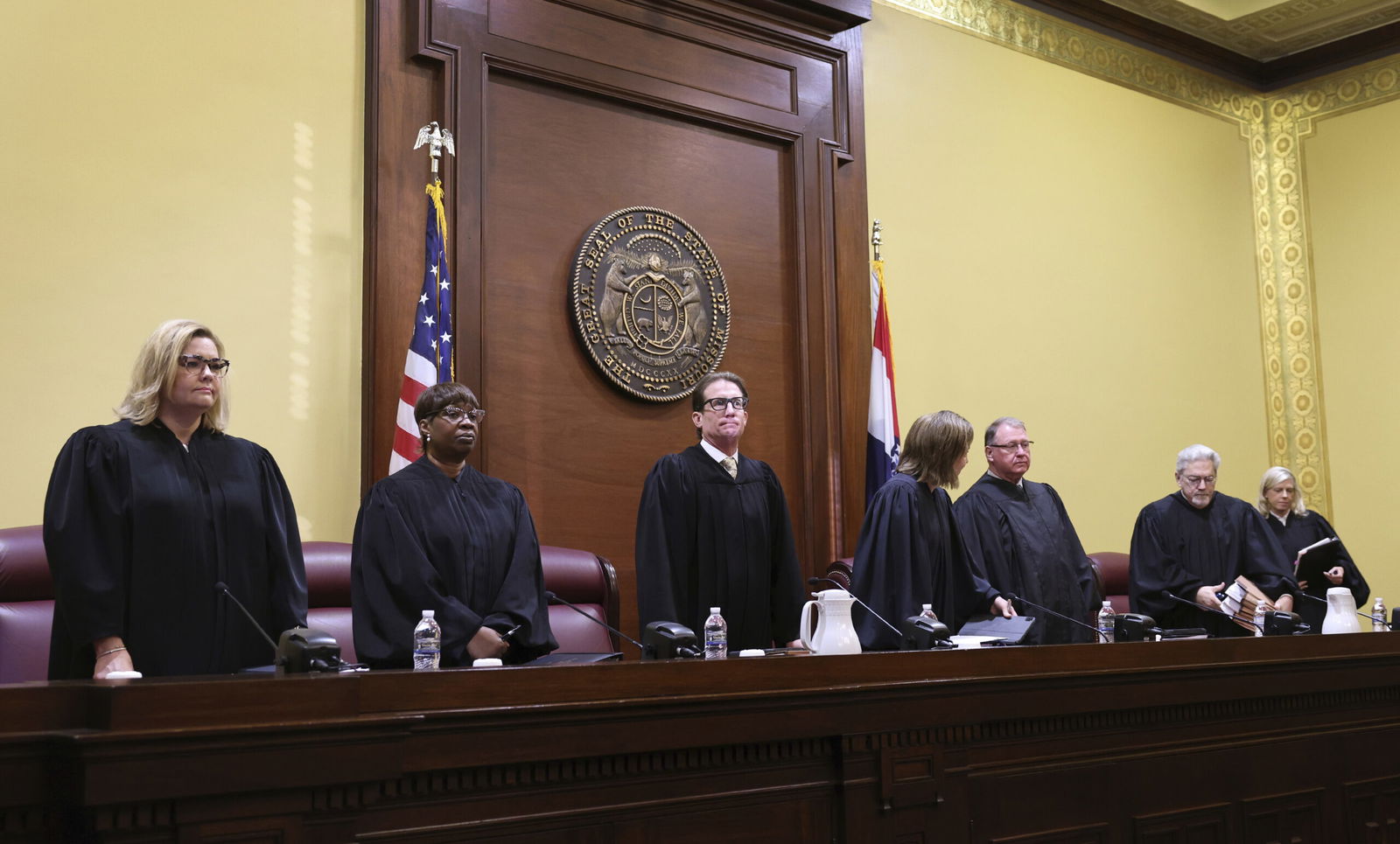
The crux of the case revolves around whether the state can allocate general revenue for private school tuition. The Missouri Attorney General’s Office argues that this funding is essential for the program’s success, while the Missouri National Education Association contends that such funding is unlawful. Testimonies during the trial have highlighted significant concerns regarding the mechanisms and management of the MOScholars program.
Established in 2021, MOScholars provides scholarships to K-12 students who meet specific criteria. The program initially relied on donations, which are eligible for a 100% tax credit, with total donations reaching $33.8 million over its first three years. However, in January 2023, Governor Mike Kehoe announced plans to enhance the program with a $50 million appropriation from general revenue, allowing the state to nearly triple the number of scholarships awarded this fall.
According to Peter Donahue, Assistant Attorney General, without this general revenue, many new scholarship recipients would not have been able to participate in the program. As of this school year, only 111 scholarships were funded through tax credits, with the vast majority relying on state funds. The implications of this funding structure have raised eyebrows, especially given the timing of donations, which often arrive too late to meet tuition deadlines.
The testimony from Trent Blair, the treasurer’s director of programs, illuminated further issues. He acknowledged that the educational assistance organizations managing the funds often faced challenges in timely disbursement. In 2023, two organizations indicated they utilized their private funds to pay tuition upfront, later reimbursing themselves with state donations. This, Blair noted, has been crucial in stabilizing the program.
The eligibility criteria for MOScholars stipulate that students must have an individualized education plan or come from families earning at or below 300% of the income threshold for free and reduced-price lunches. However, during cross-examination, Loretta Haggard, representing the Missouri NEA, highlighted a lack of oversight regarding the ongoing eligibility of renewal students. The treasurer’s office has not verified whether returning students continue to meet these requirements, raising concerns about the integrity of the program.
Blair confirmed that once a student qualifies, the system presumes they maintain their eligibility, including for siblings of current scholarship recipients. This admission points to a significant gap in oversight compared to other state-administered programs, such as food assistance and Medicaid, which routinely reevaluate eligibility.
Despite the procedural issues raised during the trial, Bryan Cleveland, an attorney with EdChoice, emphasized that the case’s legality hinges on statutory interpretation rather than the administration of the program. He stated, “The case does not depend on whether any one treasurer is doing a good job but rather on interpretation of statutory provisions.”
As the trial concluded, Cole County Judge Brian Stumpe denied a request for a temporary restraining order to halt the spending of general revenue during the proceedings. A decision is anticipated after December 8, 2023, when post-trial filings are due.
This legal challenge not only highlights the complexities of the MOScholars program but also underscores the broader debate surrounding the use of taxpayer money for private education in Missouri. The outcome may have significant implications for future funding and policy decisions in the state.