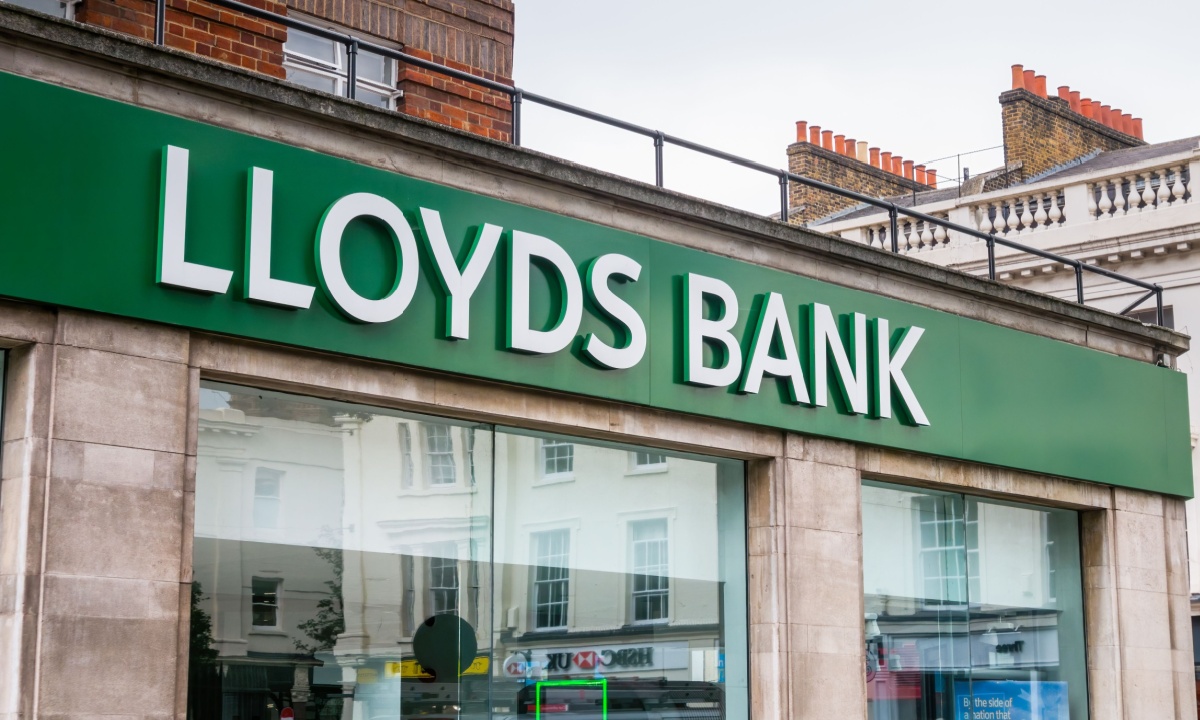
The CEO of Lloyds Bank, Charlie Nunn, has proposed that tokenization could significantly enhance the home-buying experience in the United Kingdom. In an interview with the Financial Times, published on January 7, 2024, Nunn highlighted how “deposit tokenization” could revolutionize interactions for the bank’s 23 million digital customers, likening its transformative potential to the introduction of smartphones.
Nunn emphasized that using blockchain technology to manage customer deposits could create a more intuitive and streamlined banking process. He stated, “The moment you picked up your first smartphone it was incredibly intuitive and joined up. We think in these next five years using these technologies could be that ‘wow moment’ where suddenly you realize it is more personalized, more intuitive and simpler.” This assertion reflects a growing trend among financial institutions toward leveraging technology for improved customer experiences.
Transforming Mortgage Processes
Mortgage lenders, including Lloyds, are looking to implement smart contracts that could eliminate various intermediaries and reduce the lengthy procedures traditionally associated with home purchases. The Financial Times described the home-buying process in the U.K. as notoriously slow, with multiple stages of conveyancing, document sharing, and payment exchanges that could be automated through smart contracts.
“Take mortgages: the whole conveyancing, document sharing, value exchange and payments process can be built into a smart contract, and the whole thing can be guided with or without a broker,” Nunn explained. This approach aims not only to simplify transactions but also to empower customers with more control over the buying process.
Industry-Wide Interest in Tokenization
Lloyds is not alone in exploring the potential of tokenization. Other major British banks, including Barclays, HSBC, and NatWest, participated in a pilot program with the trade association UK Finance in September 2023 to test tokenized sterling deposits in transactions. These initiatives indicate a broader industry move toward adopting blockchain technology.
Additionally, Citigroup reported record quarterly revenues in October, attributing part of this success to tokenization. The bank has integrated Citi Token Services with its 24/7 USD Clearing system, allowing institutional clients to transfer tokenized deposits across jurisdictions with minimal friction. Similarly, JPMorgan has developed its own dollar-denominated deposit token, operating on blockchain infrastructure while adhering to regulations such as know-your-customer (KYC) protocols.
According to Karen Webster, CEO of PYMNTS, these tokenized deposits are being positioned as essential infrastructure rather than speculative instruments. “They support liquidity management, collateral mobility, programmable treasury operations and large-value settlement while mirroring existing account structures and legal protections,” she noted. This perspective suggests that tokenization could fundamentally alter how financial transactions are conducted, particularly for businesses managing significant funds.
The exploration of tokenization by banks like Lloyds signals a pivotal shift in the financial landscape, one that could potentially enhance efficiency and personalization in the home-buying process. As this technology develops, it could offer a more integrated and user-friendly approach to banking, making significant impacts on how customers engage with their financial institutions.