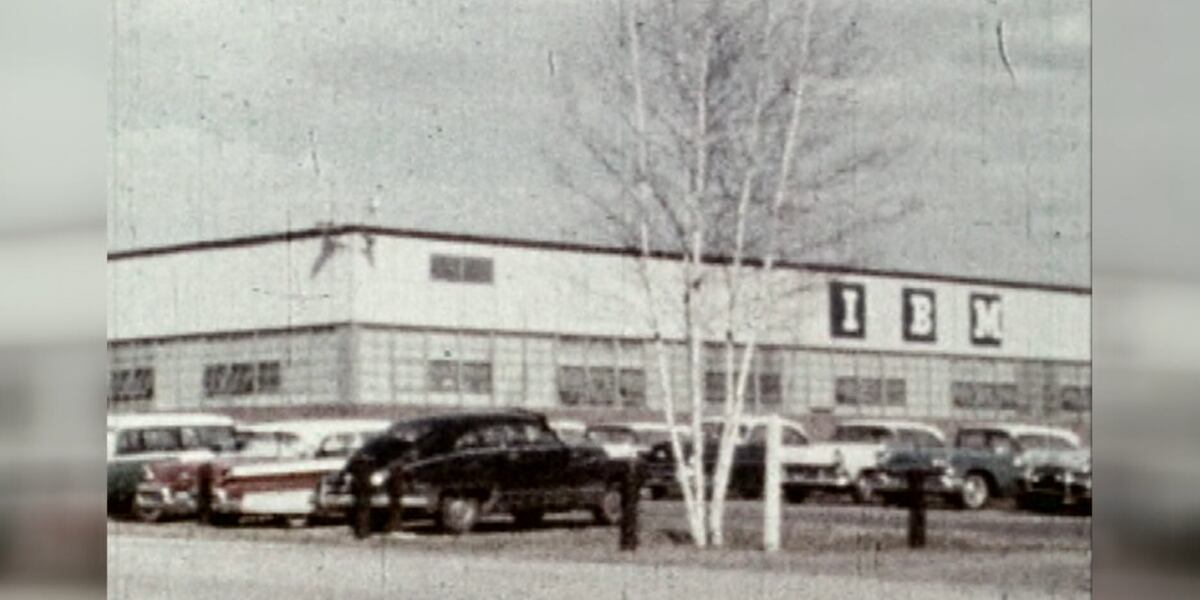
On February 25, 1957, IBM officially launched its operations in Essex Junction, Vermont, marking a significant milestone in the state’s economic landscape. As the largest private employer in Vermont’s history, IBM’s presence in the region played a crucial role in advancing modern computer technology. The establishment of the IBM campus initiated a transformative period for the local economy, with far-reaching impacts that continue to resonate today.
In its early years, the Essex Junction facility developed into a sprawling campus, expanding to over 700 acres. At its peak, the plant employed more than 8,500 individuals, contributing notably to the job market and economic stability in Vermont. The workforce represented a diverse array of skills and professions, helping to solidify the region’s reputation as a hub for technological innovation.
The operations at the Essex Junction site were pivotal in the production of computer hardware, solidifying IBM’s position as a leader in the technology sector. The facility produced a variety of products, including semiconductors, which are essential components in computing devices. This advancement in technology not only improved IBM’s offerings but also set the stage for the broader development of the computer industry.
In 2015, after nearly six decades of operation, IBM sold the Essex Junction facility to GlobalFoundries, a semiconductor manufacturer. This transition marked the end of an era for IBM in Vermont, but the site continues to play a vital role in the technology landscape under its new ownership. GlobalFoundries has committed to further developing the facility, ensuring that it remains a key player in the semiconductor industry.
The legacy of IBM’s operations in Essex Junction is evident in the continuing impact on the local economy and workforce. The influx of jobs and technological advancements has fostered a culture of innovation that persists in the region. With ongoing developments in the tech sector, Essex Junction continues to attract interest from businesses and investors looking to capitalize on its rich history and skilled labor force.
As Vermont reflects on the historical significance of IBM’s arrival, the story serves as a reminder of the potential for economic growth driven by technological advancements. The establishment of such a major employer in the region has had lasting effects, shaping the economic landscape and paving the way for future developments in technology and innovation.