The recent military actions taken by the United States against Venezuela have reignited discussions about the connection between oil demand and global conflict. On March 15, 2024, US President Donald Trump ordered an invasion of Venezuela, citing a desire to seize the country’s oil resources. This unilateral decision has drawn criticism for violating Venezuela’s sovereignty, with Trump’s statements during a press conference indicating that oil was a primary motive for the operation.
Analysts argue that reducing reliance on oil, particularly through the adoption of electric vehicles (EVs), could significantly decrease the potential for such conflicts. The history of oil as a catalyst for wars in the 20th and 21st centuries is well-documented, and the ongoing tensions in Europe, particularly with Russia, highlight the geopolitical stakes tied to oil resources. Following Russia’s annexation of Crimea in 2015, European dependence on Russian oil and gas complicated international responses, illustrating how energy reliance can embolden aggressive actions.
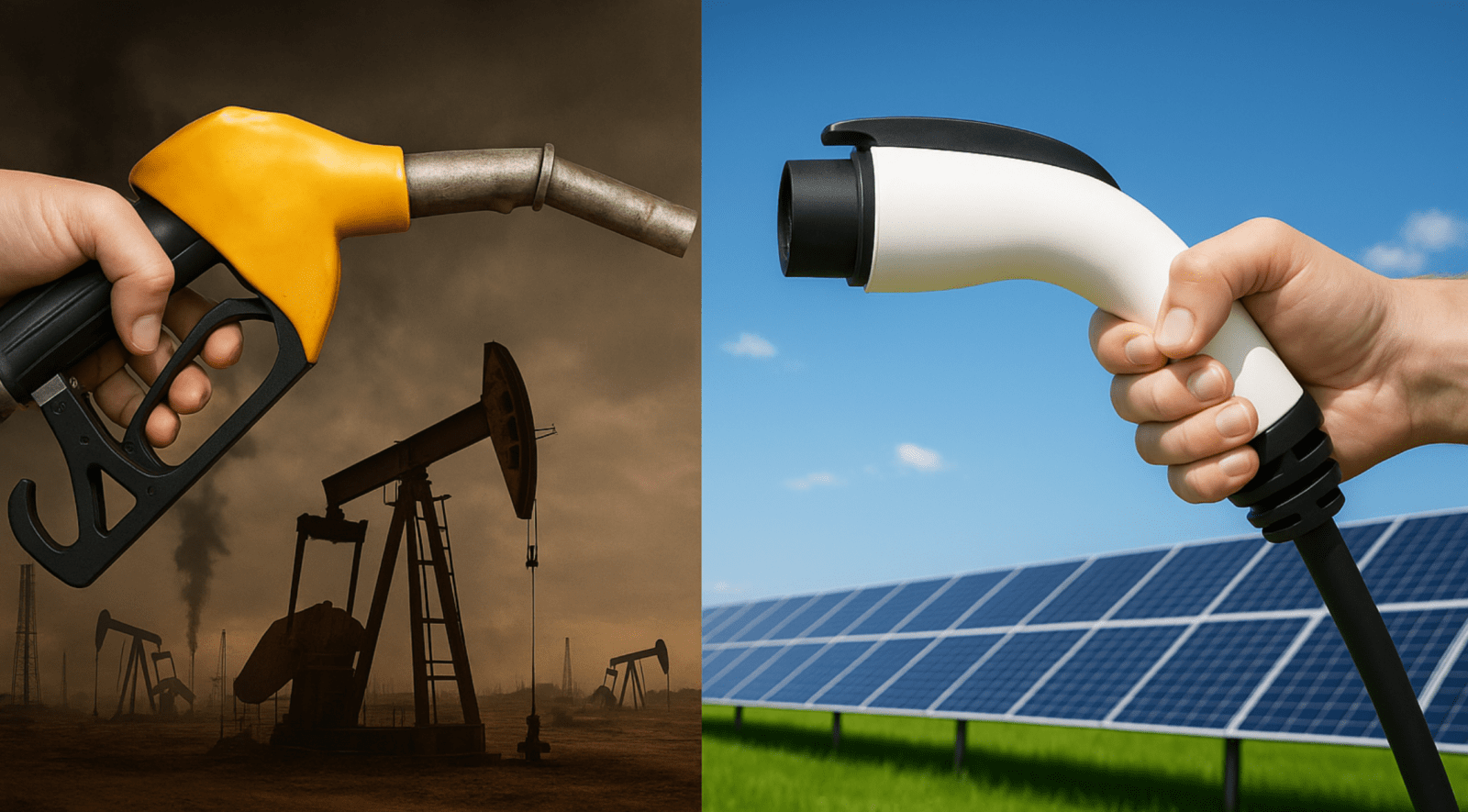
The US Department of Defense has acknowledged climate change as a factor that could drive future conflicts, reinforcing the notion that a shift away from fossil fuels is essential. Electric vehicles, which do not require oil for propulsion, represent a viable solution to reduce overall oil consumption. The majority of oil consumption is tied to transportation, particularly light-duty vehicles; thus, transitioning to electric alternatives can diminish the demand that fuels conflict.
Electric vehicles can be powered by diverse energy sources, including wind, solar, and hydropower, allowing countries to harness local resources and reduce dependency on oil imports. This flexibility can limit the power of resource cartels and lessen the geopolitical tensions associated with oil supply chains. Additionally, the materials used in EVs are generally more evenly distributed and recyclable compared to oil, which is often consumed and discarded.
While some may argue that oil is necessary for various applications beyond transportation, the significant portion used for fueling vehicles presents the greatest opportunity for reduction. Other methods, such as electric bicycles and advancements in freight technology, further contribute to lowering oil dependency.
The transition away from oil is already underway, with signs of a long-term decline in consumption. In the United States, oil use peaked in 2019 and has not returned to those levels since, largely due to the rise of electric vehicles and energy-efficient technologies. Globally, nations like Norway and China are also approaching peak oil demand, with projections indicating that the world may experience this shift by the end of the decade.
Despite the resistance from powerful oil interests and political factions, the momentum toward electrification is gaining traction. It is crucial for nations to accelerate this transition as a means of preventing future conflicts akin to the current situation in Venezuela. The faster the world moves away from oil, the less power will be held by those who exploit it for geopolitical advantage.
For individuals interested in contributing to this solution, adopting an electric vehicle and utilizing renewable energy sources, such as solar power, can make a significant impact. EnergySage offers resources to help consumers find reliable solar installers, ensuring quality service while promoting sustainable energy practices.
Ultimately, embracing electric vehicles not only addresses climate concerns but also serves as a strategic move toward reducing global tensions tied to oil dependence.