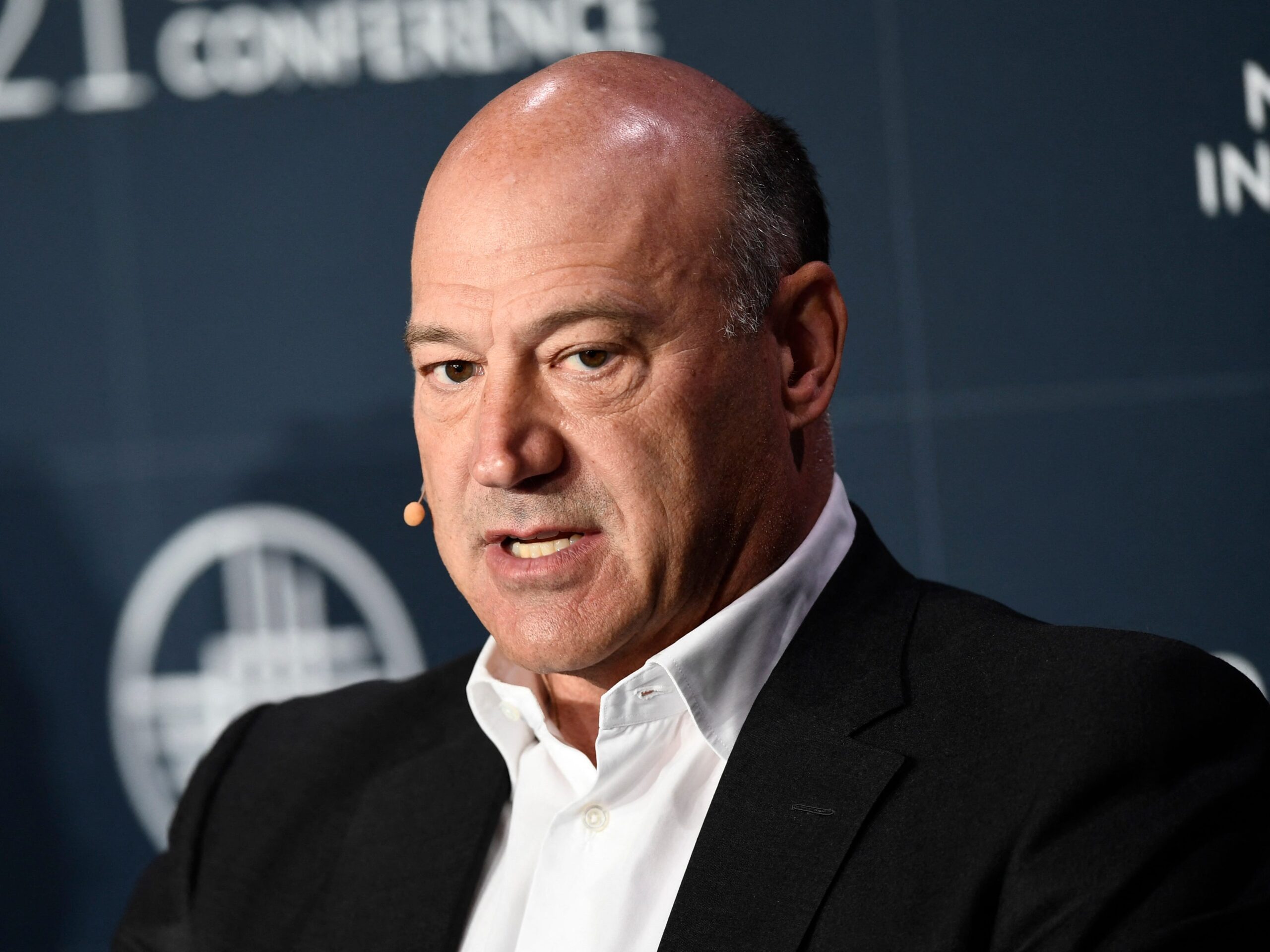
Former economic advisor to President Donald Trump, Gary Cohn, highlighted the stark realities of the current U.S. economy, describing it as both robust and plagued by an affordability crisis. During an appearance on CBS’ “Face the Nation,” Cohn noted that while the nation’s gross domestic product (GDP) is trending at an impressive 5%, many Americans are struggling to meet basic living expenses.
Cohn, who currently serves as vice chairman of IBM, pointed out that the economic growth is not universally beneficial. “We have a massive wealth effect at the top end, and hardworking Americans are having a very difficult time paying their bills, and they are suffering in this economy,” he stated.
The divides in the economy are often described using the term “K-shaped economy,” where wealth accumulation at the top starkly contrasts with financial difficulties faced by lower-income individuals. Cohn emphasized that affordability will be a critical focus as the midterm elections approach.
Affordability as a Key Election Issue
As the Biden administration prepares for the upcoming elections, Cohn indicated that affordability will be at the forefront. “The White House is going on the offensive. The president is going to spend time out on the road talking about affordability,” he explained. The emphasis on this issue reflects a growing concern among voters who feel the financial strain of rising costs for essentials like food and housing.
Cohn’s comments are supported by insights from other economic experts. Gregory Daco, chief economist at EY, mentioned in a recent LinkedIn post that a significant portion of consumers is experiencing a prolonged affordability crisis. “Slower income growth is pushing many upper-median, median, and lower-income families to draw down savings and rely more heavily on credit to sustain their habits,” Daco noted.
Warnings from Economists
Concerns about the widening economic gap have prompted calls for policy changes. Joe Brusuelas, chief economist at RSM, stated that without a shift in policy priorities, inequality will likely continue to grow. “When I take a look at the policy landscape, it’s all tilted toward the upper spur of the K,” he remarked, predicting that the fundamental inequalities will worsen in the coming years.
The combination of high inflation and elevated borrowing costs compounds the difficulties faced by many households. This economic landscape poses challenges not only for individuals but also for policymakers who must address the needs of a struggling workforce while balancing broader economic growth.
In conclusion, the dialogue surrounding the U.S. economy underscores the dual realities of growth and hardship. As the midterm elections draw near, the focus on affordability and economic equity promises to be a pivotal issue for both voters and leaders alike.