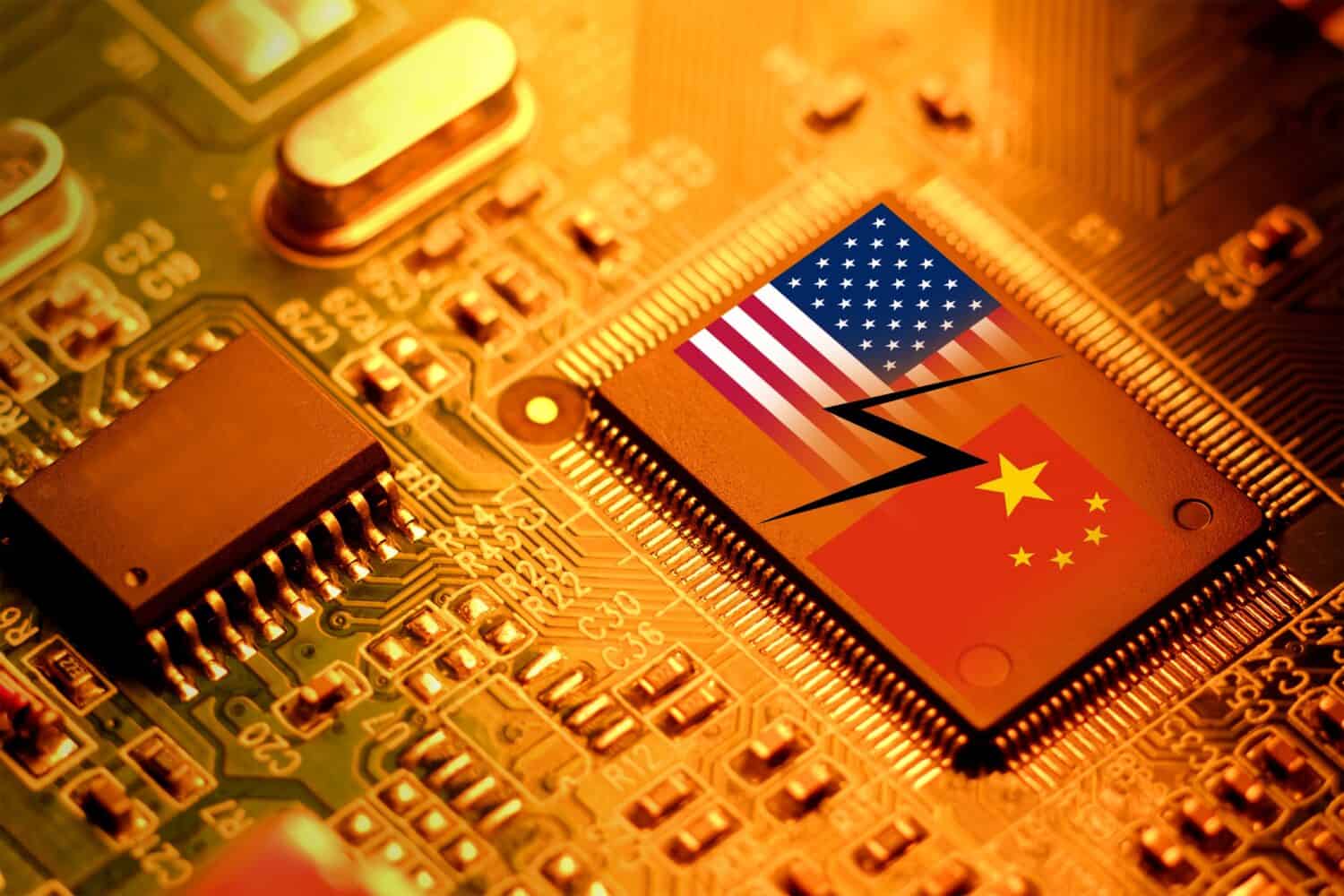
China has indicated a willingness to approve the import of Nvidia’s H200 chips, marking a potential shift in the technology landscape. However, significant uncertainties remain regarding the exact nature of this approval, including potential performance limitations and restrictions that could impact Nvidia’s operations in the country.
Approval Details and Implications
Nvidia’s CEO, Jensen Huang, is currently in Shanghai, where reports suggest that China is “poised to approve” imports of the H200 chips. The central question is whether this approval entails the full functionality of the H200 or if it will come with performance caps, volume quotas, or limitations on end-use that could hinder commercial deployment.
During Nvidia’s Q3 FY2026 earnings call, Colette Kress, the company’s CFO, noted that revenue from data centers in China grew sequentially due to “export-compliant copper products.” Nonetheless, she emphasized that this revenue remains significantly below pre-export control levels. For the past two years, Nvidia has been selling export-compliant chips to China, which previously accounted for 20-30% of the company’s revenue share.
While Nvidia’s stock experienced a modest increase of 0.77% over the past week, its competitor, Advanced Micro Devices (AMD), surged by 12%. This divergence in stock performance raises questions about the broader market sentiment regarding Nvidia’s future in China.
Market Dynamics and Geopolitical Context
As the tech competition escalates between the United States and China, the approval of advanced chip imports occurs alongside various domestic alternatives such as Alibaba’s T-Head and Baidu’s Kunlunxin processors. The current geopolitical landscape adds another layer of complexity to Nvidia’s market strategy.
Insider trading activity within Nvidia has also come under scrutiny. Between October and December 2025, Jensen Huang sold 9.9 million shares, while Colette Kress sold over 200,000 shares. Notably, these sales were concentrated around mid-December, coinciding with the anticipated approval timeline. No executives purchased shares during this period, which may indicate a cautious outlook on the company’s prospects.
The market’s reaction reflects a mix of optimism and skepticism. With AMD’s significant stock rise and Nvidia’s limited price movement following the approval news, investors are grappling with uncertainty about whether the H200 approval represents a sustainable revenue opportunity. Ongoing geopolitical tensions and China’s regulatory stance will likely influence how this approval impacts Nvidia’s business strategy moving forward.
In conclusion, while China’s indication of approval for Nvidia’s H200 chips marks a potential milestone, the associated uncertainties and market dynamics will play a crucial role in shaping the company’s future in one of its most significant markets.