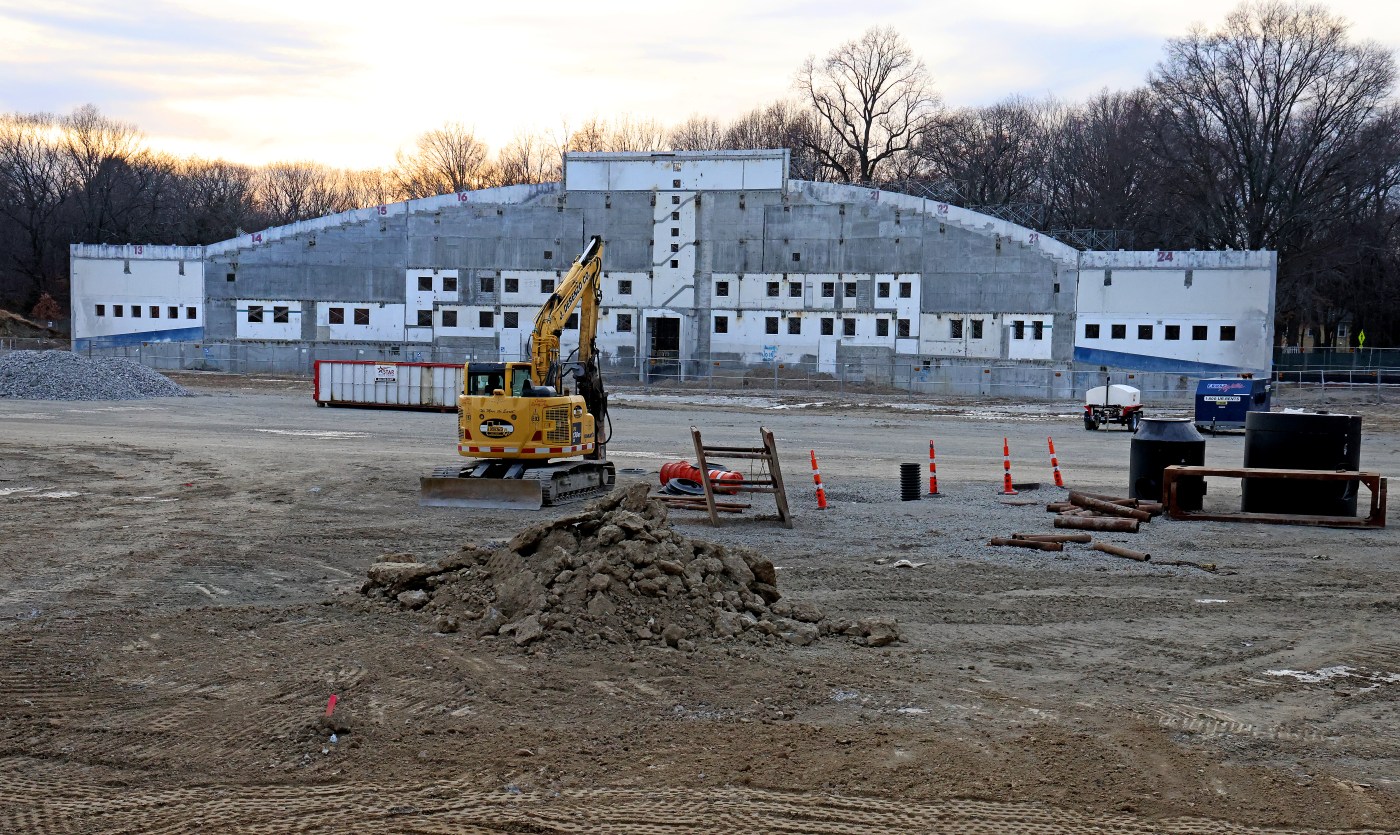
A major public investment in Boston’s Black community is facing scrutiny and challenges related to oversight. The renovation of White Stadium, located in Franklin Park, is expected to cost between $200 million and $300 million. However, critics argue that the project lacks proper independent oversight, which could undermine its potential to foster equitable development and local wealth.
In recent years, Boston has seen significant development, particularly in its Seaport area, which has attracted an estimated $40 billion to $50 billion in investments. In stark contrast, neighborhoods like Roxbury, historically disinvested, are now receiving attention through projects like the White Stadium renovation. This disparity highlights ongoing questions about equity in the city’s development initiatives.
Ed Gaskin, Executive Director of Greater Grove Hall Main Streets, emphasizes that White Stadium should serve as a catalyst for economic growth in Roxbury. He notes that while the project was initially touted to adhere to the Massport Model—a respected framework for equitable development—actual practices have deviated from these standards. The absence of an independent oversight body has raised concerns, particularly regarding Minority Business Enterprise (MBE) participation, which is reportedly below 14%.
The lack of accountability in the project mirrors issues seen in Boston’s past, notably the Big Dig, which ballooned from an estimated $2.5 billion to potentially as much as $24.3 billion. During that project, MBE participation was alarmingly low, ranging from 1% to 2.5%. Gaskin argues that similar mistakes are being repeated with the White Stadium renovation, risking further inequities and diminished public trust.
Currently, oversight for the White Stadium project has been centralized within the mayor’s office, which critics argue complicates accountability. The absence of an independent entity to monitor MBE participation, procurement transparency, and cost management is a significant concern. Gaskin highlights that without a dedicated oversight committee, the project risks locking in inequities and failing to deliver on promised community benefits.
Other cities, including Los Angeles and Chicago, have established independent oversight boards for similar projects. These boards are equipped to review contracts and ensure accountability, something Boston has yet to implement for the White Stadium project. Gaskin calls for the Boston City Council to take action by establishing a legally mandated White Stadium Oversight Committee.
Such a committee would ideally include community stakeholders and subject matter experts. It would require complete transparency in procurement processes, including bid details and contractor selections. Further, it should enforce binding MBE participation requirements and outline a clear economic opportunity plan for local businesses.
Gaskin stresses that this renovation project represents a critical opportunity for Boston’s Black community. Yet, without the necessary oversight and accountability measures, it risks being yet another example of missed potential.
The future of White Stadium could either serve as a model for equitable development or follow a troubling historical precedent. As the city grapples with these challenges, the importance of establishing robust oversight mechanisms becomes increasingly clear. This moment presents an opportunity to ensure that Boston’s investments translate into real benefits for its historically marginalized communities.