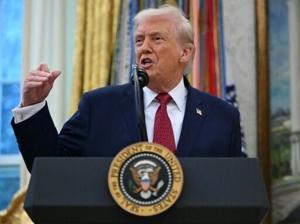
The BBC announced on Tuesday that it will vigorously contest a $10 billion defamation lawsuit filed by Donald Trump, the President of the United States. The lawsuit stems from a documentary that included edited segments of his speech delivered shortly before the January 6, 2021, US Capitol riot.
The broadcaster stated that it stands by its reporting and believes the lawsuit is without merit. According to BBC representatives, the documentary aimed to provide context regarding the events leading up to the Capitol incident, which has been a pivotal moment in US history. Trump’s legal team contends that the editing misrepresented his comments and intentions, causing significant harm to his reputation.
Legal Background and Response
The lawsuit, filed in the US District Court, claims that the edits made to the documentary mischaracterized Trump’s statements, thereby damaging his public image and political career. Trump’s legal representatives assert that the BBC’s actions were reckless and defamatory.
In response, the BBC emphasized its commitment to journalistic integrity and the importance of reporting on significant political events. A spokesperson for the BBC remarked, “We believe in the right to inform and engage audiences about important issues, and we will defend our work robustly.”
Implications for Media and Free Speech
This case raises critical questions about the balance between media freedom and public figures’ rights to protect their reputations. As the lawsuit progresses, it may set a precedent regarding the extent to which public figures can challenge media portrayals. Legal experts predict that the outcome could have significant implications for both media organizations and the political landscape.
As the lawsuit unfolds, the BBC’s commitment to its editorial standards will be closely scrutinized. The outcome may influence future media practices, particularly in how news organizations handle sensitive political content.
The BBC has a long history of covering global events and political figures, and its decision to fight this lawsuit underscores the ongoing tension between media freedom and the rights of individuals to seek redress for perceived wrongs. The case is expected to draw considerable attention as it progresses through the legal system, potentially impacting public discourse surrounding media accountability and the responsibilities of journalists.