The ongoing battle over funding for the Supplemental Nutrition Assistance Program (SNAP) has prompted Contra Costa County in California to develop a $21 million contingency plan. This decision comes in response to the federal government’s refusal to allocate funds during a recent shutdown, leaving millions of Americans without critical food assistance.
The SNAP program, which is known as CalFresh in California, is vital for approximately 5.5 million low-income residents in the state. Benefits can reach up to $785 per month for a family of three, but these crucial payments expired on November 1, 2023. The Trump administration opted not to utilize $5 billion in contingency funds to sustain the program, resulting in a federal judge’s intervention last week. Justice Ketanji Brown Jackson of the Supreme Court temporarily paused a lower court’s order to fully restore funding, leaving payments for about 42 million Americans in uncertainty.
According to the National Grocers Association, SNAP supports 388,000 jobs nationwide, underscoring its economic significance. In Contra Costa County, the local government has devised a plan to load $21 million onto debit cards for over 100,000 SNAP recipients starting on November 10, 2023. This one-time payout aims to alleviate the repercussions of the federal shutdown, which has led to a declared state of emergency in the region.
Monica Nino, the county administrator, emphasized that this initiative is a rare, significant investment from a government agency to address the SNAP crisis. While the plan is costly, officials believe it is essential to mitigate the “extreme peril” posed by food insecurity, which adversely affects community health on multiple levels.
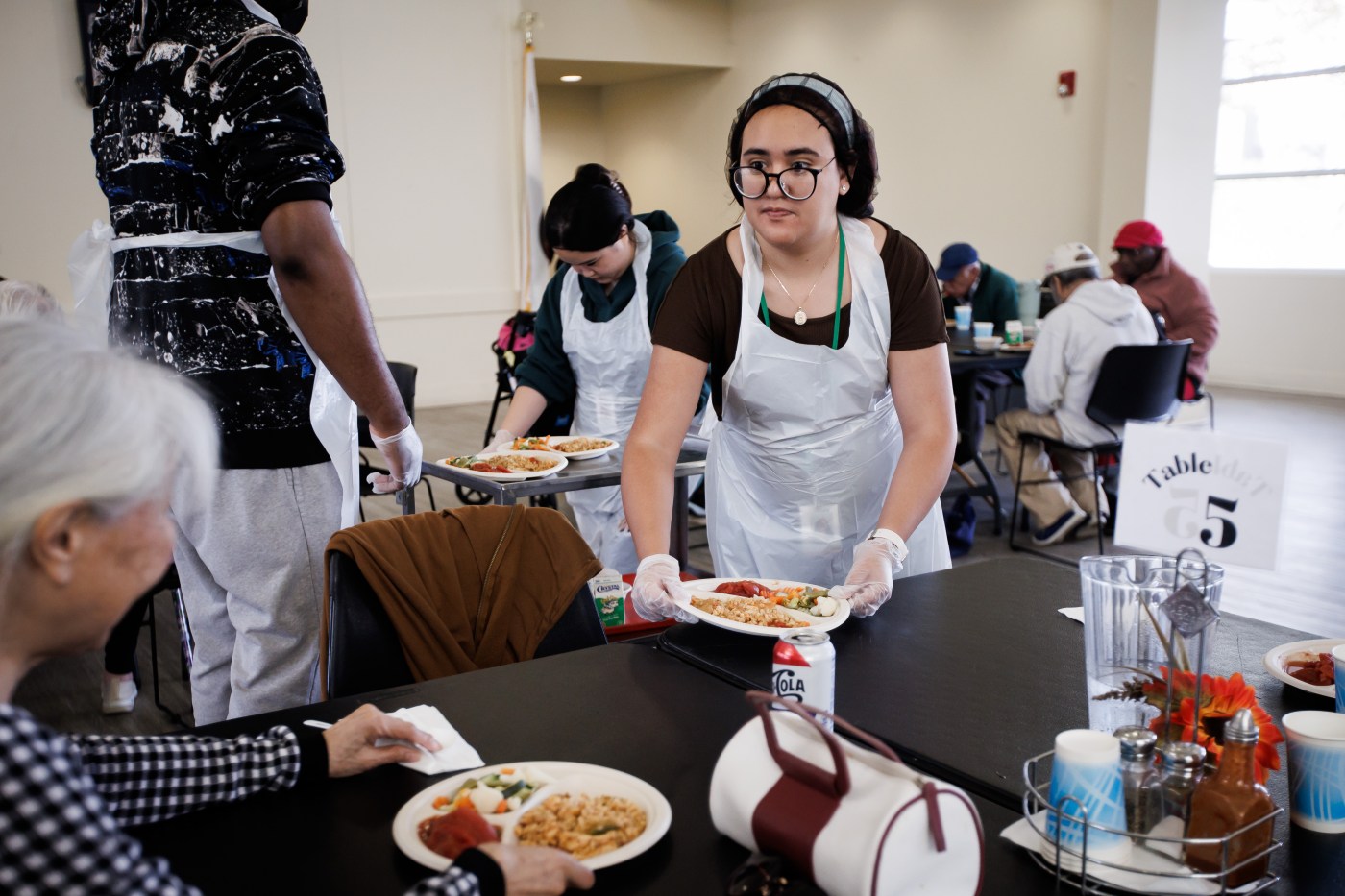
Supervisor Shanelle Scales-Preston highlighted the growing distrust among the community towards the government, noting the concerns expressed by seniors and families affected by the SNAP cuts. The shutdown has already resulted in reduced meal services at local community centers, particularly impacting vulnerable populations in the East Bay.
Dr. Diane Schanzenbach, an economist at Georgetown University, pointed out that disruptions to SNAP can lead to broader social issues. She explained that food insecurity often serves as an early warning signal for families facing financial challenges, potentially spiraling into crises such as evictions.
The SNAP program distributed over $100 billion in nutritional benefits last year, with recipients averaging $188 each month to cover their food expenses. As local governments step in to provide supplementary support, other counties have also taken action. For instance, San Francisco contributed $9.1 million, while Napa County allocated $1 million towards similar initiatives.
Alameda County has pledged $10 million to local food banks, and Santa Clara County has provided $4.5 million to Second Harvest of Silicon Valley in anticipation of rising demand for food assistance. Nonetheless, these efforts do not directly replace the funds that have been cut from residents’ monthly budgets.
John Gioia, a Contra Costa County Supervisor, argued that their approach, which allows recipients to shop at their local markets, is more dignified and effective. He stressed the importance of using available reserves for immediate relief during this crisis.
Dr. Lindsey Haynes-Maslow from the University of North Carolina highlighted the crucial role of food assistance in breaking the cycle of poverty. She noted that without such support, children are more likely to experience illness and educational setbacks, which can have long-term effects on their future earning potential.
Children constitute 40% of SNAP enrollees, while older Americans make up 20%, with the remainder of funding allocated to individuals with disabilities and low-income families. Haynes-Maslow described the current situation as a precarious cycle that needs to be addressed to help families escape poverty.
As the political landscape continues to shift, the immediate future of SNAP remains uncertain. However, Contra Costa County’s proactive measures reflect a commitment to supporting the most vulnerable members of the community in these challenging times.