Africa is experiencing a significant transformation through advancements in artificial intelligence (AI), which are poised to boost the continent’s healthcare, agriculture, and economy. As of July 2023, numerous initiatives across various nations illustrate how AI technology is being harnessed to address critical challenges and enhance productivity.
Innovative applications of AI in healthcare are enabling better diagnosis, treatment, and patient management. For instance, in Nairobi, Kenya, the partnership between local tech firms and healthcare providers has led to the development of AI-driven platforms. These platforms analyze patient data and improve diagnostic accuracy, reducing the time it takes for doctors to identify conditions. This initiative aligns with the African Union’s goals to achieve universal health coverage and improve health outcomes across member states.
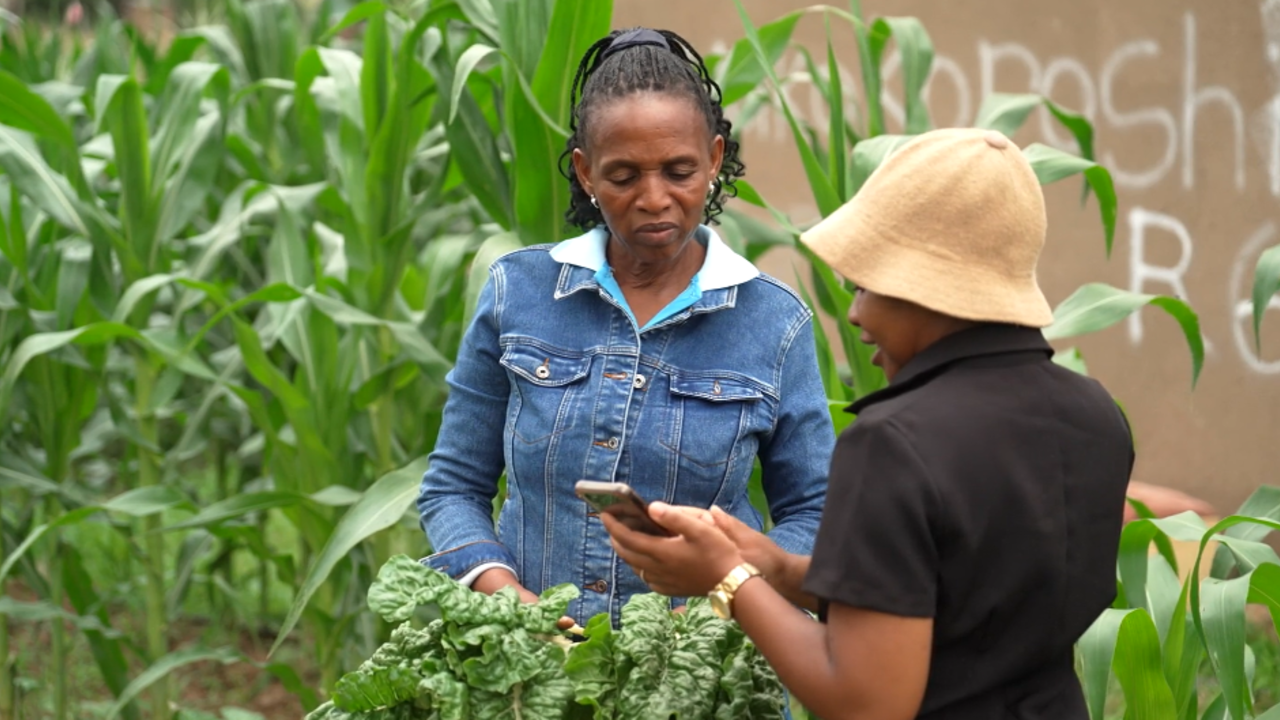
In agriculture, AI is transforming farming practices by providing farmers with data-driven insights. Technologies such as precision agriculture utilize AI to analyze soil conditions, weather patterns, and crop health. This information helps farmers make informed decisions regarding planting and harvesting, ultimately increasing yields. A report by the World Bank highlights that AI applications in agriculture could generate up to $1.2 billion in economic value for the sector by 2025.
The economic impact of AI extends beyond agriculture and healthcare. Various African countries are investing in AI research and development to foster innovation and create jobs. The growth of AI startups is notable, with cities like Cape Town, South Africa, and Lagos, Nigeria, emerging as tech hubs. These cities are attracting significant venture capital, further stimulating economic development. According to the African Tech Ecosystem Report, investments in African tech startups reached $4 billion in 2022, up from $2 billion in 2021.
Moreover, educational institutions across Africa are increasingly incorporating AI into their curriculums. Universities are offering specialized programs to equip students with the skills necessary to thrive in an AI-driven economy. This focus on education aims to prepare the workforce for the demands of a rapidly changing job market.
However, the rapid integration of AI also presents challenges. Issues such as data privacy, ethical considerations, and the digital divide need to be addressed to ensure that the benefits of AI are equitably distributed. Policymakers are being urged to establish frameworks that promote responsible AI use while fostering innovation.
The African Union has recognized the importance of AI in its Agenda 2063, which envisions a prosperous and integrated continent. As AI continues to advance, collaboration among governments, technology companies, and educational institutions will be crucial in shaping a sustainable future for Africa.
In summary, Africa’s AI transformation is well underway, with significant implications for healthcare, agriculture, and the economy. By embracing these technological advancements, the continent is positioning itself to tackle pressing challenges and enhance the quality of life for its citizens. As developments continue, the global community will be watching how Africa leverages AI to foster growth and innovation.