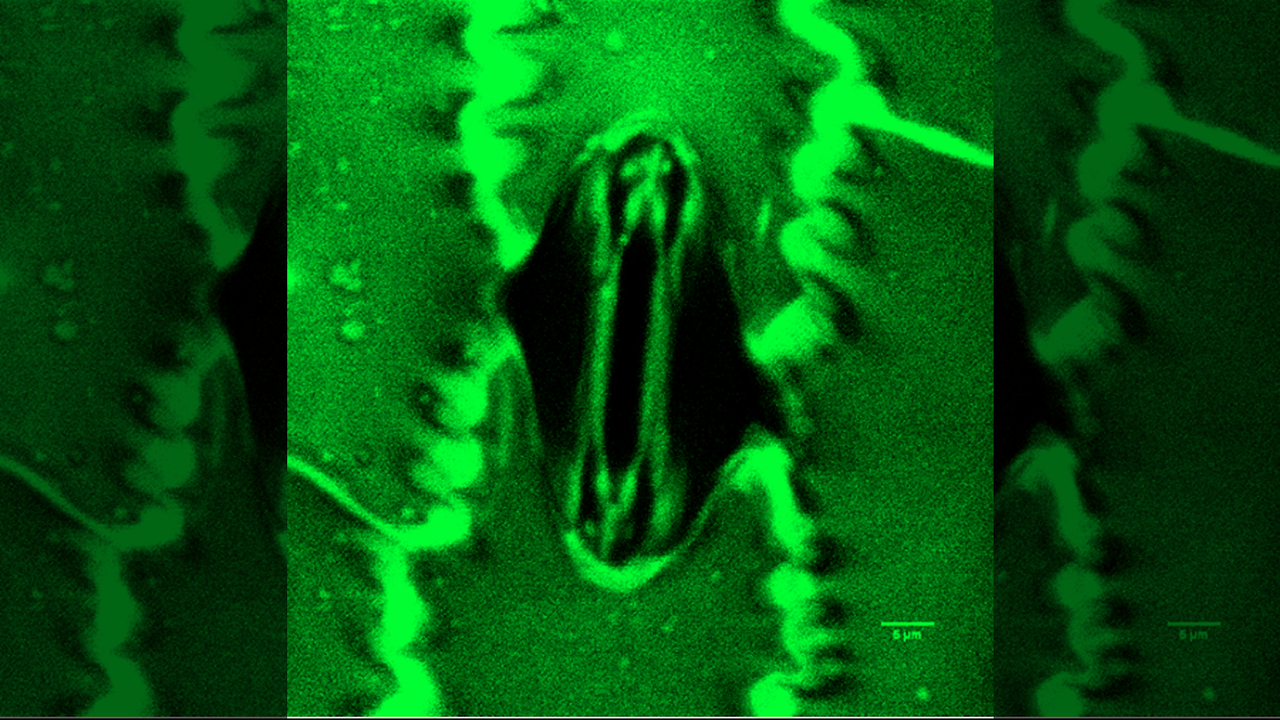
A recent study at Forschungszentrum Jülich has shed light on how cells identify and eliminate defective calcium channels. Led by Prof. Patricia Hidalgo, Dr. Beatrix Santiago-Schübel, and Dr. Mercedes Alfonso-Prieto, this interdisciplinary project could have significant implications for both basic scientific research and potential therapies for neurodegenerative diseases.
This collaborative effort focused on the mechanisms behind cellular quality control, particularly the processes that govern the recognition and removal of malfunctioning calcium channels. These channels play a crucial role in various cellular functions, including muscle contractions and neurotransmitter release. Understanding their management within cells is essential for developing therapeutic strategies to combat related disorders.
The research team utilized advanced techniques to observe how cells discern between functional and defective calcium channels. Their findings may pave the way for new approaches in treating conditions such as Alzheimer’s disease and Parkinson’s disease, where calcium channel dysfunction is often implicated.
In their investigation, the researchers explored the cellular pathways involved in the degradation of these defective proteins. The study highlights the importance of maintaining cellular health and function, as the accumulation of faulty calcium channels can lead to severe physiological consequences.
The implications of this research extend beyond basic science. By enhancing our understanding of calcium channel management, the findings could inform the development of novel therapeutic interventions. This may ultimately improve treatment options for patients suffering from neurodegenerative diseases, which continue to pose significant challenges to healthcare systems worldwide.
The collaboration among the three researchers underscores the value of interdisciplinary approaches in scientific inquiry. By combining their expertise, they have opened new avenues for exploration in the field of cellular biology. The study serves as a reminder of the potential that lies in bringing together diverse perspectives to tackle complex biological questions.
In summary, the work conducted by Prof. Patricia Hidalgo, Dr. Beatrix Santiago-Schübel, and Dr. Mercedes Alfonso-Prieto at Forschungszentrum Jülich represents a significant step forward in understanding cellular quality control mechanisms. Their research not only enhances our knowledge of calcium channels but also holds promise for future therapies aimed at addressing debilitating neurodegenerative diseases. As the scientific community delves deeper into these findings, the hope for innovative treatment solutions continues to grow.