Former New Jersey Governor Jim McGreevey and current Councilmember James Solomon are set to compete in a runoff election for the mayoral position in Jersey City, scheduled for December 2, 2024. As the second most populous city in New Jersey, Jersey City faces pressing concerns over affordability and public safety, which are central to the candidates’ campaigns.
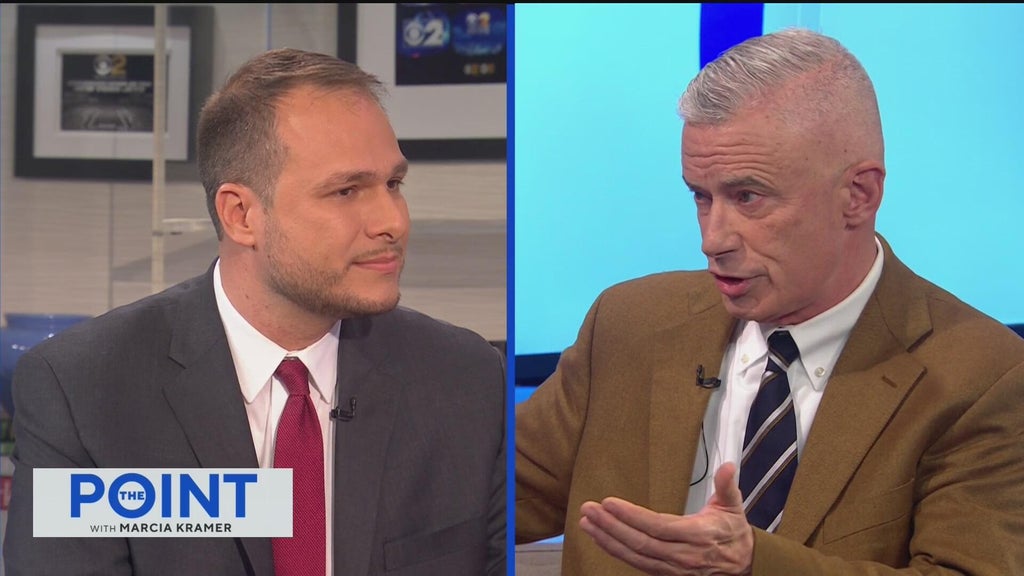
In an interview with CBS News New York’s Marcia Kramer on “The Point,” both candidates discussed their respective policies and how they intend to finance them. The conversation revealed sharp contrasts, particularly regarding affordable housing and property taxes, as well as the appropriate size of the city’s police department.
Addressing Quality of Life Concerns
Quality of life issues have emerged as significant topics in this election cycle. Many residents have expressed dissatisfaction with fundamental services, such as trash collection, street maintenance, and traffic management. Solomon acknowledged the decline in these areas and proposed the implementation of a program called “Citistat,” designed to ensure timely responses to public service complaints, such as pothole repairs and garbage collection. He also indicated intentions to terminate the city’s current trash vendor to improve service quality.
Conversely, McGreevey highlighted that approximately 50% of Jersey City’s infrastructure is over a century old, asserting that his experience uniquely positions him to spearhead necessary changes. Both candidates recognize the importance of revitalizing the city’s services to enhance residents’ quality of life.
Finding Common Ground
Despite their differences, McGreevey and Solomon managed to agree on certain issues. Notably, both candidates voiced their opposition to the proposed Pompidou art museum and the expansion project for the New Jersey Turnpike, indicating a shared concern for the city’s direction.
When asked about personal growth and humility, both candidates responded affirmatively, stating they had acknowledged their mistakes “this morning.” They also noted their mutual appreciation for history as a favorite subject during their school years. Reflecting on what qualities would make them effective mayors, both emphasized the critical ability to listen to constituents.
As the runoff election approaches, the candidates continue to engage with voters on pressing issues, hoping to secure their place in leading Jersey City into the future. The outcome will not only reflect the priorities of the city’s residents but also shape the governance of this vibrant community.