Human rights organizations are urging the African Commission on Human and Peoples’ Rights to take decisive action regarding the worsening human rights situation in Egypt. This call follows the commission’s 85th session, where reports from both the Egyptian government and the commission’s country rapporteur were presented. The statements from 22 organizations highlight significant discrepancies between the official accounts and the realities faced by many Egyptians.
During the session, Egypt’s government issued a report covering the period from 2019 to 2024. This report notably rejected claims of detained journalists or prisoners of conscience. It characterized restrictions on civil society as necessary for promoting “transparency.” The country rapporteur’s report echoed this sentiment, claiming the 2023 presidential election was “peaceful” and “competitive,” despite documented evidence highlighting repression and the prosecution of potential candidates.
The rapporteur’s visit in 2024 also faced criticism for failing to include meetings with independent Egyptian human rights groups, which could have offered a more comprehensive view of the situation. Reports from outside these official submissions paint a starkly different picture. Over the past decade, Egyptian authorities have detained thousands of peaceful critics, journalists, political figures, human rights defenders, and protesters under broad terrorism and “false news” charges.
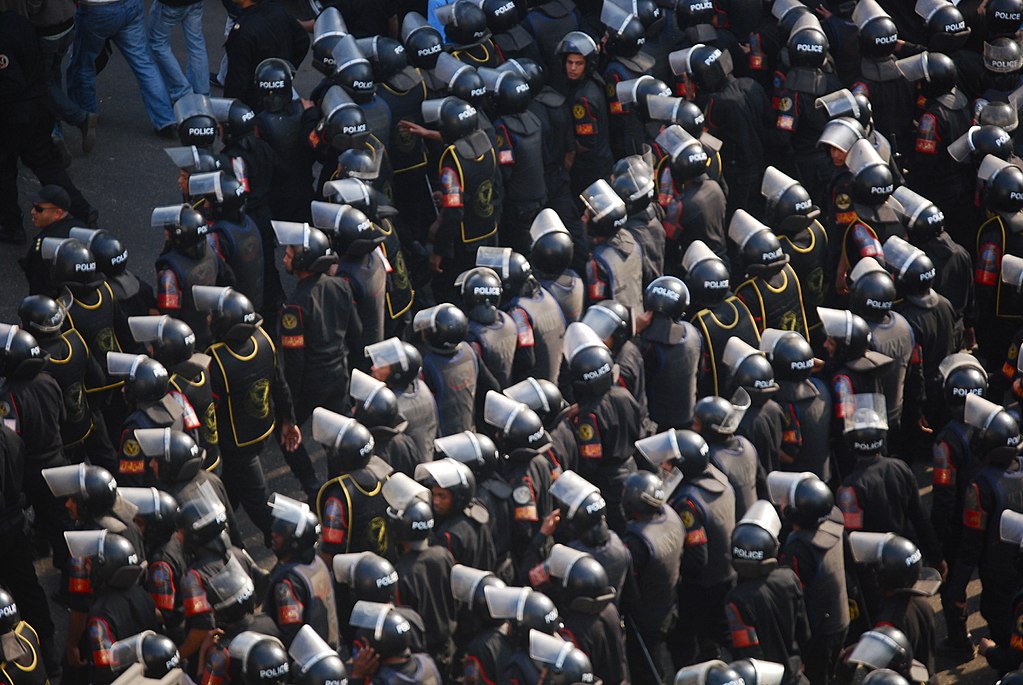
Rights organizations and United Nations mechanisms have documented ongoing patterns of enforced disappearances, systematic torture, and prolonged pretrial detention in Egypt. Detainees are often rotated into new cases with similar accusations, hindering their chances for justice. The government has implemented restrictions on hundreds of news and civil society websites and has preemptively arrested individuals in anticipation of protests related to economic hardships and electricity outages.
Notable figures such as Alaa Abdel Fattah, lawyer Hoda Abdel Moneim, and political challenger Ahmed Tantawy remain imprisoned or face renewed charges despite having already served prior sentences. Structural changes in Egypt since 2019 have further entrenched the security apparatus, with constitutional amendments expanding military authority and broad counterterrorism and cybercrime laws remaining in effect. A draft Criminal Procedure Code has drawn international criticism for undermining fair trial protections and facilitating prolonged detention without adequate judicial review.
In addition to these systemic issues, rights groups have raised concerns about the lack of accountability for deaths in custody and past incidents involving mass killings of protesters. The African Commission has previously issued several resolutions citing Egypt for violations of the African Charter. These resolutions have highlighted issues such as mass death sentences and restrictions on journalists, yet no new resolution has been adopted regarding Egypt since 2015, despite the deteriorating conditions.
The coalition of rights organizations is calling for the commission to issue a new resolution, emphasizing the need for an evidence-based assessment of the current human rights situation in Egypt. They have requested stronger public engagement and urgent appeals to the Egyptian government, alongside a dedicated follow-up mechanism under Rule 112 to monitor the implementation of recommendations.
Furthermore, they have expressed that ongoing arbitrary detention, abuse in custody, and counterterrorism operations may necessitate the use of the commission’s early-warning powers to alert the African Union Peace and Security Council. The organizations also underscored that any future session of the African Commission held in Egypt must come with verifiable guarantees ensuring that all participants, including domestic critics, can enter, engage, and leave the country safely without fear of intimidation or reprisals.
The situation in Egypt presents a critical challenge for the African Commission, and the response from international bodies will likely shape the future of human rights in the region.