UPDATE: New insights reveal a troubling picture of the 2000s, highlighting 25 shocking events that many have forgotten but which shaped a generation. As we look back, these moments shed light on the darker sides of pop culture, politics, and social norms that went largely unquestioned at the time.
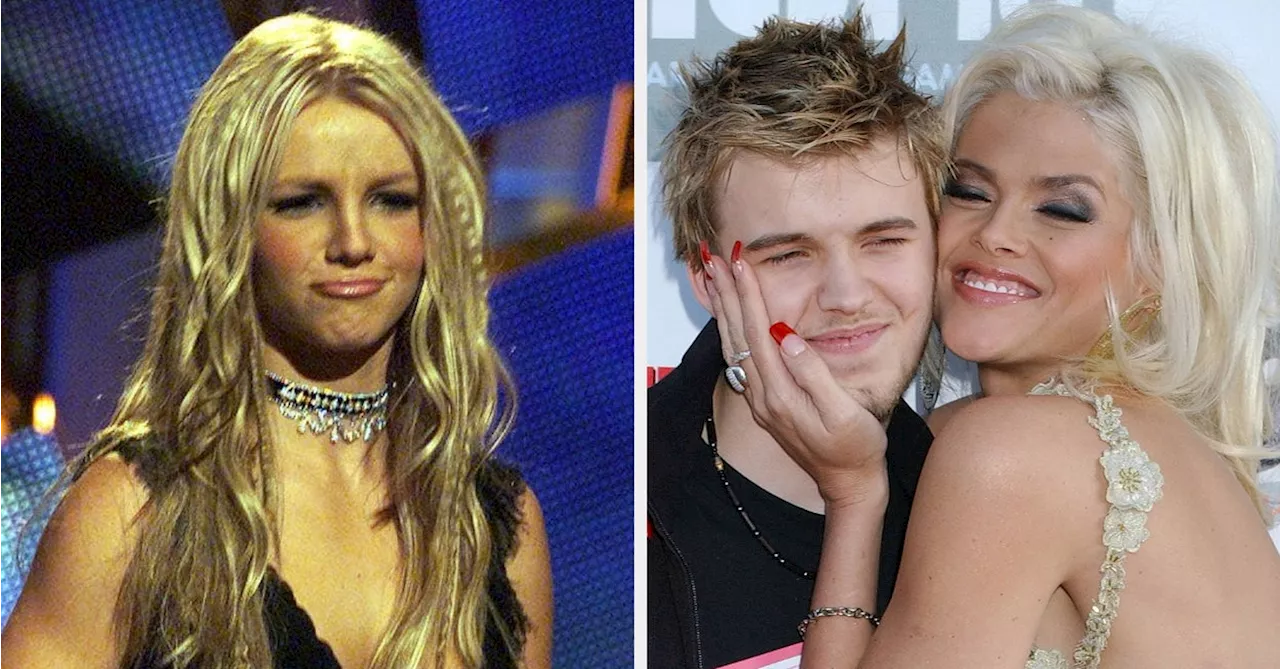
The decade is marked by cultural phenomena that now seem almost unbelievable. For instance, the intense media scrutiny of Britney Spears during her mental health crisis transformed her life into a public spectacle, raising urgent questions about the treatment of women in the media. The tabloid frenzy over her breakdown and the ensuing conservatorship exposed a systemic cruelty that shaped societal views on mental health.
Meanwhile, the rise of Joe Francis and his brand, which normalized the exploitation of women as entertainment, set a troubling precedent for future media. The infamous late-night infomercials generated hundreds of millions of dollars, convincing a generation that voyeurism was not only acceptable but entertaining. This cultural shift has lasting implications, particularly as many now reflect on the impact of such messages on young women.
In the realm of technology, the Y2K scare looms large. As the world braced for potential disasters on January 1, 2000, governments and corporations mobilized resources to prevent chaos—spending an estimated $100 billion. The successful avoidance of catastrophe led many to dismiss the fear as overblown, erasing the memory of genuine anxiety that gripped the globe.
Additionally, the MySpace worm attack in 2005 exposed vulnerabilities in early social media. Within hours, over 1 million profiles were infected, showcasing how easily technology could be weaponized. This pivotal moment is often overlooked in the context of today’s ongoing cybersecurity threats.
The decade also saw the devastating impact of Hurricane Katrina in 2005, which laid bare systemic racial and economic disparities. The Federal Emergency Management Agency’s delayed response further highlighted the failures of institutions meant to protect citizens. Thousands were left stranded without food or medical care, an urgent reminder of the need for reform in disaster response.
In the political arena, the 2000 presidential election between George W. Bush and Al Gore resulted in a crisis of democracy, culminating in a Supreme Court ruling that stopped the Florida recount. This event set the stage for a divided political landscape that resonates in today’s hyper-partisan environment.
The decade’s impact on women’s body image was profound, with media portrayals reinforcing unrealistic beauty standards. The obsession with thinness led to widespread body dysmorphia among young women, who internalized damaging messages about their worth.
As we reflect on these moments, the urgency to address their implications grows. The cultural narratives established in the 2000s continue to shape our society, influencing everything from media representation to political discourse.
What happens next? As we continue to unveil the complexities of the past, it’s crucial to engage in discussions about the lessons learned and how they can inform our future. These forgotten events remind us of the importance of compassion, accountability, and awareness in an ever-evolving cultural landscape.
This exploration into the darker corners of the 2000s not only serves as a wake-up call but also urges us to reconsider the narratives we accept and promote today. As we share these insights, it’s clear that understanding our history is essential for building a more equitable future.