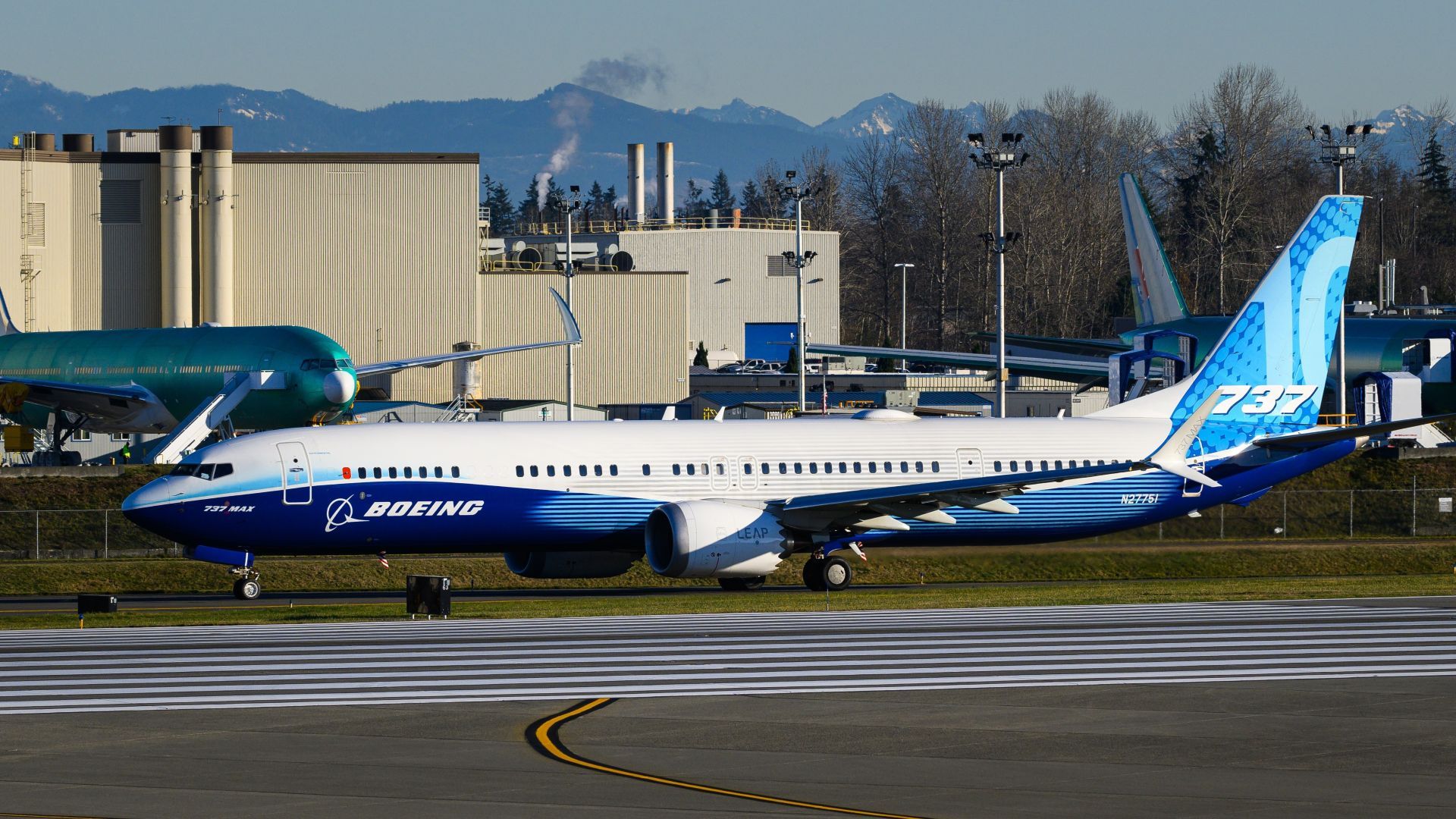
Boeing has finalized the design and engineering of a new engine anti-ice system for the 737 MAX. This significant development is part of the company’s ongoing efforts to obtain certification from the Federal Aviation Administration (FAA) for the 737 MAX 7 and 737 MAX 10 variants, which have faced years of delays primarily due to issues with the engine anti-ice system. The new system will be included in factory deliveries of new aircraft and retrofitted to existing models.
Certification Plan Underway
As reported by Aviation Week, Boeing is currently collaborating with the FAA to establish a comprehensive certification plan for the redesigned system. The anti-ice system is crucial for preventing ice build-up during flight, which can be hazardous. The new engine anti-ice system directs air into the inlet cowl, but earlier tests indicated potential thermal damage to the nacelle’s composite structure during prolonged use. Boeing has spent significant time developing and reviewing design solutions to address these issues.
In a statement during the Dubai Airshow 2025, Boeing Commercial Airplanes President and CEO Stephanie Pope highlighted the extensive effort that has gone into the design process, stating, “We’ve spent thousands of hours getting that design done. Now it’s defining the certification plan, getting the FAA to accept that certification plan.”
Impact on 737 MAX Variants
The completion of the engine anti-ice system design represents a critical step towards certifying the 737 MAX 7 and 737 MAX 10. While the ongoing production of the 737 MAX 8 and 737 MAX 9 remains unaffected, the new design paves the way for the delayed variants to finally enter service. Currently, Boeing is negotiating with the FAA to finalize the certification plan. Following a thorough review, the FAA will either approve the system or request modifications before granting certification.
The 737 MAX 10 is particularly significant for Boeing, with over 1,200 orders placed since its launch. The aircraft is designed to compete with Airbus’s popular A321neo, which has amassed more than 7,000 orders. Once the 737 MAX 10 is operational, it is expected to attract further orders and strengthen Boeing’s position in the narrowbody market.
Boeing’s production capacity for the 737 MAX has increased, with the company now able to produce up to 42 jets per month. The 737 MAX 7 is primarily targeted for Southwest Airlines, which has ordered over 300 aircraft. Although the 737 MAX 7 is priced lower than its counterparts, its certification remains essential to fulfill existing contracts.
In contrast, the 737 MAX 10 is poised to deliver higher profit margins for Boeing. Its competitive economics against Airbus’s A321neo make it a vital project for the company. Boeing anticipates that the 737 MAX 10 will enter service in 2027, with WestJet as a key customer.
As Boeing continues to navigate the certification process, the successful implementation of the new engine anti-ice system will be pivotal in revitalizing the 737 MAX family and reclaiming market share from competitors.