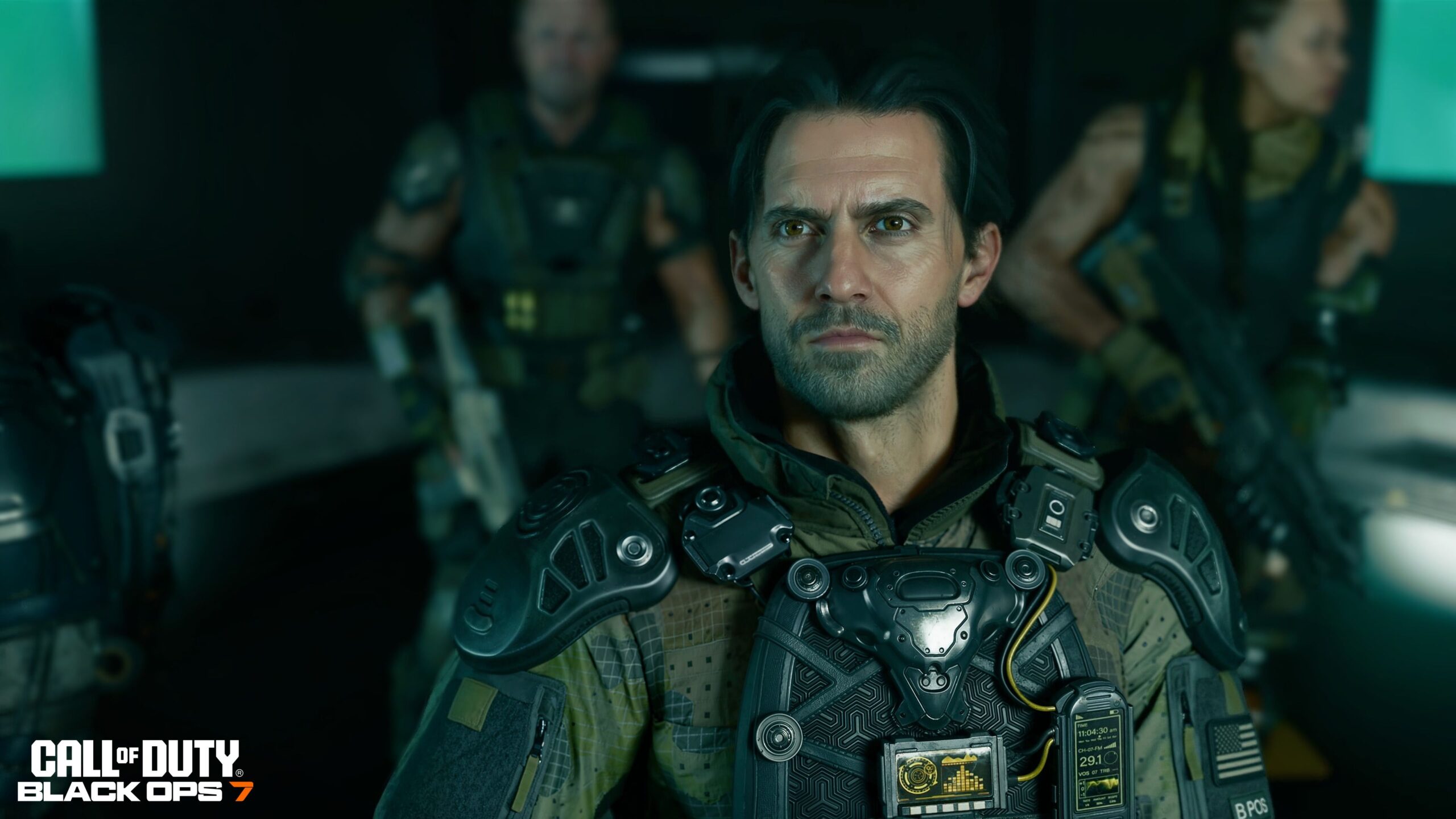
The release of Call of Duty: Black Ops 7 has sparked significant interest among gaming enthusiasts, particularly regarding its performance across various graphics processing units (GPUs). Testing was conducted on three different GPUs: the aging GTX 1660 Ti, the more modern RTX 4070 Ti, and the AMD RX 7800 XT. The results reveal how well these cards handle the demands of the latest installment in the popular franchise.
Performance Insights on the GTX 1660 Ti
The GTX 1660 Ti, a six-year-old card, proved to be a surprising challenger despite its age. The testing was performed at a resolution of 1080p with ray tracing disabled. Since DLSS is not supported on this GPU, AMD’s FSR 3.1 was employed for upscaling. While basic settings allowed for frame rates exceeding 60 frames per second (fps), attempts to run the game on ultra settings were ultimately unsuccessful.
At a higher resolution of 1440p, the performance dropped significantly. The GTX 1660 Ti struggled to maintain 60 fps, even with FSR’s Quality upscaler. Turning on AMD’s frame generation provided a slight boost, but the overall experience was not optimal for competitive gameplay.
RTX 4070 Ti’s Struggles with Ray Tracing
The RTX 4070 Ti, a relatively newer card, was anticipated to deliver superior performance. However, enabling ray tracing, specifically Ray Traced Reflections, dramatically impacted frame rates. Running the game on a 1440p 144Hz monitor resulted in less than 30 fps at the extreme graphics preset. Even at minimum settings with ray tracing enabled, the frame rate barely reached 44 fps.
Only by activating DLSS and setting it to Balanced did the frame rates improve, reaching triple digits. The implementation of ray tracing in Call of Duty: Black Ops 7 appeared too demanding, offering little visual enhancement while significantly reducing performance. The situation worsened at 4K resolution, where the 4070 Ti delivered a mere 16 fps with ray tracing active, underscoring the challenges of high-end gaming at this resolution.
AMD RX 7800 XT: A Closer Comparison
The testing also included an AMD RX 7800 XT, which was expected to perform well given its higher VRAM. However, similar to the RTX 4070 Ti, the performance was best when ray tracing was turned off. At 1440p, enabling ray tracing resulted in disappointing frame rates, but performance improved significantly with ray tracing disabled.
When testing at 4K, the RX 7800 XT was able to maintain playable frame rates without ray tracing, showcasing its potential for high-resolution gaming when graphics settings are optimized appropriately.
The overarching takeaway from the tests is clear: enabling ray tracing on either the RTX 4070 Ti or the AMD RX 7800 XT severely hampers performance without yielding substantial visual benefits. In fact, the optimization in Call of Duty: Black Ops 7 appears solid otherwise, allowing older GPUs to still deliver enjoyable experiences through effective upscaling technologies from both NVIDIA and AMD.
Overall, the findings suggest that for players prioritizing performance, it is advisable to avoid ray tracing in Call of Duty: Black Ops 7. The game demonstrates exceptional optimization, allowing various generations of GPUs to perform adequately, provided ray tracing settings are kept off. The experience is further enhanced by the game’s built-in benchmarking tools, making it easier for players to gauge their system’s performance.