A federal judge in Chicago has ruled to limit the use of force by Border Patrol agents, following revelations that a senior official misrepresented threats posed by protesters and journalists. On Thursday, U.S. District Judge Sara Ellis issued a preliminary injunction, responding to a lawsuit filed by news organizations and demonstrators who allege that excessive force has been employed during a crackdown that has resulted in over 3,000 arrests across the city and its suburbs.
Judge Ellis stated, “I see little reason for the use of force that the federal agents are currently using.” She criticized the credibility of the government’s claims and emphasized the need to protect First Amendment rights from excessive force. The injunction mandates that agents provide two warnings before deploying riot control measures, among other requirements.
Background of the Crackdown
The enforcement actions in the Chicago area are part of a broader initiative by the Trump administration to increase federal presence in Democratic-led cities. This crackdown has drawn significant legal scrutiny, leading to court actions aimed at improving conditions at federal immigration facilities and blocking certain military deployments. Judge Ellis’ recent ruling refines earlier directives that required agents to wear identification and barred the use of specific riot-control tactics, such as tear gas, against non-violent protesters and members of the press.
Throughout the proceedings, the judge expressed frustration with federal officials for failing to adhere to previous court orders. She added a requirement for agents to wear body cameras to ensure accountability. During her ruling, Ellis referenced notable figures from history, including former presidents, to underline the importance of civil rights and peaceful protest in a democratic society.
Testimonies and Incidents of Excessive Force
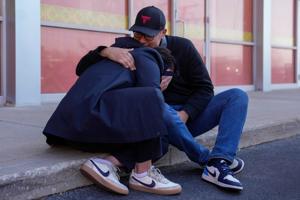
The courtroom was filled with emotional testimonies from witnesses describing their experiences during the crackdown. Many recounted distressing encounters, including being subjected to tear gas and having firearms pointed at them while documenting the actions of federal agents. Leslie Cortez, a youth organizer from Cicero, expressed her fears about attending future protests, stating, “I get really nervous because it just feels like I’m not safe.”
Central to the case is Border Patrol commander Gregory Bovino, who has been accused of misrepresenting incidents involving the use of force. Judge Ellis noted that Bovino retracted claims about being attacked with a rock after video evidence contradicted his account. Additionally, he faced scrutiny for denying the use of force against individuals captured on camera being tackled to the ground.
Bovino has led similar operations in other regions and is currently responsible for overseeing nearly 230 agents from U.S. Customs and Border Protection in the Chicago area. His conduct has raised concerns amidst mounting legal challenges related to “Operation Midway Blitz,” which has been characterized by significant confrontations between federal authorities and community members.
During an eight-hour hearing, witnesses provided detailed accounts of their interactions with law enforcement, describing lasting anxiety and fear stemming from these encounters. These testimonies have played a crucial role in shaping the court’s view on the necessity of the injunction.
The Department of Homeland Security did not respond to requests for comments on the ruling or ongoing operations. As the situation evolves, the Trump administration is expected to appeal Judge Ellis’ decision, indicating that the legal battles surrounding federal enforcement actions in Chicago are far from over.