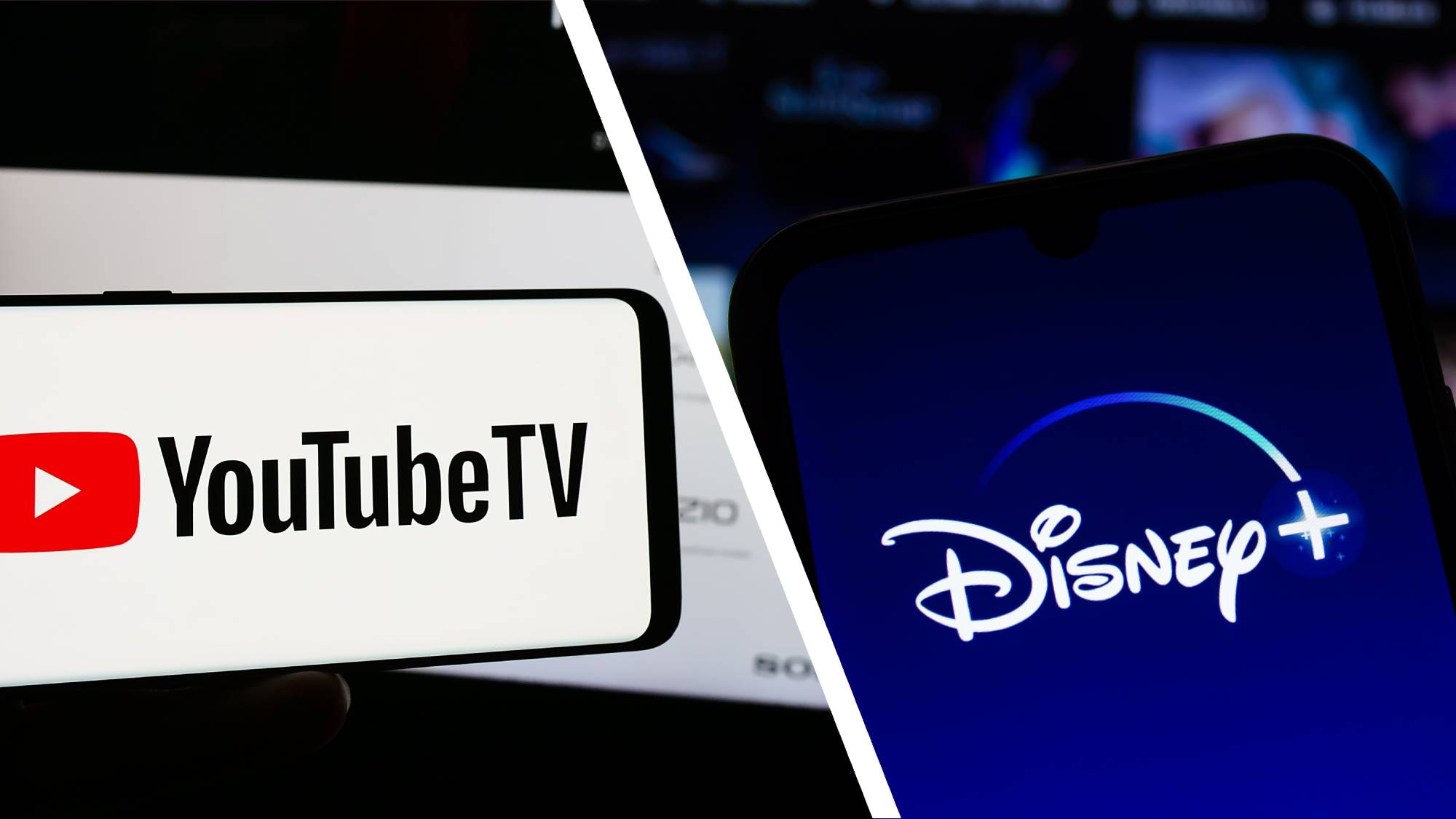
UPDATE: The escalating conflict between Disney and YouTube TV has intensified, now labeled an antitrust issue by Sinclair CEO Chris Ripley. This standoff is directly impacting local ABC stations, leading to significant financial losses and prompting an FCC investigation into potentially harmful practices.
During a recent earnings call, Ripley disclosed that Sinclair has already suffered a staggering $1 million loss since the dispute began. He emphasized that this ongoing struggle between Disney and Google over YouTube TV carriage rights is detrimental to both local journalism and viewers. With the blackout of Disney-owned channels—including ESPN, the Disney Channel, and Nat Geo Wild—10 million YouTube TV subscribers are now missing out on critical content, including major sports events and vital local news coverage.
This blackout, which surfaced last week, is leaving many viewers frustrated and scrambling for alternatives. In an effort to alleviate some of the pain, YouTube TV is offering affected customers a $60 credit. However, the question remains: how long will this situation last, and what will be the fallout for local broadcasters?
Ripley voiced strong concerns during the call, stating, “As local broadcasters, we have no say in whether our content will be distributed to local viewers.” He criticized the current dynamics of over-the-top (OTT) streaming services, suggesting they undermine the intent of the Telecommunications Act of 1996. “Consumers are now being forced to buy more streaming services from one of the parties in the dispute to get the content that they literally already paid for,” he added, highlighting the unfair burden placed on loyal YouTube TV subscribers.
The stakes are high as local broadcasters like Sinclair await a resolution. Although it may take time for Disney and Google to reach an agreement, Ripley has already taken steps to address the situation. He has engaged with the FCC, which has launched an investigation into the practices that are harming local stations and viewers alike. “We call on Congress, the FCC, and antitrust regulators to further review this and stop the harm to local broadcasters and local viewers,” Ripley concluded.
As the situation develops, viewers are left in limbo, unsure of when they will regain access to their favorite channels. The impact is felt not just in lost programming, but in the potential erosion of local journalism, which relies heavily on these broadcasts for revenue and viewer engagement.
Stay tuned for updates as this story unfolds, and be prepared for potential shifts in the landscape of streaming services and local broadcasting. This conflict could reshape how viewers access content in the coming days.
For more breaking news and updates, follow us on Google News and stay informed on this urgent issue.