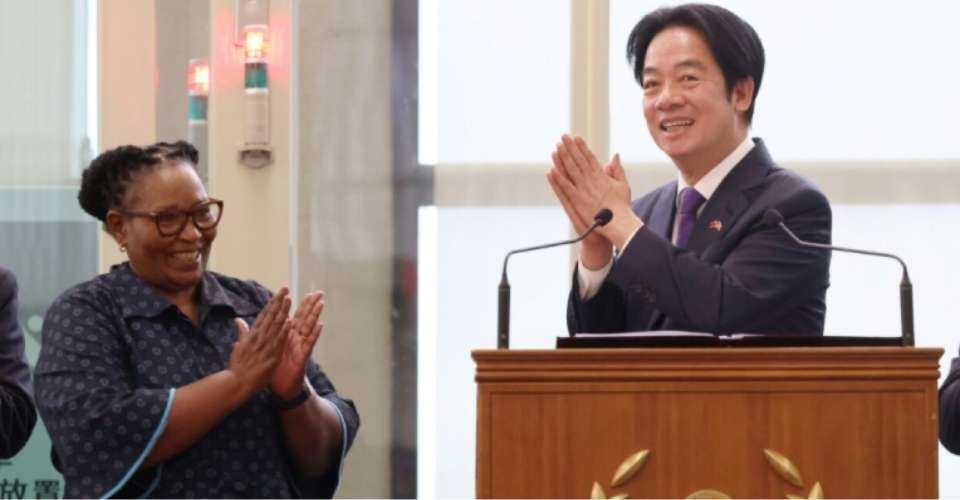
Taiwan President Lai Ching-te returned from a high-profile visit to Eswatini on May 5, boldly asserting Taiwan’s right to maintain global diplomatic relations despite intense pressure from China to sabotage his trip. Lai condemned Beijing’s efforts as hostile and vowed Taiwan will not back down from international engagement.
Lai’s carefully planned visit to Eswatini, Taiwan’s only African ally, faced significant hurdles after China reportedly pressured Seychelles, Mauritius, and Madagascar to revoke overflight permits, delaying the trip originally scheduled for April 22-26. Taiwanese officials claimed China threatened economic sanctions and withdrew debt relief to force the cancellations.
“Taiwanese people have the right to engage with the world,” Lai declared upon landing back in Taipei on the Eswatini king’s plane. Accompanied by Eswatini Deputy Prime Minister Thulisile Dladla, who visited Taiwan with him, Lai emphasized that visits between heads of state are “a basic right of every country.”
China’s Backlash and US Support
This diplomatic standoff has attracted sharp international attention, with the United States condemning China’s actions as an “intimidation campaign” aimed at isolating Taiwan. Beijing dismissed these claims, with China’s foreign minister calling Lai’s journey a “stowaway-style escape farce” and labeling him an “international laughing stock.”
China’s aggressive tactics highlight its ongoing campaign to isolate Taiwan globally by coercing nations to break diplomatic ties with the self-governed island. Taiwan, which China considers a renegade province, is barred by Beijing from participating in many international organizations and formal exchanges.
Significance for Taiwan’s International Standing
Eswatini’s continued recognition as one of only 12 countries still formally allied with Taiwan reflects the island’s shrinking diplomatic footprint under China’s relentless pressure. The visit marked the 40th anniversary of King Mswati III‘s accession and his 58th birthday, underscoring the unique bond Taiwan maintains with its African partner.
Taiwan’s Foreign Minister Lin Chia-lung had to step in for Lai during the delayed April trip, but Lai’s successful May visit underscores resilience in Taiwan’s diplomacy amid Chinese threats.
Broader Implications and Next Steps
Lai’s trip signals Taipei’s determination to defy Beijing’s blockade and sustain global connections, a message with broad implications for international relations amid growing US-China tensions. Taiwan’s willingness to confront economic and political retaliation from China emphasizes the island’s commitment to sovereignty and global presence.
The US response also signals Washington’s continued support for Taiwan, reinforcing the island’s strategic importance in the Indo-Pacific and beyond. Observers will closely watch if China escalates economic sanctions against African nations aiding Taiwan’s diplomatic outreach.
As China escalates efforts to restrict Taiwan’s access to global platforms, developments like Lai’s Africa trip remain critical indicators of Taiwan’s ability to navigate geopolitical pressures while seeking stronger international ties.