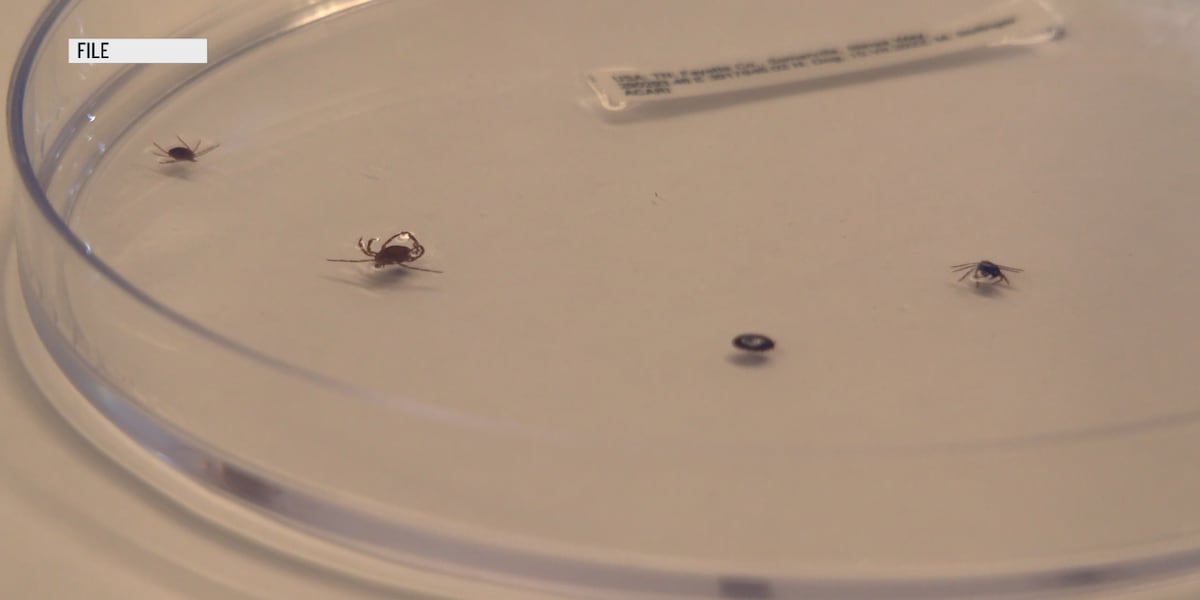
Tick Season in Arkansas Drives Sharp Increase in Alpha-Gal Syndrome
Ticks are emerging in Arkansas as outdoor activity rises this spring, bringing an alarming surge in the little-known but potentially serious Alpha-Gal Syndrome, doctors warn.
Dr. Shane Speights, Dean at the New York Institute of Technology at Arkansas State, emphasized that ticks, including dog ticks, deer ticks, Gulf Coast ticks, and Lone Star ticks, are widespread across Arkansas. The Lone Star tick, in particular, is responsible for transmitting a sugar molecule that triggers Alpha-Gal Syndrome—an allergic reaction to red meat that can cause violent illness even after consuming small amounts of steak or hamburger.
The Arkansas Department of Health reports a dramatic rise in confirmed or probable Alpha-Gal Syndrome cases, from 70 in 2023 to an alarming 344 in 2026. This trend marks a growing public health concern linked to tick bites throughout the region.
What Is Alpha-Gal Syndrome and Why It Matters
Alpha-Gal Syndrome causes severe allergic reactions to red meat that can last years, impacting quality of life and dietary choices for those affected. Symptoms following a tick bite include fever, chills, body aches, pain, and rash, with reactions typically delayed after eating red meat.
Speights explained,
“It can last for a long, long time. And it can be a violent response in terms of eating, you know, just a little bit of steak or a hamburger. You can get violently ill.”
Immediate Medical Response and Prevention Tips
If a tick remains attached for more than 36 hours, doctors urge immediate medical attention and prompt antibiotic treatment to prevent serious infection. Prompt removal is critical to reduce the risk of tickborne illnesses such as Rocky Mountain spotted fever and Lyme disease.
Speights advised careful tick removal by lifting the tick gently with tweezers to avoid leaving mouthparts embedded, which can cause secondary infection. He highlighted prevention strategies including wearing light-colored clothing, pants tucked into high socks, and boots when venturing into high-risk tick environments such as dense woods and riparian areas like the Spring River.
Outdoors lovers should avoid tall grass and shower within two hours of returning inside to wash off any lingering ticks, minimizing exposure risk.
Why Alaskans and the Rest of the US Should Pay Attention
While this surge is currently focused in Arkansas, Lone Star ticks and other hard ticks are expanding their range nationally due to climate and habitat changes, posing a growing nationwide threat. Awareness of Alpha-Gal Syndrome’s connection to tick bites is crucial for timely diagnosis and management across the United States.
Health providers in Alaska and other states are advised to stay vigilant for rising tickborne disease cases this season, especially atypical allergic responses linked to red meat consumption post tick exposure.
What’s Next?
Authorities continue monitoring tick populations and Alpha-Gal Syndrome cases closely as outdoor activity peaks. Residents in tick-prone regions should take all precautions seriously and seek medical help swiftly if symptoms develop after a known tick bite.
For now, enjoying the outdoors safely means respecting the hidden dangers of ticks and taking immediate action to protect yourself and your loved ones from potentially severe health impacts.
The latest data from Arkansas signals an urgent call to action for everyone heading outside in tick-heavy areas this spring and summer.