Colorado Moves Quickly to Strengthen Capitol Security Amid Rising Political Violence
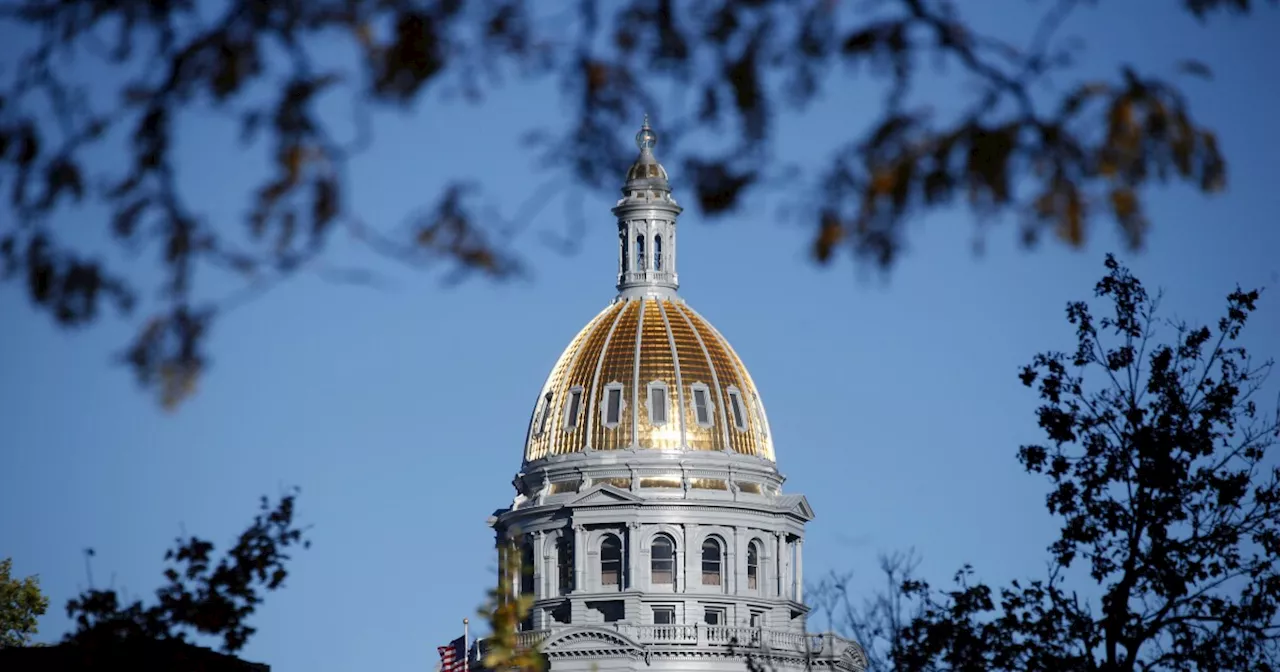
Colorado lawmakers are advancing urgent new security measures to protect the state Capitol and elected officials following a nationwide surge in political violence. The developments come days after the third reported assassination attempt against former President Donald Trump, amplifying concerns over the safety of political figures across the country.
The proposed legislation, House Bill 26-1422, would overhaul security protocols for Colorado’s legislative and judicial branches, as well as the governor’s office. A key feature is the creation of a new role, the administrator of legislative safety, tasked with coordinating threats and serving as the primary safety liaison for lawmakers and staff.
New Administrator Role to Oversee Capitol Security
State Rep. Chad Clifford, a Democrat from Arapahoe County and the bill’s sponsor, described the administrator as “somebody known, trusted on the floor” who understands legislative operations while monitoring evolving security threats daily. The position will be filled by a certified peace officer who receives and reviews threats, ensuring rapid response.
Additionally, the bill renames the current chief security officer position as sergeant at arms and clarifies the Colorado State Patrol’s authority extends to overseeing security at the governor’s mansion.
Expanded Protections for Officials and Staff
The bill broadens the definition of “protected persons,” now including elected officials, their staff, and judicial employees. Under this expansion, these individuals can demand removal of personal information from the internet, with civil consequences if those requests are ignored — a critical move in an era of doxxing and targeted harassment.
The legislation also tightens online privacy by modifying political committee registration rules and easing disclosure requirements for candidates and public officials, aiming to balance transparency and security concerns.
Judicial Security and Courthouse Safety Reforms
Recognizing risks even inside court systems, the bill creates a courthouse security task force charged with recommending statewide safety standards. It mandates county sheriffs to log all individuals entering courthouses with firearms and extends criminal retaliation protections to judicial employees, not just judges.
Violence Against Political Figures Sparks Action Nationwide
Colorado’s push reflects a broader national response to alarming political violence incidents. Last year, Rep. Melissa Hortman, Minnesota’s top House Democrat, was assassinated, while conservative activist Charlie Kirk was fatally attacked at a Utah college.
Other shocks include an arson attack on Democratic Pennsylvania Gov. Josh Shapiro’s home, the election year assassination attempt on Donald Trump in Pennsylvania, and the brutal hammer attack on the husband of former House Speaker Nancy Pelosi at their California residence in 2022. These threats have heightened fears for elected officials’ safety nationwide, including in Alaska where political tensions are also intensifying.
What’s Next for Colorado’s Capitol Security?
Rep. Clifford expects the legislation to clear the Colorado General Assembly quickly given the urgency. As lawmakers prepare to pass HB 26-1422, attention will turn to implementation, including appointment of the new administrator and establishment of the courthouse task force.
The bill marks a significant expansion of Capitol security in Colorado and could serve as a blueprint for other states grappling with increased threats to public servants.
“This person’s day-in and day-out job would be to know those things,” Clifford said, “not so cop-like with people, but understands the legislation going through the building.”
National Warning for Political Security in 2026
The recent wave of violence signals a critical juncture for political security across the United States — a warning echoed from Denver to Juneau. Stronger protections for politicians and judicial workers are now considered essential to maintaining the integrity of governance and public safety.
As Congress and state legislatures watch developments closely, Colorado’s new steps may prove pivotal in shaping a safer political environment nationwide.