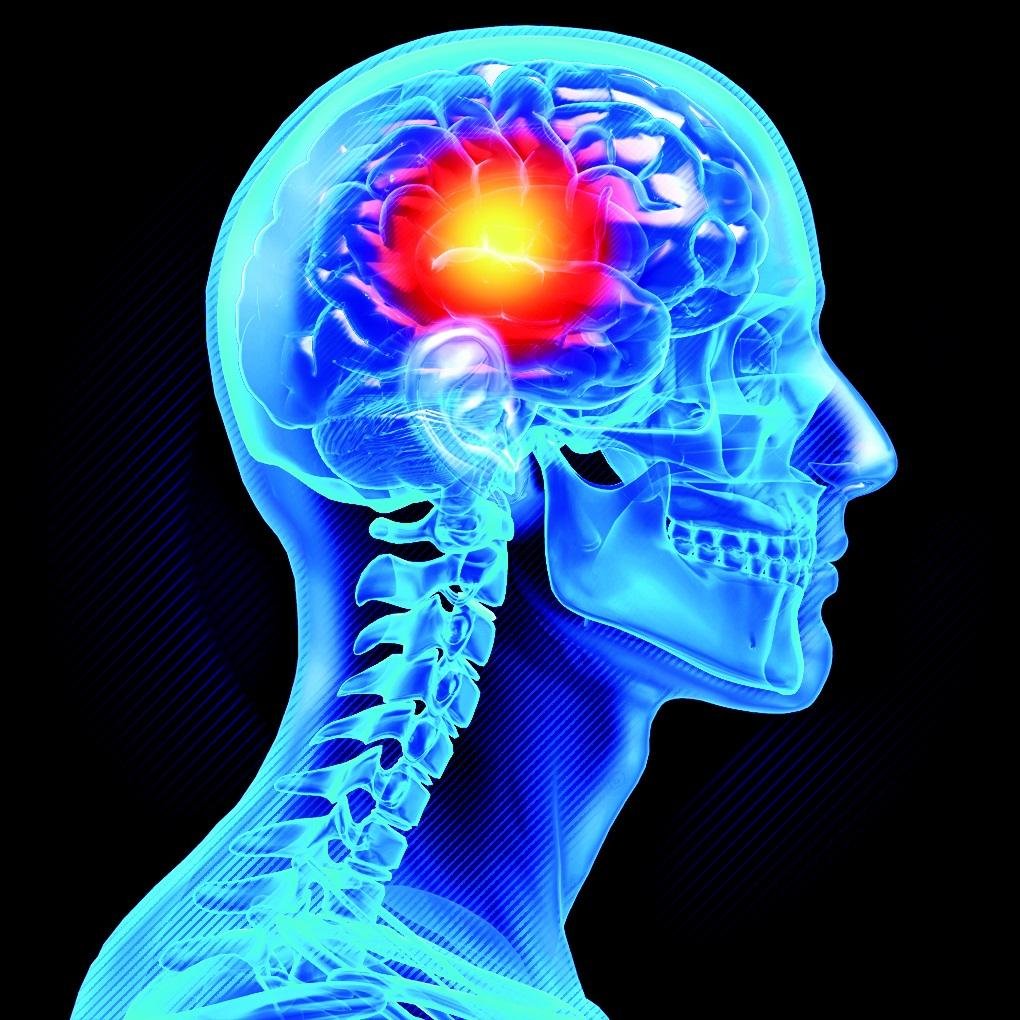
Mental health and invisible chronic conditions are creating a silent crisis across the United States, leaving millions without recognition or support as they battle illnesses unseen by the naked eye. Despite the profound impact these conditions have on daily life, many suffer in isolation, facing misunderstanding and skepticism from those around them.
Invisible illnesses like depression, anxiety, autoimmune disorders, and rare connective tissue diseases do not announce themselves, yet their toll is immense. Unlike a visible injury or disease, people living with these conditions show no obvious signs, making their struggles both physically and emotionally burdensome.
Physical Trauma vs. Invisible Suffering
Visible injuries like a Jones fracture or cancer treatments produce clear physical changes that generate sympathy and tangible help from communities.
A Jones fracture involves breaking the fifth metatarsal bone in the foot, often rendering a person immobile for up to 14 weeks, as was the case with one patient whose painful recovery required a wheelchair and knee scooter before normal movement was possible.
Similarly, cancer patients undergoing chemotherapy and radiation visibly lose weight, color, and energy, triggering concern and widespread support including meal trains, rides, and emotional comfort.
Invisible Conditions Trigger Misunderstanding and Isolation
Beyond these obvious challenges lie chronic illnesses like fibromyalgia, chronic fatigue syndrome, and Ehlers-Danlos Syndrome – a connective tissue disorder causing debilitating joint pain without external signs.
Family members witness this firsthand as muscles tire compensating for hypermobile joints, yet strangers see only someone who “looks fine.”
People with mental health conditions experience a similar invisibility. Severe depression, crippling anxiety, and obsessive suicidal thoughts remain hidden, leading to exhaustion that no outsider can detect or fully understand.
“When others can’t see your struggle, they expect you to act normal and get frustrated when you can’t,” a mental health advocate explained.
Social Reactions Highlight the Burden of Invisible Illness
Visible conditions often elicit active empathy – strangers offer rides, organize help, or provide meals. Invisible conditions rarely receive the same support.
A woman with a handicap parking permit who has an invisible condition reported being verbally attacked by motorists suspicious of her legitimate use of the space, showcasing the stigma and disbelief that often accompanies non-obvious disabilities.
Strategies for Navigating Invisible Health Battles
Experts urge those facing invisible conditions to seek validation through open communication. Support networks such as friends, family, faith groups, and support organizations play a crucial role. Saying, “I just need you to listen, not to fix” can help alleviate isolation and build empathy.
Self-advocacy is critical. Patients must clearly detail symptoms even if invisible to help healthcare providers understand their lived experience. Setting boundaries in social life, such as declining late-night plans due to exhaustion, protects fragile health and well-being.
Developing personalized coping toolboxes — including pacing activities, practicing mindfulness, or engaging in therapy — further equips individuals to live with invisible illness while educating others to build broader awareness.
Why This Matters for Alaska and the Nation
Alaska, like the rest of the country, faces a growing population living with invisible health challenges. Rural communities and remote regions where healthcare access is limited can intensify the isolation and difficulty of treatment.
Awareness and education campaigns tailored to Alaska’s unique cultural and geographic landscape are vital for increased understanding and accommodation. As mental health conditions and invisible diseases continue to impact millions, the social fabric of communities hinges on greater compassion and knowledge.
What’s Next
As this silent crisis expands, it is urgent that public health efforts, medical providers, and communities prioritize recognizing invisible illnesses in Alaska and nationwide. Empowering patients to speak up, educating the public, and building support systems are key steps toward breaking the stigma and reducing suffering.
For questions or support related to invisible health conditions, contact Shirley at [email protected].
The invisible battle rages on — society must see it to solve it.